By Brij Khandelwal
11th December, 2025 (Vrindavan Today News): India has never been held together by sword or statute alone. What truly bound this vast land, across centuries and kingdoms, is an invisible thread spun by its saint-poets: a living gospel of compassion, equality, and the oneness of all souls.
These were not monks in caves but singers in the streets, weavers at looms, cobblers at workbenches, women dancing in temple courtyards, turned the highest spiritual truths into the people’s daily tongue. Philosophy became song, scripture became lullaby, and the Divine walked barefoot among the poor.
The People’s Language of Love
Kabir, the weaver from Kashi, tore down every wall that pride builds:
“जाति-पाति पूछै नहिं कोई, हरि को भजै सो हरि का होई।
No one asks caste or lineage of the one who remembers God; whoever worships the Divine belongs to the Divine.”
For Kabir, the only untouchable thing was hypocrisy:
“बुरा जो देखन मैं चला, बुरा न मिलिया कोय।
जो दिल खोजा आपना, मुझसे बुरा न कोय॥
I went looking for evil in others, but found none as evil as the one I discovered in my own heart.”
Ravidas (Raidas), the cobbler-saint, declared the dignity of every human soul:
“प्रभु जी तुम चंदन हम पानी, ऐसी प्रीति जो प्रभु जी मानी।
O Lord, You are sandalwood, I am water; yet You accept my fragrance when I am close to You.”
And again:
“जाति-जाति में जात है, जो केतन के पात।
रैदास मनुष ना जुड़ सके, जब तक तक बरन-ब्राह्मण की जात॥
Caste upon caste is written on the leaves of the banana tree;
Ravidas says, a human being is not joined to another until the labels of Brahmin and outcaste are dropped.”
Meera abandoned palace and protocol for the Beloved Krishna, singing:
“पायो जी मैंने राम रतन धन पायो।
मेरा मन लागो हरि के संग, ना लागो राज-रंग।
I have found the diamond that is Rama; my heart is attached only to Hari, not to the colours of royalty or the chains of gender.”
Tukaram, the farmer-poet of Maharashtra, cut through every illusion of superiority:
“झाड झाडीत आहे झाड, आणि पान पानात परमेश्वर।
तुका म्हणे मी निर्धार, सर्व ठायी एकच सागर॥
Tree within tree, leaf within leaf dwells the Lord.
Tuka says with certainty: everywhere is the same ocean.”
And his unforgettable plea for empathy:
“वृक्षवल्ली आम्हा सोयरी वनचरे, पक्षी सुस्वरें गाती।
तुका म्हणे आम्ही तेची चि जीवन, दया करा सखे माझ्या॥
Trees and creepers are our kin, birds sing sweetly.
Tuka says: their life is our life; have compassion, O friend.”
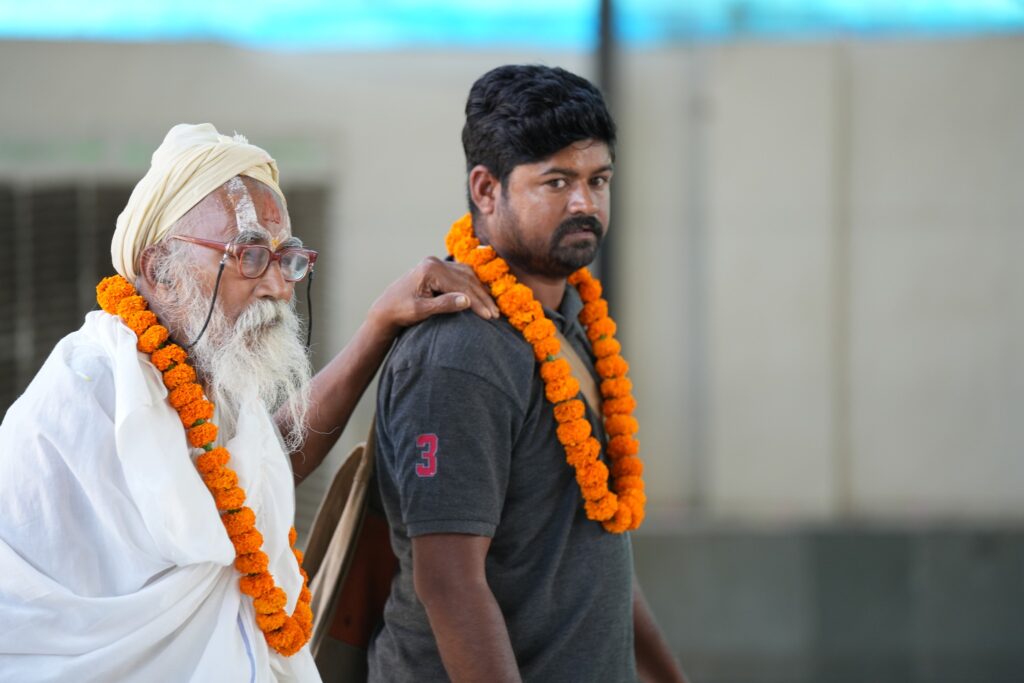
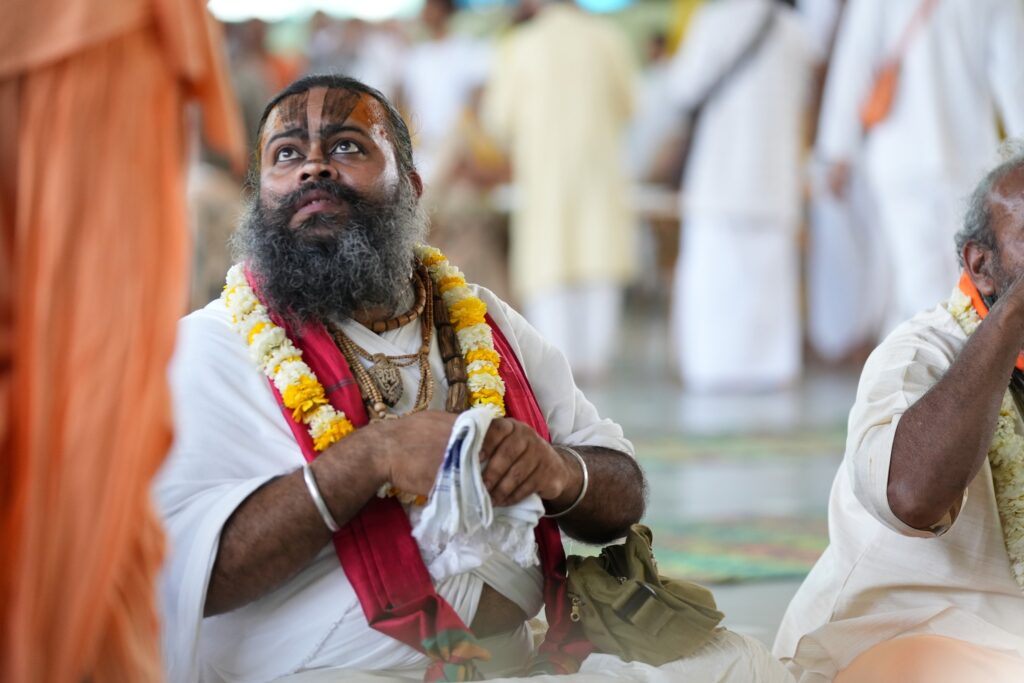
Narsinh Mehta’s Vaishnav Jan To, the song Mahatma Gandhi made India’s conscience, remains the perfect summary:
वैष्णव जन तो तेने कहिये, जे पीड पराई जाणे रे।
पर दुख्खे उपकार करे तोये, मन अभिमान न आणे रे॥
A true Vaishnava is one who feels the pain of others,
helps those in misery, and feels no pride in doing so.
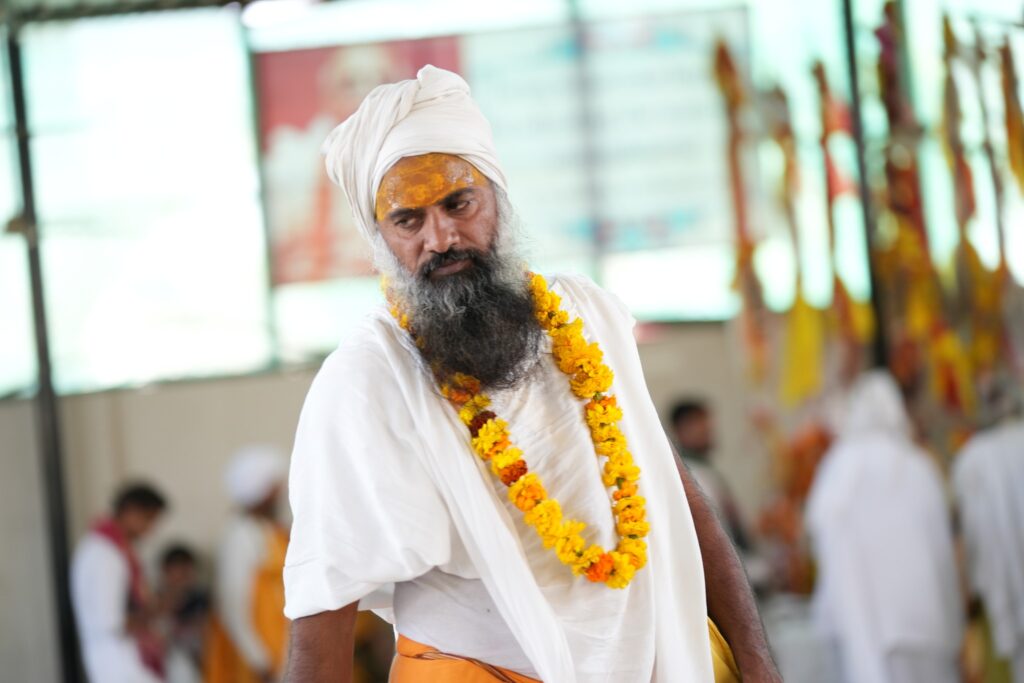
From the Tevaram hymns of Tamil Nadu to the abhangs of the Varkari pilgrims, from Jayadev’s ecstatic Gita Govinda to Chaitanya’s kirtan storms in Bengal, from Shankar Dev’s Borgeets in Assam to Guru Nanak’s luminous verses in Punjab, one message rang out in a hundred mother tongues:
“Nā koī Hindu, nā koī Musalmān — sabh sāīṁ ek hi jyot de pind.”
(There is neither Hindu nor Muslim — all bodies are made of the same Light.) — Guru Nanak
Streams That Became One River
The Alwars and Nayanars melted temple doors with tears of love. Dnyaneshwar wrote a commentary on the Gita at nineteen and declared, “The world is my family, the lowly are my gods.” Namdev carried his bhakti from Maharashtra to Punjab and back. Eknath fed the “untouchables” first and said, “If God lives in the temple, He also lives in the heart of the Mahar.”
This was never a movement of one region, caste, or language. It was India’s original social media — oral, melodic, unstoppable — spreading by foot, by song, by the irresistible power of lived compassion.
A Message the World Still Needs
Today, when walls rise faster than bridges, the saints whisper across centuries:
The only caste is the caste of humanity.
The only scripture is kindness.
The only prayer is to feel another’s pain as one’s own.
India, at its deepest, is not a map but a melody — the melody of Vaishnav Jan To. As long as even one voice still sings it in field or street, bus or train, the soul of this ancient land remains unbroken.
Because, as Kabir said:
“पोथी पढ़ि पढ़ि जग मुआ, पंडित भया न कोय।
ढाई आखर प्रेम के, पढ़े सो पंडित होय॥
The world died reading scriptures, yet no one became wise.
He alone is learned who can read the two-and-a-half letters of the word “Love”.”
That is the eternal thread. May we never let it go.