24th December, 2025 (Vrindavan Today News): Vrindavan, revered across the world as the eternal abode of Shri Krishna, is increasingly facing a painful contradiction between its spiritual identity and its present-day realities. Beneath the chants, festivals, and growing tourist footfall, a deep social, environmental, and moral crisis is unfolding; one that demands urgent attention.
What begins with small daily injustices reflects a much larger malaise. Local transport operators, such as e -rickshaw drivers, are often seen charging devotees—particularly the western devotees with double the usual fare. This selective exploitation symbolizes how devotion itself is being commercialized.
An unchecked race to open hotels has transformed Vrindavan into a congested construction zone. Festivals and religious events, once occasions of collective joy, have increasingly become opportunities for profiteering. Behind the closed doors of several hotels, allegations of immoral activities, including prostitution and alcoholism, directly contradict the sanctity of the holy town. The presence of liquor shops in and around sacred areas further deepens this contradiction.
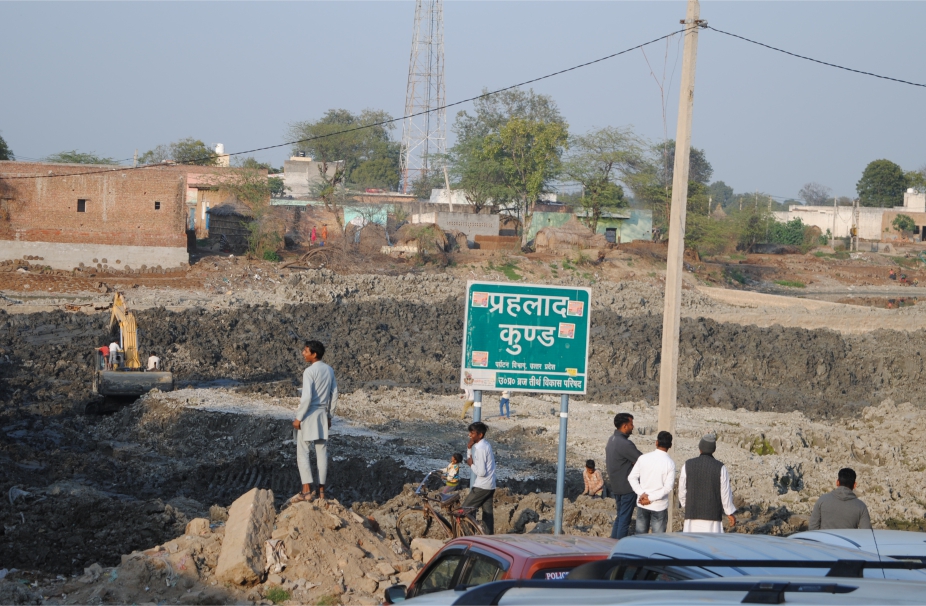
Land prices in the name of “Braj identity” have skyrocketed. Near the important places like Keli Kunj, Banke Bihari Temple and other heritage zones, demands for land and property have reached crores of rupees, often forcing genuine Brajwasis out of their ancestral spaces. High-rise buildings and concrete structures now dominate the skyline, eroding the traditional character of Vrindavan and nearby sacred sites like Barsana and the Braj Mandal hills. Development projects—road widening, hill modifications, and ropeway proposals—are being carried out in the name of progress, but many believe they are pushing the region toward irreversible ecological and cultural damage.
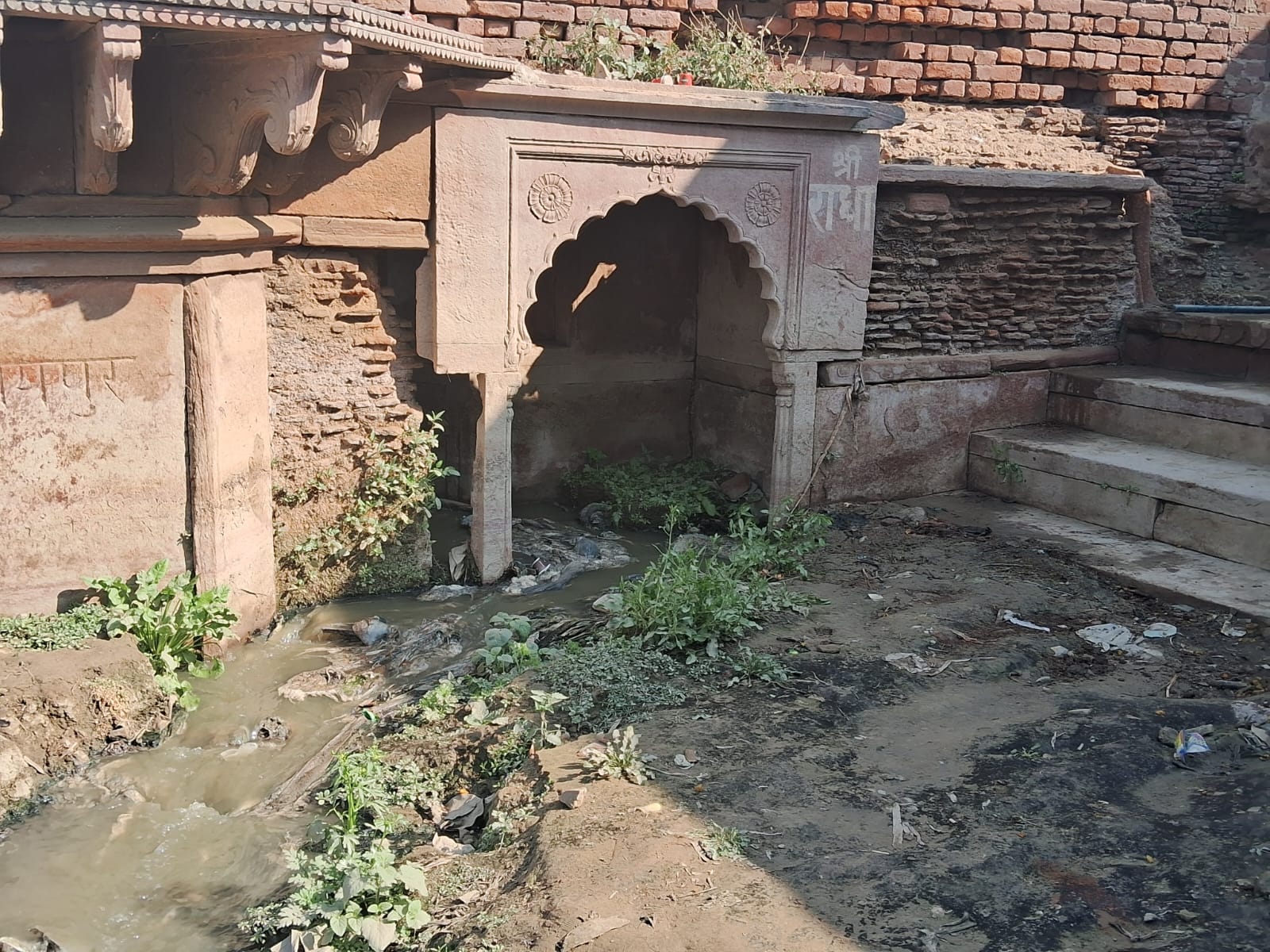
The condition of the Yamuna River, the lifeline of Braj, is worsening every day. Continuous pollution, untreated sewage, and ritual waste have turned the sacred river into a symbol of neglect rather than reverence.
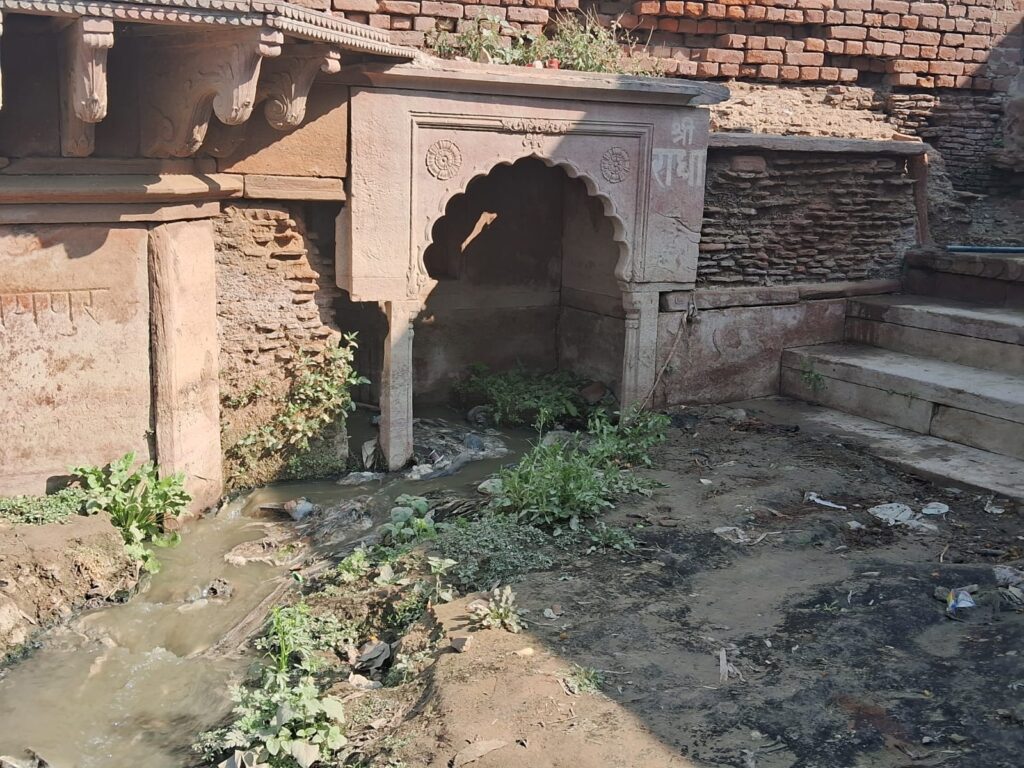
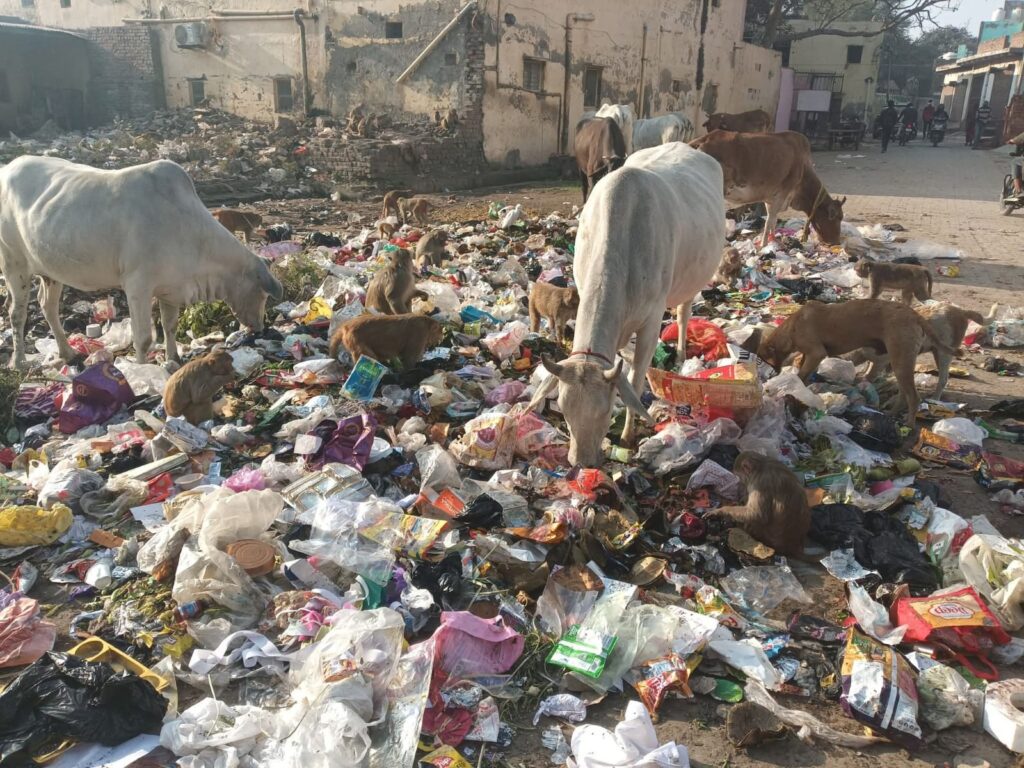
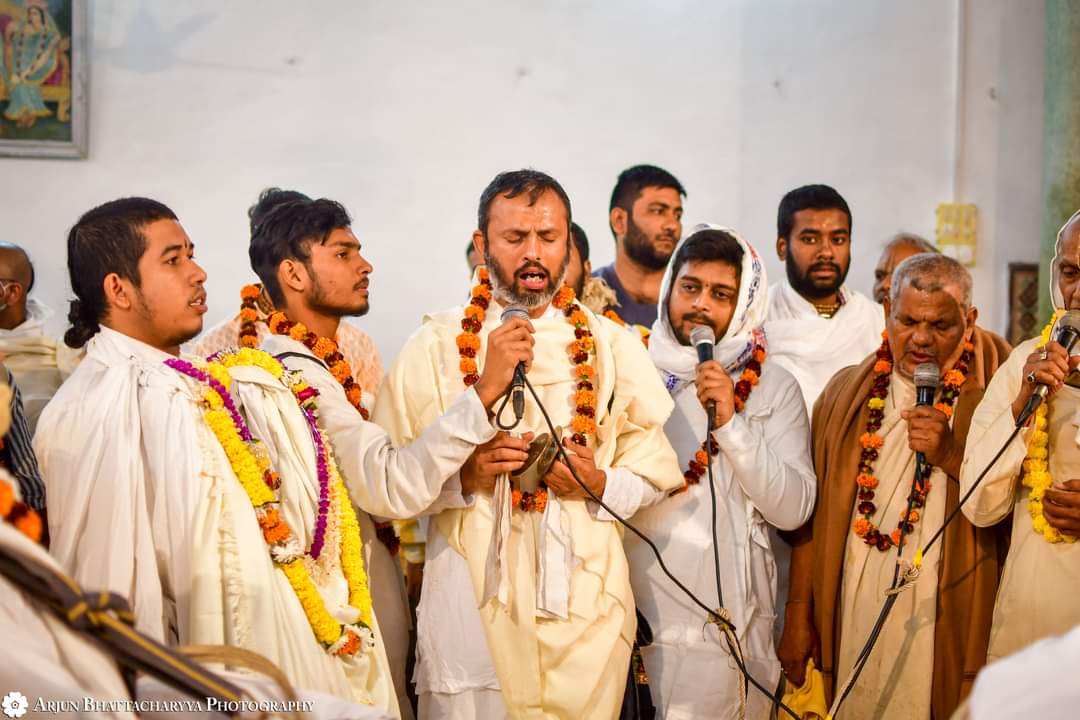
Equally alarming are allegations surrounding certain babas, ashrams, and trusts, where enormous sums of money are being collected in the name of donations, often without transparency. Critics claim that black money is accumulating under the shield of religion. Social activists have also raised concerns about rising moral decay, including crimes and exploitation carried out under religious garb.
Crime statistics paint an even darker picture. The area around Vrindavan has witnessed a troubling rise in cases of rape, assault, and other serious offenses—earning grim nicknames among locals. Meanwhile, ordinary Brajwasis continue to struggle with basic necessities such as electricity, clean water, and civic infrastructure.
Political representation has offered little relief. Residents allege that their elected representatives appear during temple festivities but remain absent when it comes to real development and governance. The irony is stark: on Sundays, even a funeral procession through the narrow lanes near Banke Bihari Temple, Radharaman and Nidhivan become nearly impossible due to overcrowding and mismanagement.
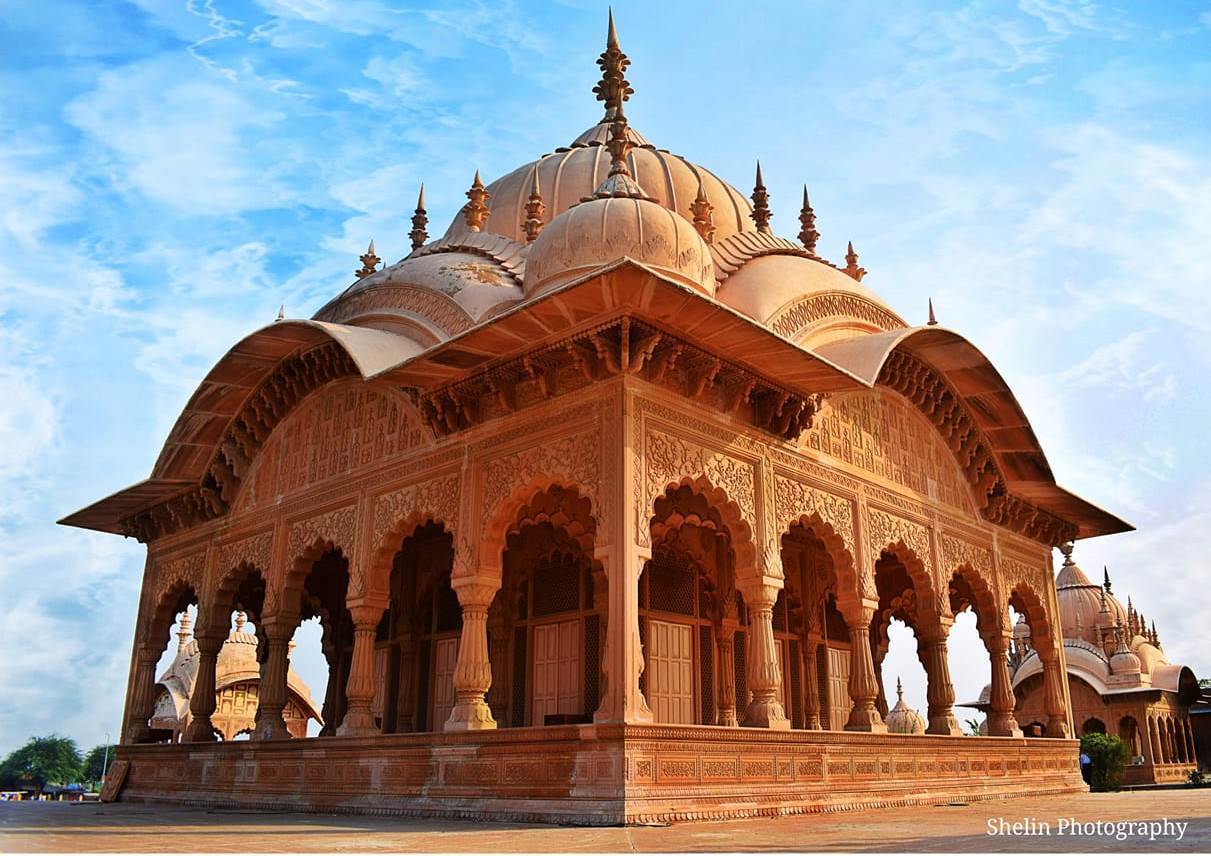
This is not the Vrindavan envisioned in scriptures or cherished by millions of devotees worldwide. A city that is the spiritual heart of India cannot be allowed to deteriorate into a hub of exploitation, pollution, and lawlessness.
Vrindavan deserves sensitive, value-based development—one that protects its ecology, preserves its spiritual heritage, safeguards its residents, and upholds moral and civic responsibility.
Such a situation should never define our beloved Vrindavan.