By Braj Khandelwal
2026.02.08 (Vrindavan Today News): Will India’s thousands of small rivers be left to lose their identity, buried under garbage, turned into sewers, or taken over by illegal settlements? This question is no longer just for environmentalists. It has become a question about the country’s future, its water security, and the survival of its civilization.
Today, the whole debate about river protection in India has shrunk to just a few big, famous rivers like the Ganga, Yamuna, and Brahmaputra. Plans, budgets, missions, and speeches focus only on these names. But what will happen to the thousands of small rivers, tributaries, and seasonal streams on which these big rivers depend? Are they doomed to die just because they cannot be part of “mega projects”?
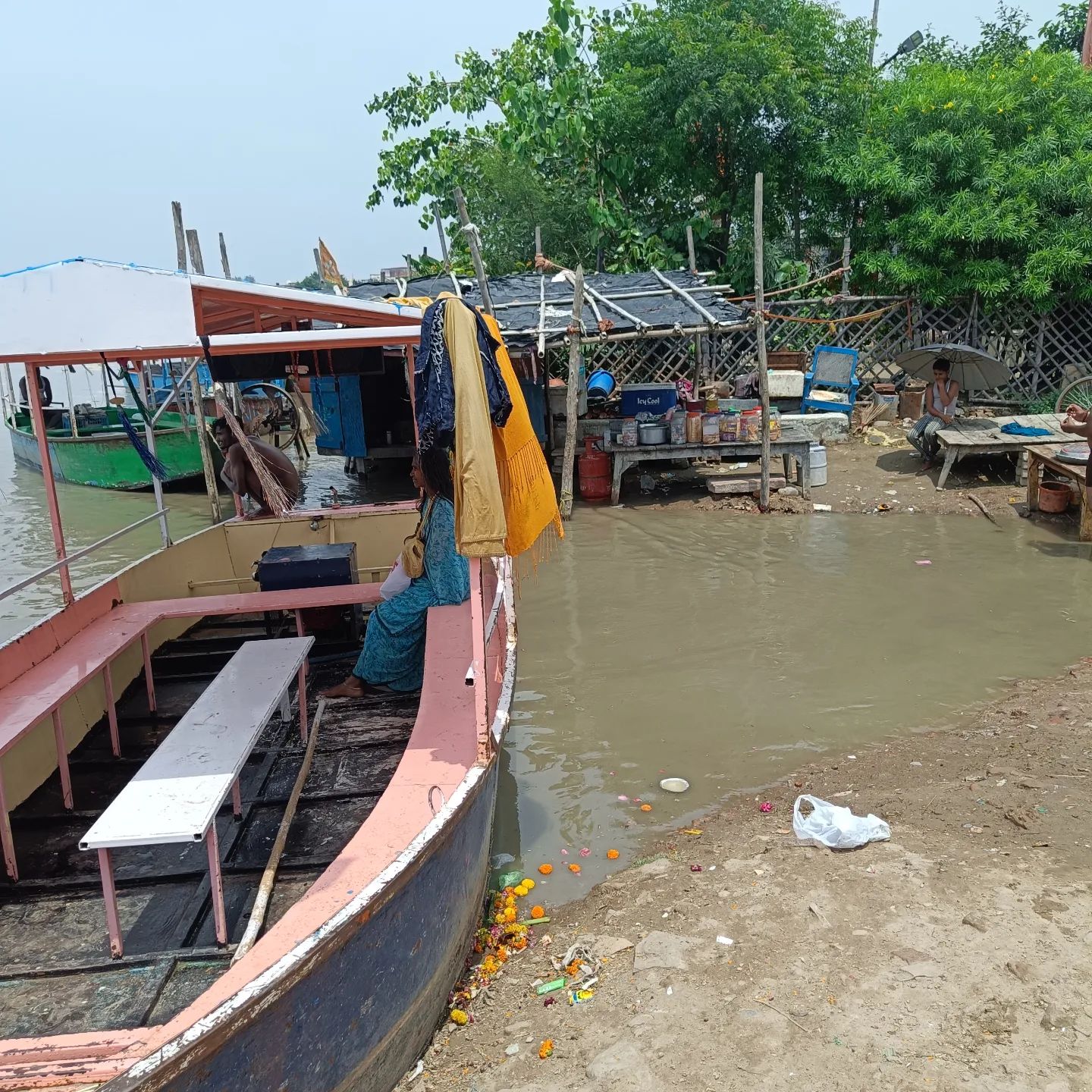
This is not just a picture or a news clipping. It is proof of the slow but planned killing of India’s small rivers. The ground reality is that the small rivers and streams that feed the big ones have either been taken over by illegal settlements or turned into drains for garbage and sewage. There is barely any water left, and almost no life.
Agra district is a clear example of this national failure. Six or seven small streams, including Utangan and Karbana, which are tributaries of the Yamuna, were once the lifeline of this region. Today, these rivers are turning into dry lines. In some places, solid waste is buried in their beds. In others, farms and illegal colonies have grown on their banks. And in some places, local bodies have simply labeled them as “drainage lines” and abandoned them. People have been demanding their revival for years, but the administration’s concern dies under the weight of files.
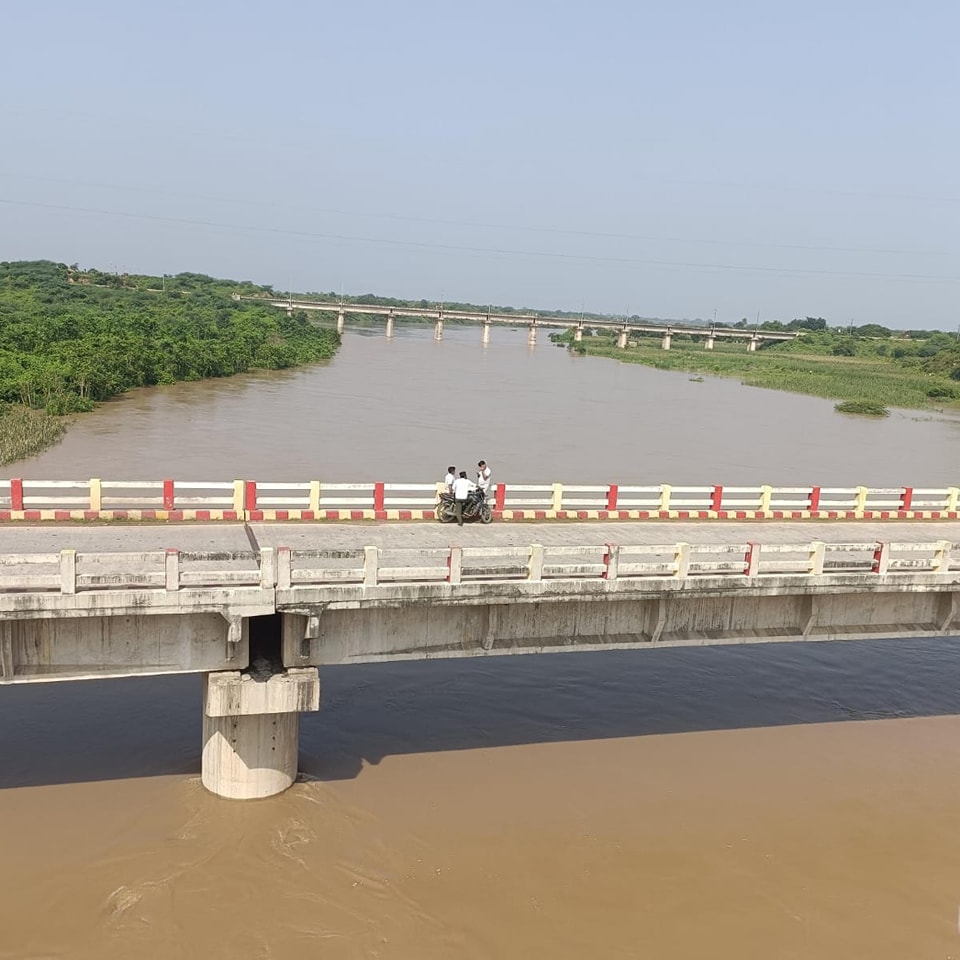
The irony is that nature gives us chances again and again, but we waste them every time. The heavy rains and floods in the Yamuna basin last August proved that these rivers can still come alive. Reports from Agra’s civil society group show that these streams, coming from Rajasthan’s hills, once kept the entire Braj region green. Irrigation structures like dams, canals, and moriyas (small outlets), built during the British era, were part of a well-organized water system. Today, they are ruins because governments after independence let them die.
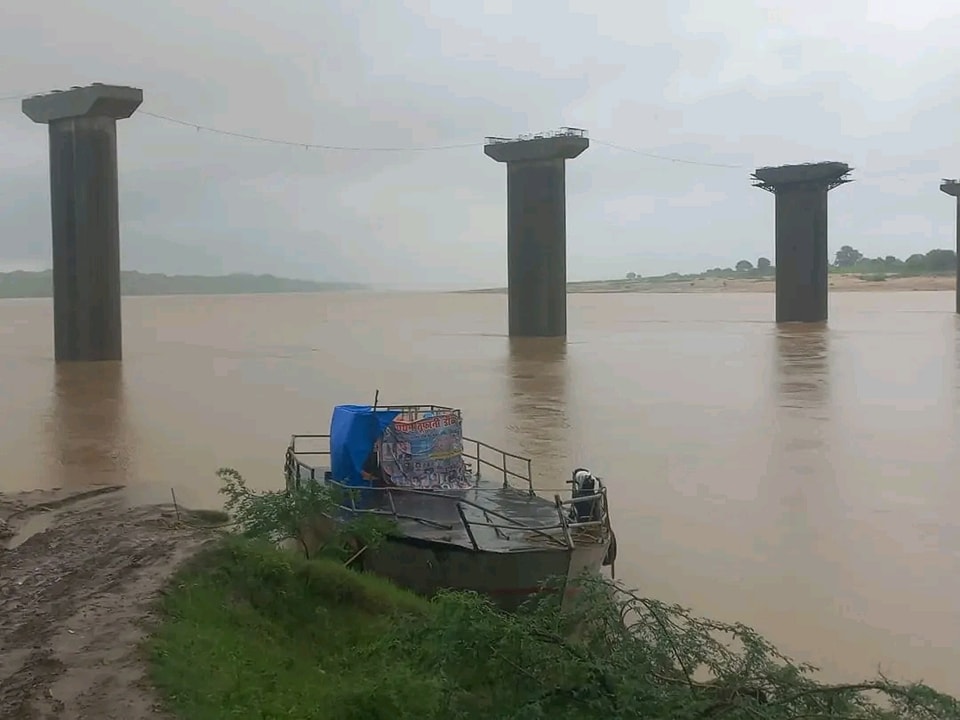
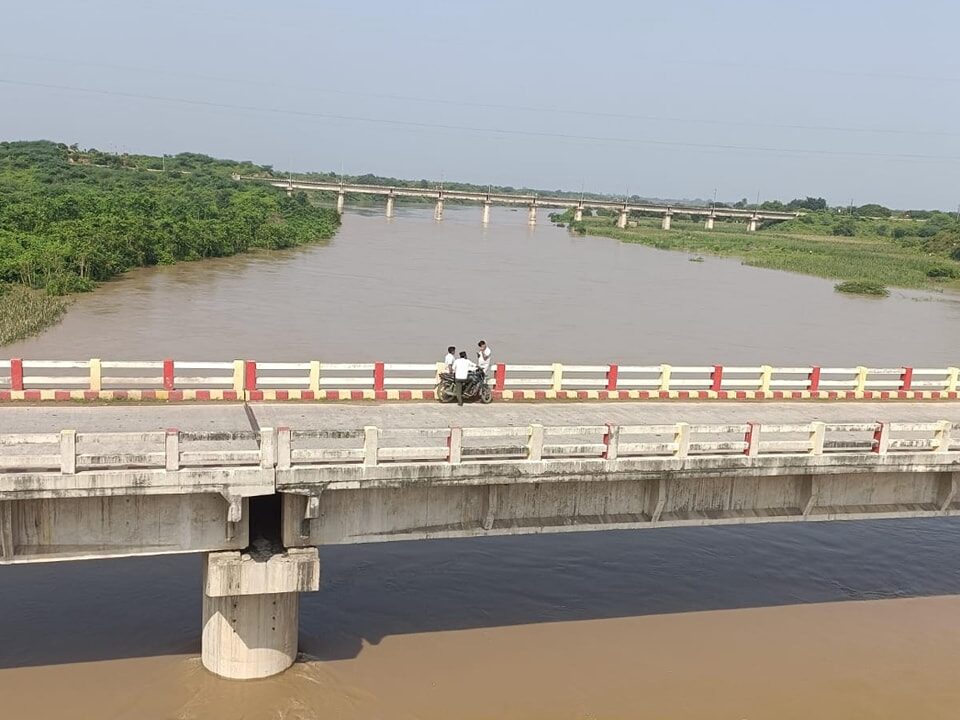
Activists from Agra’s Civil Society, like Rajiv Saxena, Aslam Salimi, and Anil Sharma, have not just complained. They have also suggested practical solutions. The proposal to build a two-way check dam near the Utangan-Yamuna meeting point (Rehavali, Fatehabad) is not just an idea. It is a demand based on experience. When the Yamuna rises or floods, water flows backward into the Utangan river for up to 20 kilometers, reaching about 13 feet deep. This happens at least four times during the monsoon. But there is no system to stop, save, and use this precious water.
If this water is saved, the benefits are huge. Groundwater can be recharged in an area of about 35 kilometers, irrigation can get a new life, and the drinking water crisis can be eased. Hundreds of hotels on Fatehabad Road and Tajganj, which are pumping out groundwater heavily today, could be given surface water. The thirst of towns like Fatehabad, Shamsabad, and Kiravali could be quenched. Religious places like Bateshwar could get water during festivals. But all these arguments, data, and proposals are not moving beyond paper.
Environmentalist Dr. Devashish Bhattacharya says, “The most worrying fact is that India still does not have a complete national river policy for small rivers. State governments are not ready to make them a priority. The responsibility for protection is divided among many departments, but no one is held accountable. The River Police once formed in Agra is nowhere to be seen today. It is not stopping illegal settlements, nor pollution.”
The River Connect Campaign believes that “rivers are not just water streams. They are part of our civilization, culture, myths, and collective memory. Turning them into drains is not just an environmental crime, but a cultural suicide. When small rivers die, big rivers also fall sick. Groundwater levels drop, both floods and droughts increase, and society moves towards imbalance.”
There is still time; but only if governments show the will, bring small rivers out from the margins of plans, and revive them by treating them as living systems. Otherwise, history will only write that we had the chance to save our rivers, and we let it wash away with our indifference.