- By Jagannath Poddar
2026.03.02 (Vrindavan Today News): India’s sacred cities are changing faster than at any time in their history. Roads are widening, riverfronts are being rebuilt, and urban infrastructure is expanding in the name of development. Yet an uncomfortable question persists: can modernization succeed if it erases the very heritage that gives these cities meaning?
Religious towns are not ordinary urban spaces. They are living cultural ecosystems shaped over centuries by ritual, architecture, ecology, pilgrimage routes, and community traditions. Planning their future requires far more than engineering efficiency; it demands cultural sensitivity, artistic vision, and spiritual understanding.
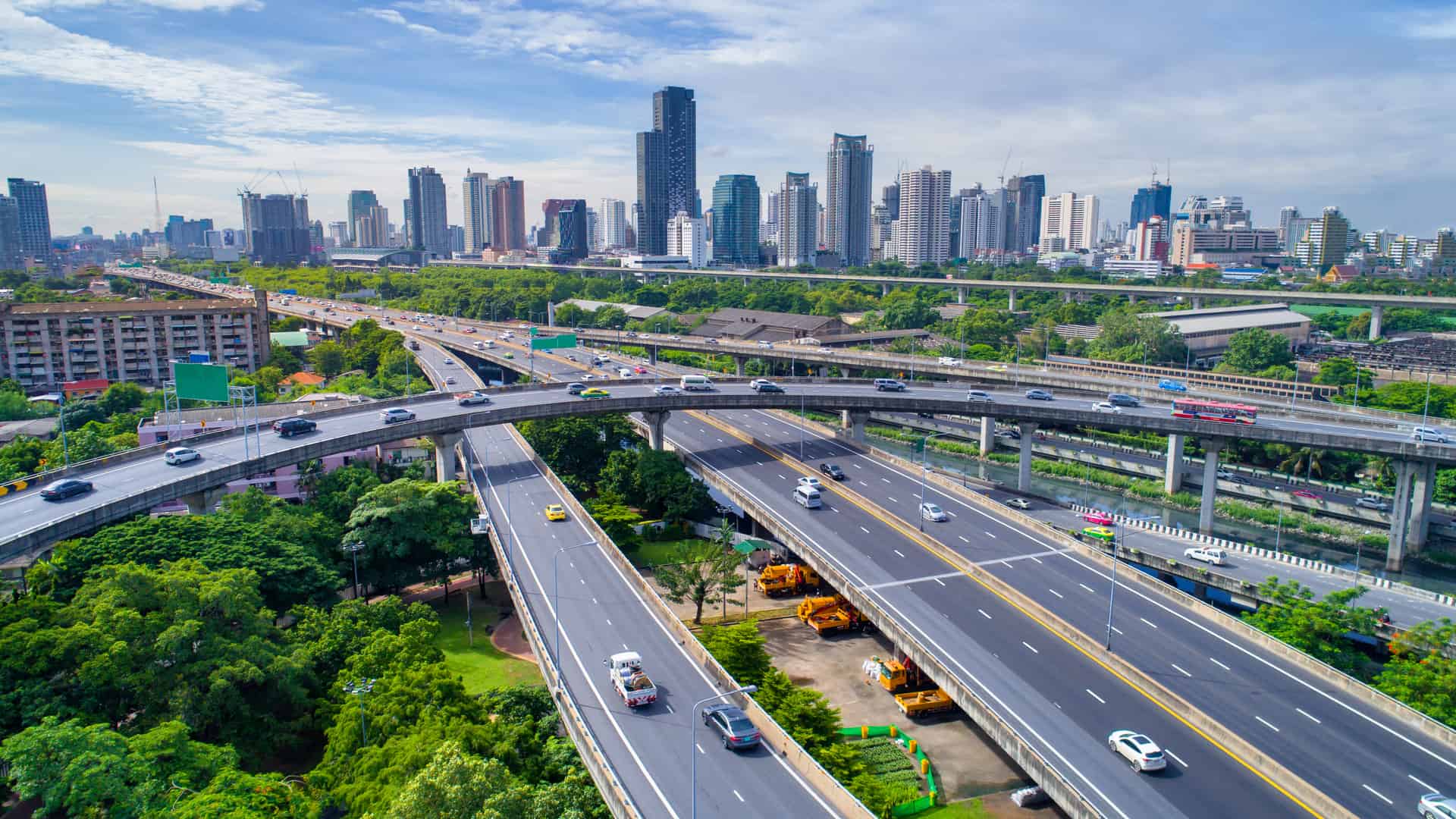
Unfortunately, urban development in many heritage cities continues to follow a conventional infrastructure mindset. Administrative systems proficient in constructing roads, drains, and flyovers often lack the interdisciplinary approach needed for conservation-led development. The outcome is increasingly visible with standardized construction replacing distinctive architectural identity.
Modernisation is necessary. Growing populations require housing, sanitation, markets, and mobility. But development that destroys identity cannot be called progress. Buildings may be modern internally, yet their external character must reflect the architectural language and historical continuity of the region.
Countries such as Bhutan offer an instructive example, where even contemporary structures must conform to traditional cultural aesthetics. Such policies ensure that growth strengthens heritage rather than displacing it.
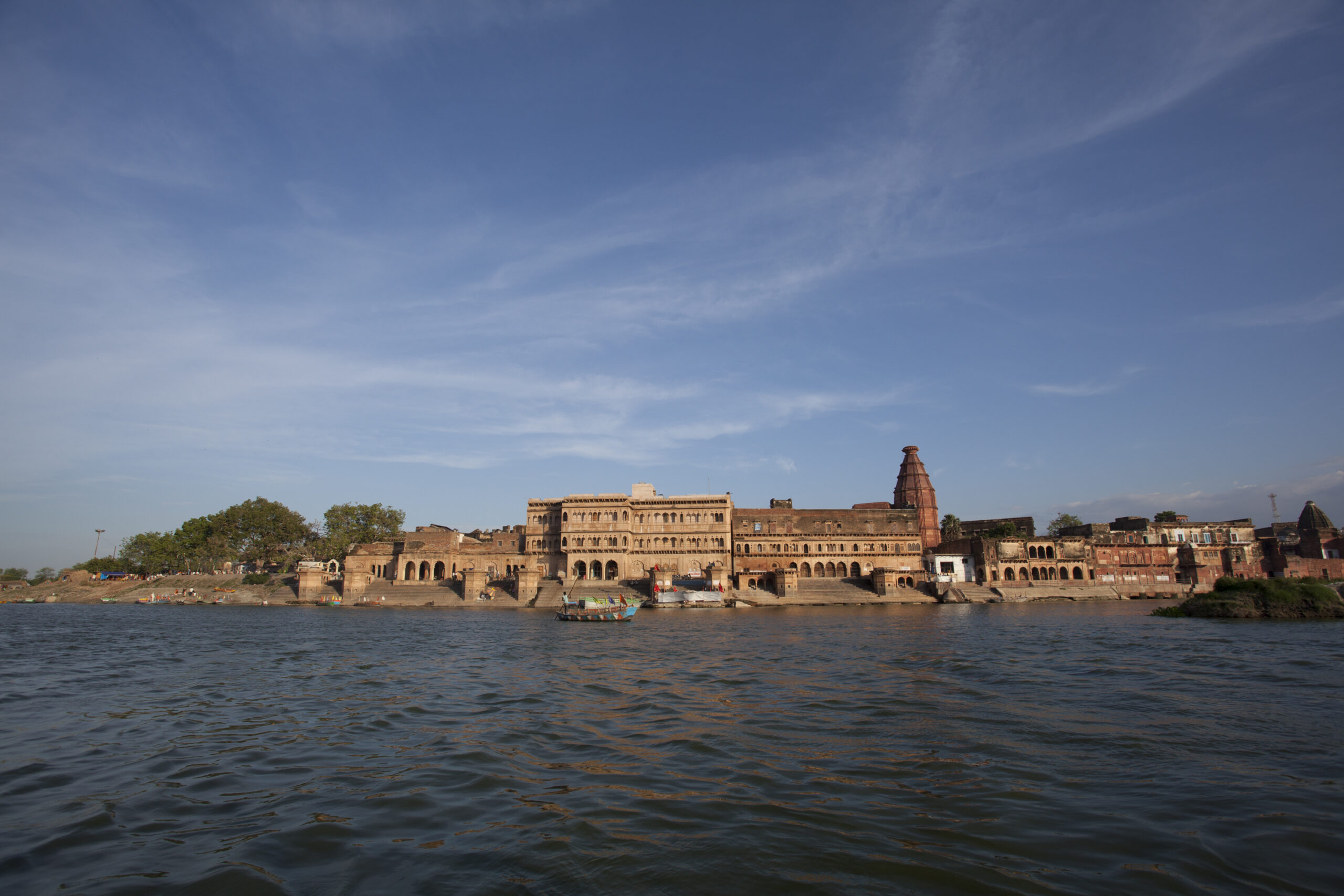
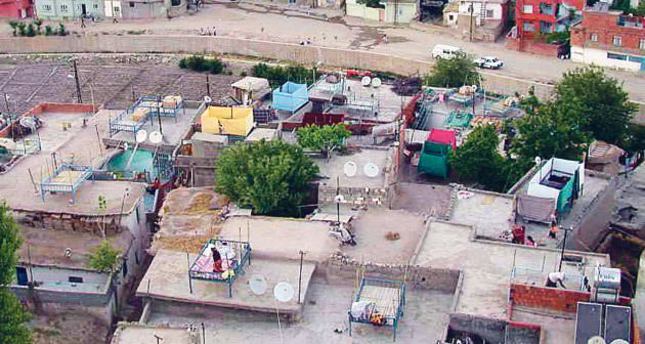
The consequences of ignoring this balance are starkly visible in Braj, especially in Vrindavan — one of India’s most revered pilgrimage landscapes. Over the past three decades, unregulated construction and commercial expansion have transformed its skyline. High-rise apartments and dense concrete corridors increasingly overshadow temples, sacred groves, and historic pathways that once defined Vrindavan’s spiritual atmosphere.
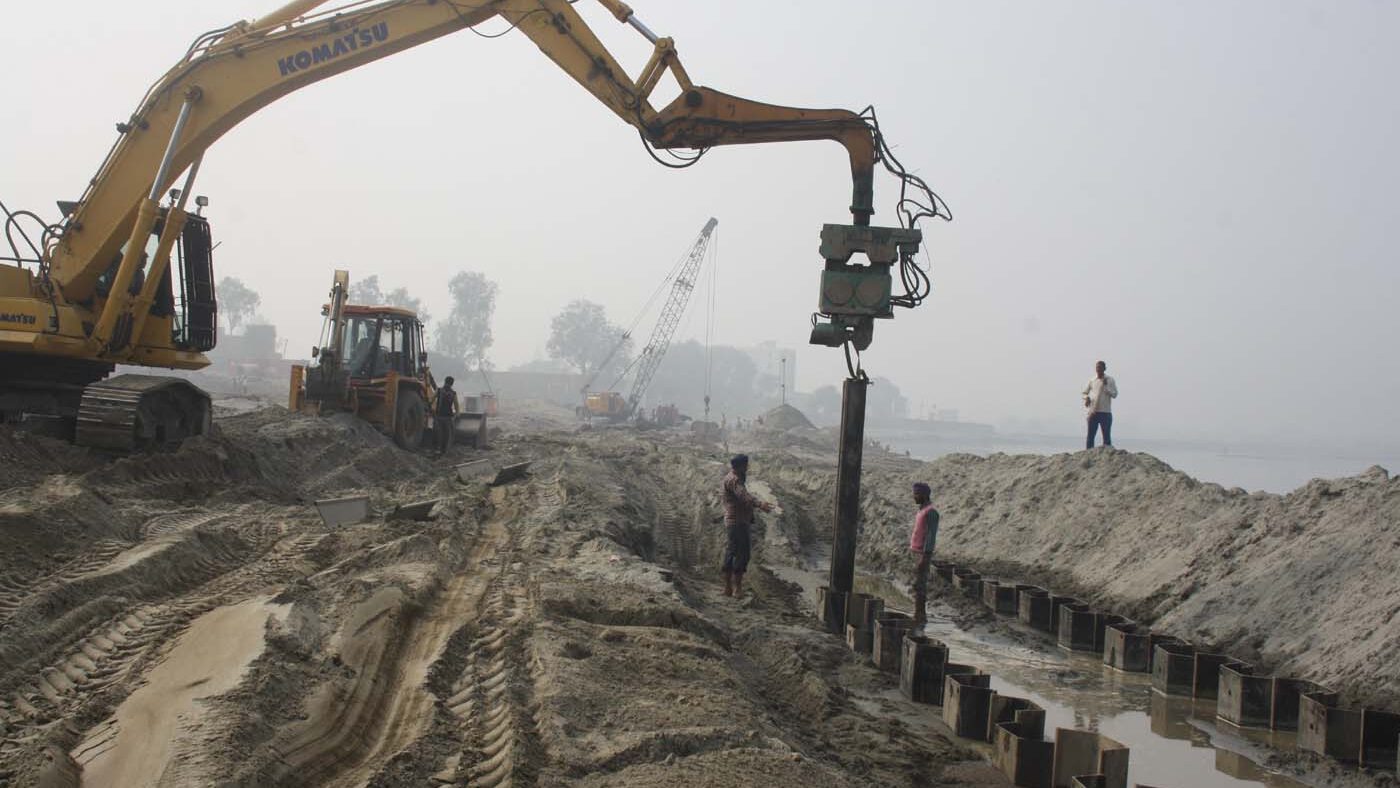
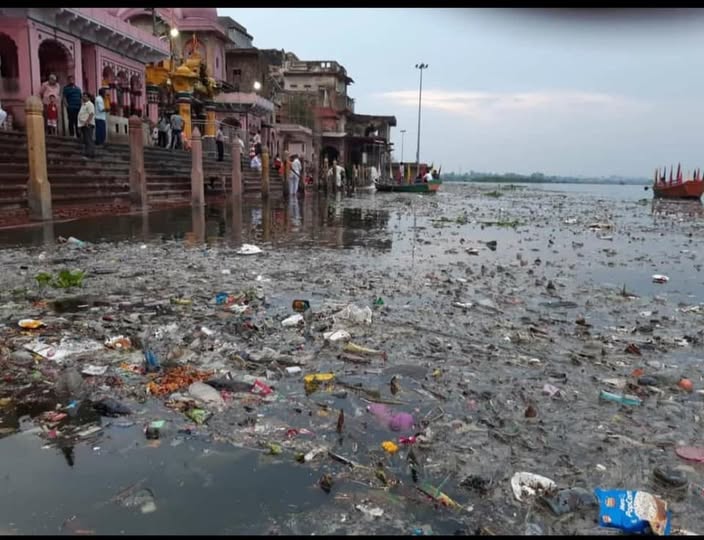
The ecological dimension of this crisis is equally alarming. The Yamuna River, the spiritual lifeline of Braj, now suffers from severe pollution caused by untreated sewage and unchecked urban pressure. Development that prioritizes visible infrastructure while neglecting ecological restoration ultimately undermines pilgrimage itself.
Simultaneously, traditional pasture lands, locally known as gauchar bhumi, integral to Braj’s pastoral culture, are rapidly disappearing under real estate expansion. These commons once sustained cattle, village economies, and Krishna’s living pastoral legacy. Their loss represents not only environmental degradation but cultural amnesia.
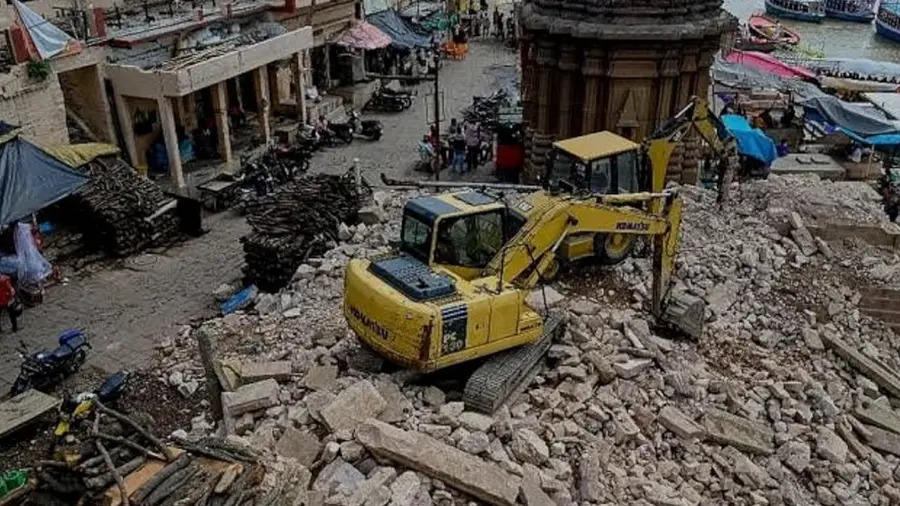
The dangers of insensitive redevelopment are not confined to Braj. The recent controversy surrounding Manikarnika Ghat in Varanasi demonstrates how redevelopment efforts can provoke conflict when heritage concerns are sidelined. Similar tensions are emerging across sacred cities.
In Vrindavan, several historic architectural ghats, once central to ritual bathing and riverfront traditions, now lie buried beneath rubble and construction debris. Roads and embankments built in the name of facilitating parikrama have been constructed directly over these ancient structures. While intended to ease pilgrim movement, such interventions obstruct the Yamuna’s natural flow toward its native ghats, severing the organic relationship between river, architecture, and ritual that defined the sacred geography for centuries.
Behind many of these failures lies a deeper structural problem. Corruption is operating at two levels i.e corruption of implementation and corruption of design. While construction irregularities are widely acknowledged, flawed planning itself poses a greater danger. When development projects are conceived without historians, conservation architects, ecologists, or cultural practitioners, planning becomes contract-driven rather than knowledge-driven.

Over the past three decades, religious regions across India have undergone irreversible transformation, yet policymaking continues largely unchanged.
If pilgrimage development is truly a national priority, India urgently needs a clear, non-political policy framework for sacred cities. National and regional consultations must include independent experts with proven experience, not merely administrative or political representatives.
Heritage preservation must remain above partisan politics. Civilisational sites outlive governments, and policies shaped without expertise risk permanent cultural loss.
Ancient heritage belongs not to one religion or nation but to humanity itself. The global grief following the destruction of the Bamiyan Buddhas in Afghanistan in 2001 demonstrated how deeply the world values shared cultural memory.
India now faces a quieter but equally decisive moment. The challenge is not whether development should continue, but whether development will learn humility before history.
A civilization survives not by building faster, but by remembering what must never be buried.