By Brij Khandelwal
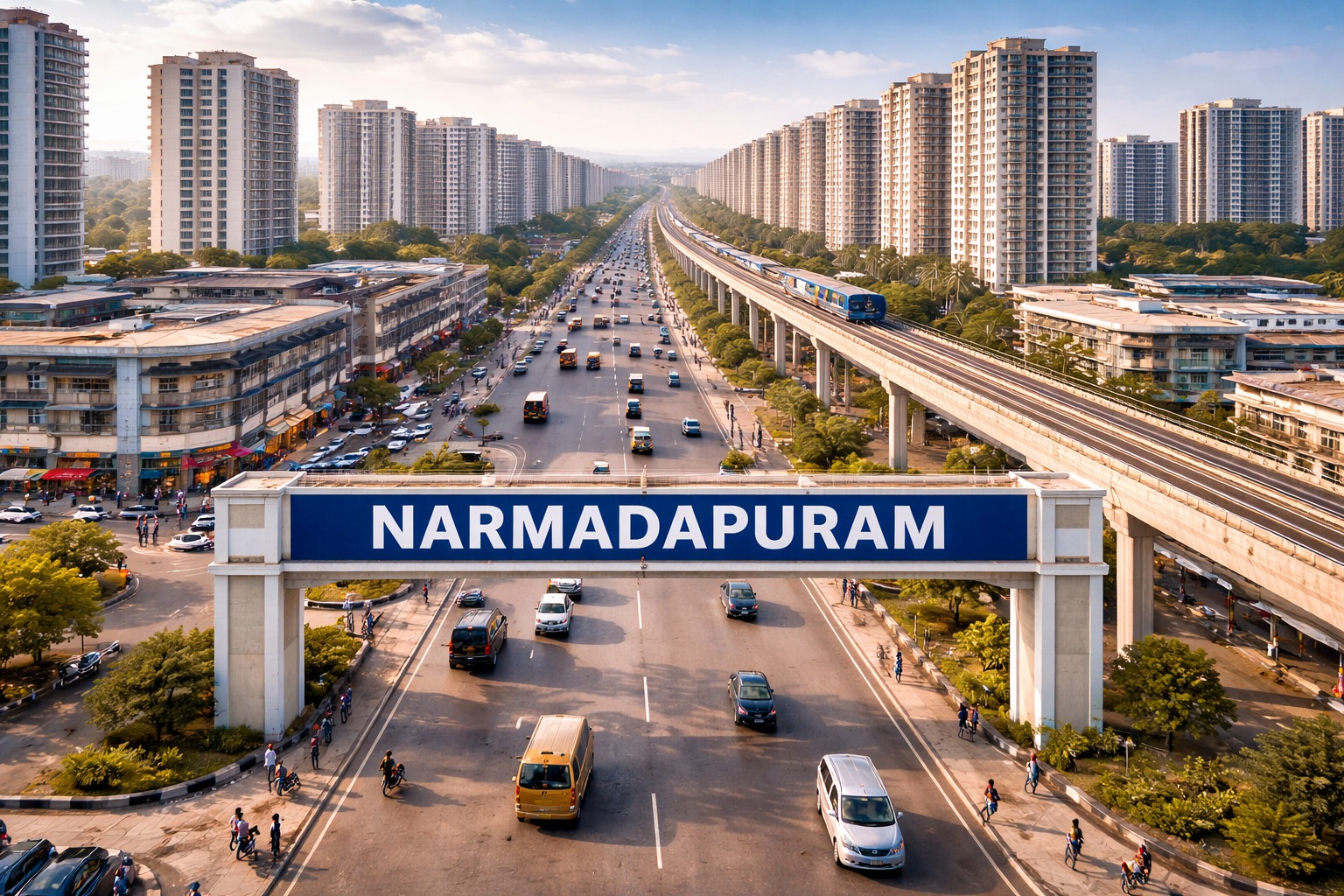
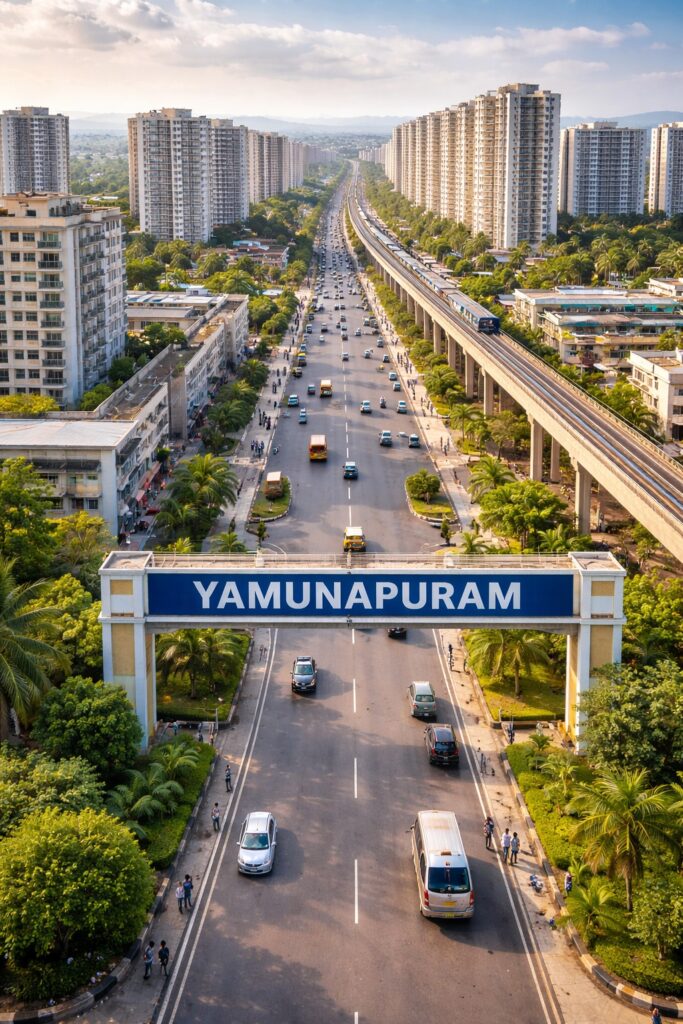
April 10, 2026, Agra: In the corridors of power and the glossy pages of real estate brochures, a “green dream” is being sold to the public. In Agra, ten grand townships are rising, their names; Sindhupuram, Gangapuram, Yamunapuram, invoking the sacred waters of India’s great rivers. To the casual observer, these names suggest a harmonious coexistence with nature, a tribute to the lifelines of our civilization. On paper, maps shine with promised greenery, and speeches soar with the rhetoric of progress.
But a few miles away, the reality is starkly different. The Yamuna, the theological and ecological heart of the Braj Mandal, is not being revived; it is being exploited as a brand. While thousands are sold the dream of a riverside life, the river itself remains a stagnant, black ribbon of industrial and human waste. This is the tragedy of modern Indian environmentalism: the substitution of branding for action, and the belief that a river can be saved through nomenclature rather than ecological restoration. The Yamuna does not need its name on a township; it needs water, care, and an honest reckoning with the systemic failures that have brought it to the brink of death.
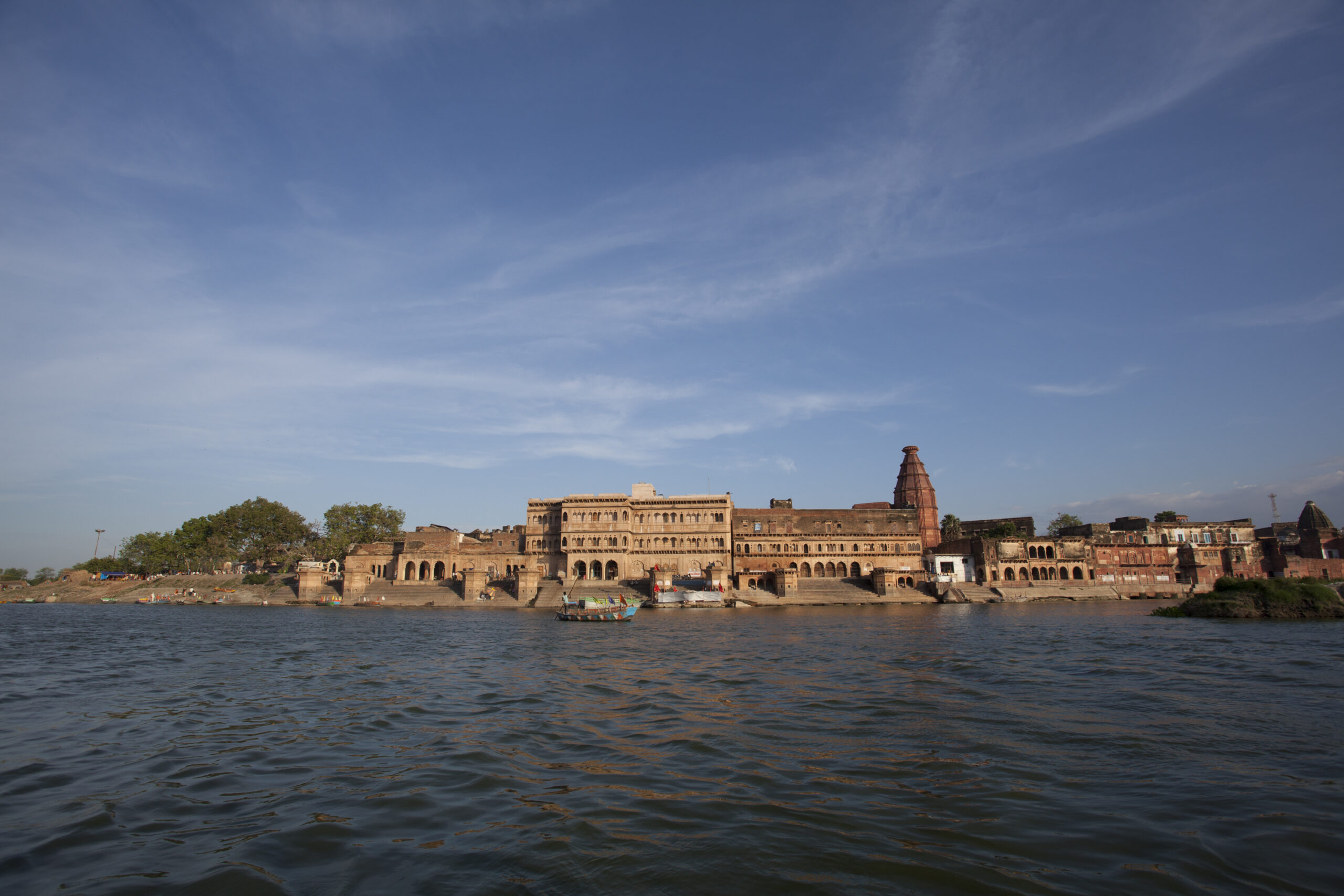
The Yamuna River, stretching 1,376 kilometers from the Yamunotri glacier to its confluence at Prayagraj, is more than just a body of water. It is a historical monument, a provider for millions, and a deity to the Krishna devotees who worship its banks. Yet, the 22-kilometer stretch passing through Delhi has achieved the grim distinction of being one of the most polluted river segments on Earth.
In this “dead zone,” the river’s ecological functions have entirely ceased. The water is devoid of dissolved oxygen, rendering it incapable of supporting aquatic life. During religious festivals, the world watches in horror as devotees wade into thick, toxic foam, a grotesque chemical byproduct of detergents and industrial effluents, to offer prayers to a goddess who is suffocating in plain sight.
The response from the state has been a massive allocation of capital. Delhi has committed ₹6,485 crore, to reverse this catastrophe. While this figure is often cited as proof of political will, it actually highlights a fundamental disconnect in environmental governance: the stubborn gap between financial investment and ecological results. Money alone cannot clean a river when urban planning, industrial regulation, and interstate coordination remain fundamentally broken.
Delhi’s cleanup strategy rests on three conventional pillars: expanding sewage treatment capacity, modernizing aging plants, and upgrading drainage infrastructure. While these are necessary, they are far from sufficient.
Delhi generates approximately 720 million gallons of sewage daily. Existing Sewage Treatment Plants (STPs) are chronically overburdened, and many operate far below their rated capacity due to erratic power supplies, poor maintenance, and design flaws.
Many STPs utilize outdated activated sludge processes that cannot meet modern discharge standards. Without upgrading to tertiary treatment systems, the “oxygen debt”, measured as Biochemical Oxygen Demand (BOD), remains catastrophically high. While safe levels for aquatic life are below 3 mg/L, the Yamuna in Delhi routinely records levels exceeding 30 mg/L. We are essentially pouring money into systems that are designed for the pollution levels of the 1980s, not the crisis of 2026.
Even the best STPs are useless if the sewage never reaches them. Delhi’s crumbling sewer network allows raw waste to bypass treatment entirely through leaking pipes and illegal connections, draining directly into the river. Historically, these projects have been plagued by cost overruns and delays. Without independent auditing and transparent tracking, this multi-billion rupee investment risks becoming just another entry in a long ledger of expensive failures.
The Gurugram Factor: A Transboundary Crisis
An honest assessment of the Yamuna’s death cannot ignore the geographic and political reality of Gurugram. Approximately 70% of Haryana’s total pollution load into the Yamuna originates from this single city. Gurugram’s meteoric rise from a modest town to a global corporate hub occurred without a commensurate investment in waste management.
The result is a two-pronged assault on the river:
Untreated Domestic Sewage: Raw sewage from high-rise townships and commercial zones flows daily into the Badshahpur drain, which feeds directly into the Yamuna.
Industrial Effluents:
Gurugram’s manufacturing and dyeing units discharge heavy metals and chemicals into stormwater drains. While Effluent Treatment Plants (ETPs) are legally mandated, enforcement by the Haryana State Pollution Control Board (HSPCB) is inconsistent at best and nonexistent at worst.
This highlights the fatal flaw in the current cleanup model: administrative silos. Delhi can spend billions, but if Gurugram continues to discharge 70% of the upstream load unabated, the river will never recover.
To rescue the Yamuna, we must move away from “project-based” thinking and toward systems-based governance. This requires a radical shift in how we manage water and accountability.
Nature-Based and Decentralized Solutions
We must stop relying solely on massive, centralized STPs that take a decade to build. Decentralized, modular treatment units can be deployed in weeks and are easier to maintain. Furthermore, we must integrate nature-based solutions, such as constructed wetlands and riparian buffer zones along tributaries, to act as natural filters for organic pollutants.

Radical Accountability
The “Polluter Pays” principle must be enforced with teeth. We need Real-Time Effluent Monitoring (OCEMS) on every industrial discharge point, with data made available to the public. If a factory’s discharge exceeds safety limits, the penalties should be automatic and proportional, not a “cost of doing business,” but a deterrent that makes pollution economically unviable.
The Yamuna Basin Authority
River basins do not respect state borders, and our governance must reflect that. We need a formal Interstate Compact, modeled on successful international river authorities. This body must have the statutory power to coordinate infrastructure, set unified pollution targets, and penalize non-compliance across Delhi, Haryana, and Uttar Pradesh.
The crisis of the Yamuna is a governance crisis wearing the mask of an environmental one. The river does not respond to brochures, township names, or budget announcements. It responds to flow, to the cessation of toxicity, and to the integrity of the people tasked with its protection.
We must resist the comfort of the “billion-rupee” headline. Money is a tool, not a solution. Until we address the corruption in enforcement, the lack of interstate cooperation, and the obsession with cosmetic branding over ecological substance, the Yamuna will continue to die in silence.
The river is not yet beyond saving, but we are running out of time. Saving the Yamuna requires the honesty to admit what is failing and the courage to build a system that actually works. The devotees have prayed, the politicians have spoken, and the builders have branded. Now, it is time for the river to finally receive what it has been denied for decades: the right to live.