Vrindavan Today | Bureau Report
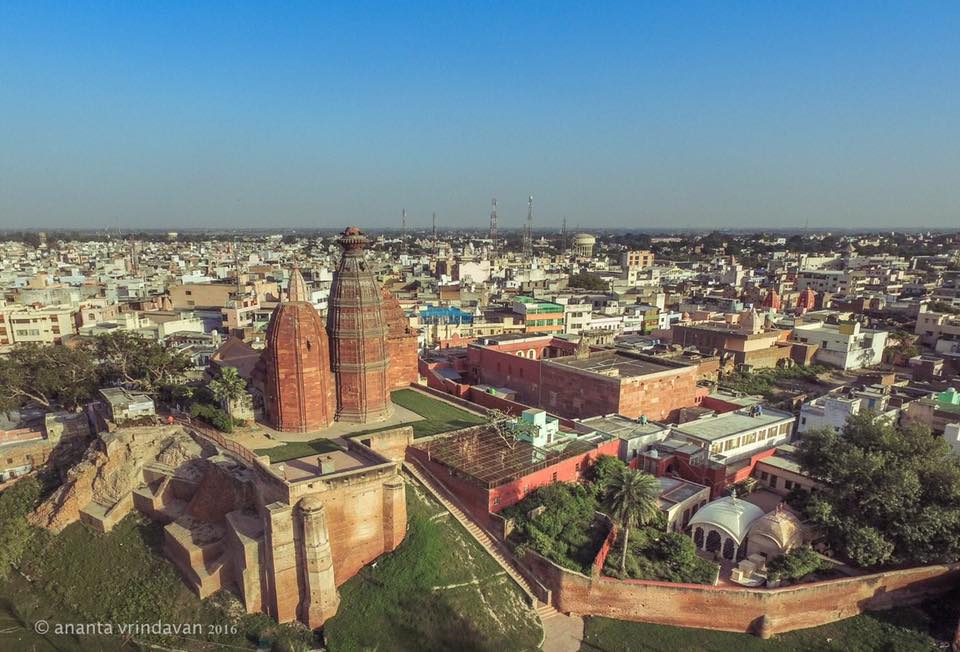
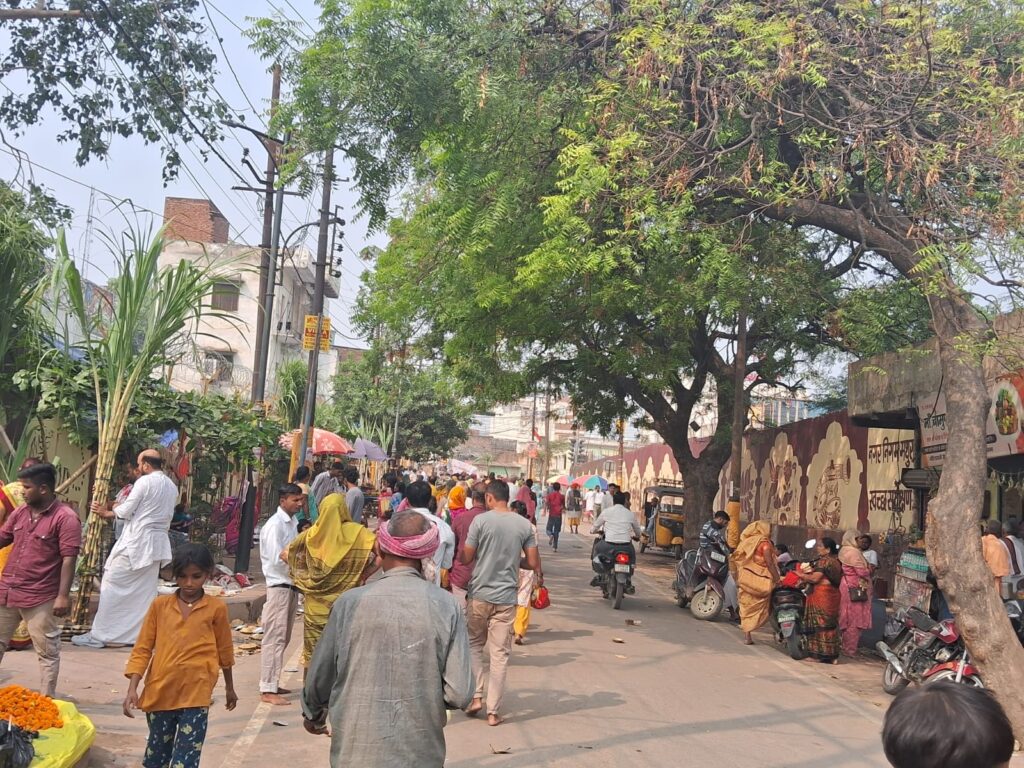
16th April, 2026, Vrindavan: Over the past thirty years, Vrindavan has undergone a profound transformation; socially, culturally, and spiritually. What was once a deeply rooted Vaishnava religious town has gradually experienced a subtle but significant secularization of its traditional character. The city, once organized around the temple neighborhood clusters, has dissolved into fragmented modern colonies and housing societies. In those earlier times, life unfolded on rooftops, marketplace platforms, the verdant gardens of plums and guavas, agricultural fields, sand banks and the ghats of the Yamuna, where social interaction was organic and continuous. Today, these spaces are overcrowded by the tourists, most of them have nothing to do with the Braj culture. As residents moved from dense localities to dispersed colonies, something essential was lost: community. The close-knit bonds of shared living have given way to isolation. Temples, once integral to everyday life, now see fewer local visitors. Instead, they are increasingly frequented by tourists and pilgrims from outside. The connection between the local population and their open sacred spaces has weakened considerably.
The profile of visitors has also changed. Decades ago, Vrindavan attracted lakhs of pilgrims from rural regions of Uttar Pradesh, Bihar, and Bengal during the festive seasons of Shravan, Holi, Janmashtami, Kartik etc. Today, that demographic has almost disappeared, replaced largely by urban visitors from Delhi, Haryana, Punjab and nearby cities who arrive year-round. Mostly they come here on their own cars, instead of trains and buses. The shift reflects not just changing travel patterns but a deeper transformation in the meaning of pilgrimage itself.
Equally striking is the shift in geographical and symbolic centers. Vrindavan, that has been the heart of the Braj region, now finds itself in competition with Barsana and Govardhan. Visitors arriving by train often bypass Vrindavan entirely, heading straight to these more “visible” destinations. This visibility, however, is not organic. It is manufactured through aggressive media branding and digital promotion.
In this new landscape, social media has emerged as the new ‘Guru’. It determines where people go, what they see, and how they interpret sacred geography. As a result, places with strong digital presence attract overwhelming crowds, while historically and architecturally significant sites remain neglected. For instance, while the Banke Bihari Temple overflows with devotees, the ancient Govind Dev, Gopinath and some other Temples often stand in relative silence despite its immense heritage value. Similarly, the devotees visit those sadhus and Bhagvat preachers only who have strong social media presence. From the Political leaders to the common visitor, travel decisions are increasingly guided not by tradition or local knowledge, but by youtube, facebook and instgram.
This dependence on digital mediation comes at a cost. When social media becomes the guide, history, tradition, and lived spirituality risk being replaced by curated images and superficial experiences. The pilgrimage turns into a photo opportunity rather than a journey of inner engagement.
Between Tradition and Globalization
Understanding Braj’s culture today requires looking at both its past and present. While the symbols of religiosity i.e temples, rituals, deities; remain visible, their deeper meanings are fading. What persists is a surface religiosity, often devoid of knowledge and understanding. Ironically, religious cities are witnessing the rise of religious illiteracy, a phenomenon that poses serious challenges to both faith and secular harmony.
Vrindavan, once defined by its local uniqueness, is now part of a global cultural network. The city that once carried a distinct identity has been absorbed into a homogenized global culture. Where there was once devotion, there is now promotion; where there were saints, there are now “cult figures.” The fragrance of local life has been replaced by the smoke of hotels and commercialization.
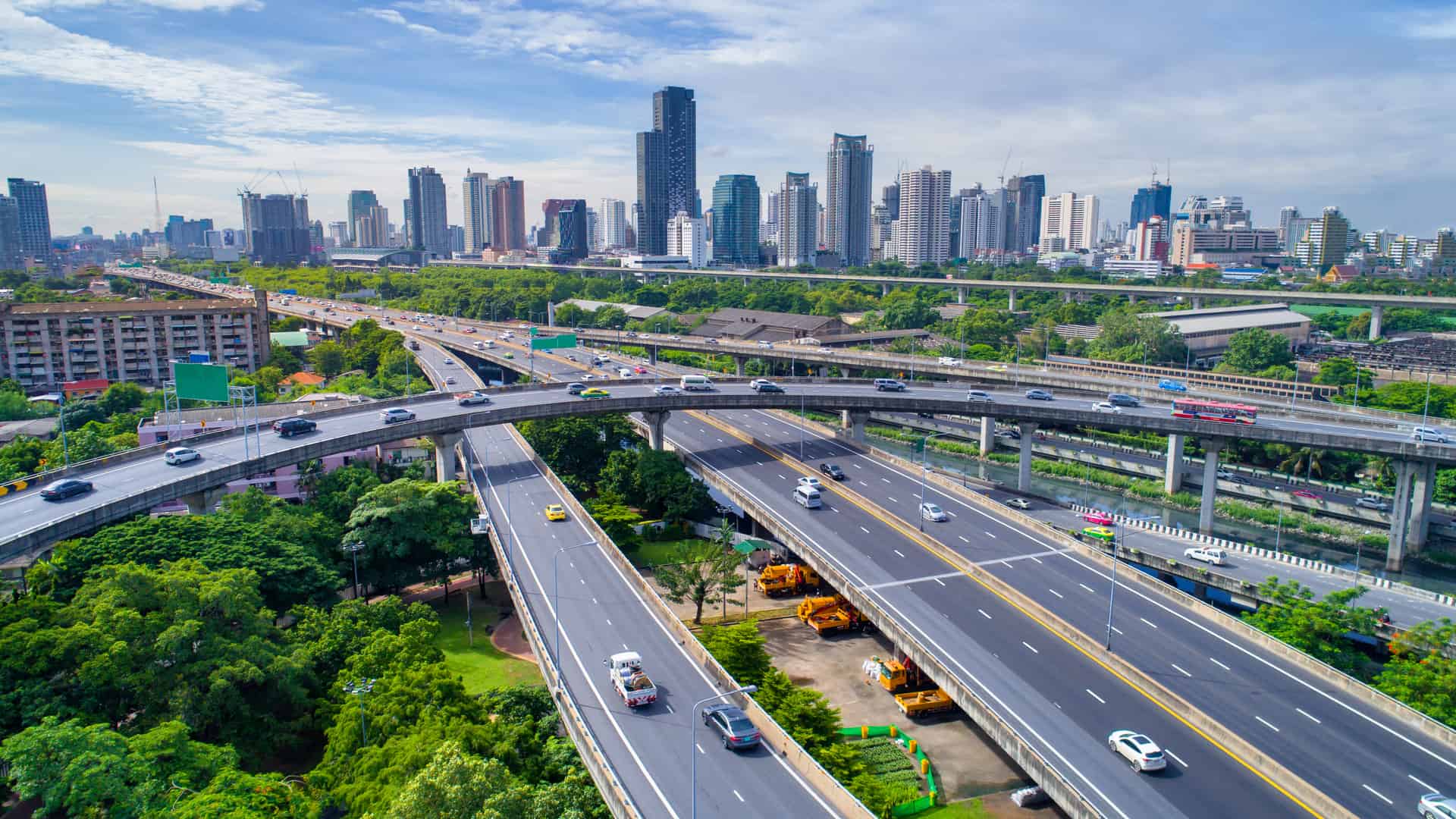
The city is now more connected to the outside world than ever before, yet paradoxically, it is increasingly disconnected from its own roots. Its uniqueness has diminished, and it increasingly resembles any other urban center shaped by global forces.
The transition to modernity in Vrindavan has been abrupt and uneven. While India entered modernity two centuries ago, Vrindavan experienced its major transformations only in the last three to four decades. Unlike other regions, it did not pass through a gradual process of intellectual and cultural reform akin to the Renaissance. Instead, it appears to have leapt directly from a traditional, semi-feudal structure into a postmodern condition; bypassing critical engagement with modern values such as rationality, reform, and debate.

From Devotees to Consumers
One of the most profound shifts has been in identity. Earlier, the city’s residents were participants in a shared religious culture; today, they are increasingly consumers in a market-driven environment.
Temples themselves are undergoing a crisis. Younger generations show little interest in priesthood or temple management, leading to a shortage of caretakers and a decline in the transmission of historical knowledge. Many priests today perform rituals without a deep understanding of the traditions they represent. As a result, the living memory of temples is eroding.
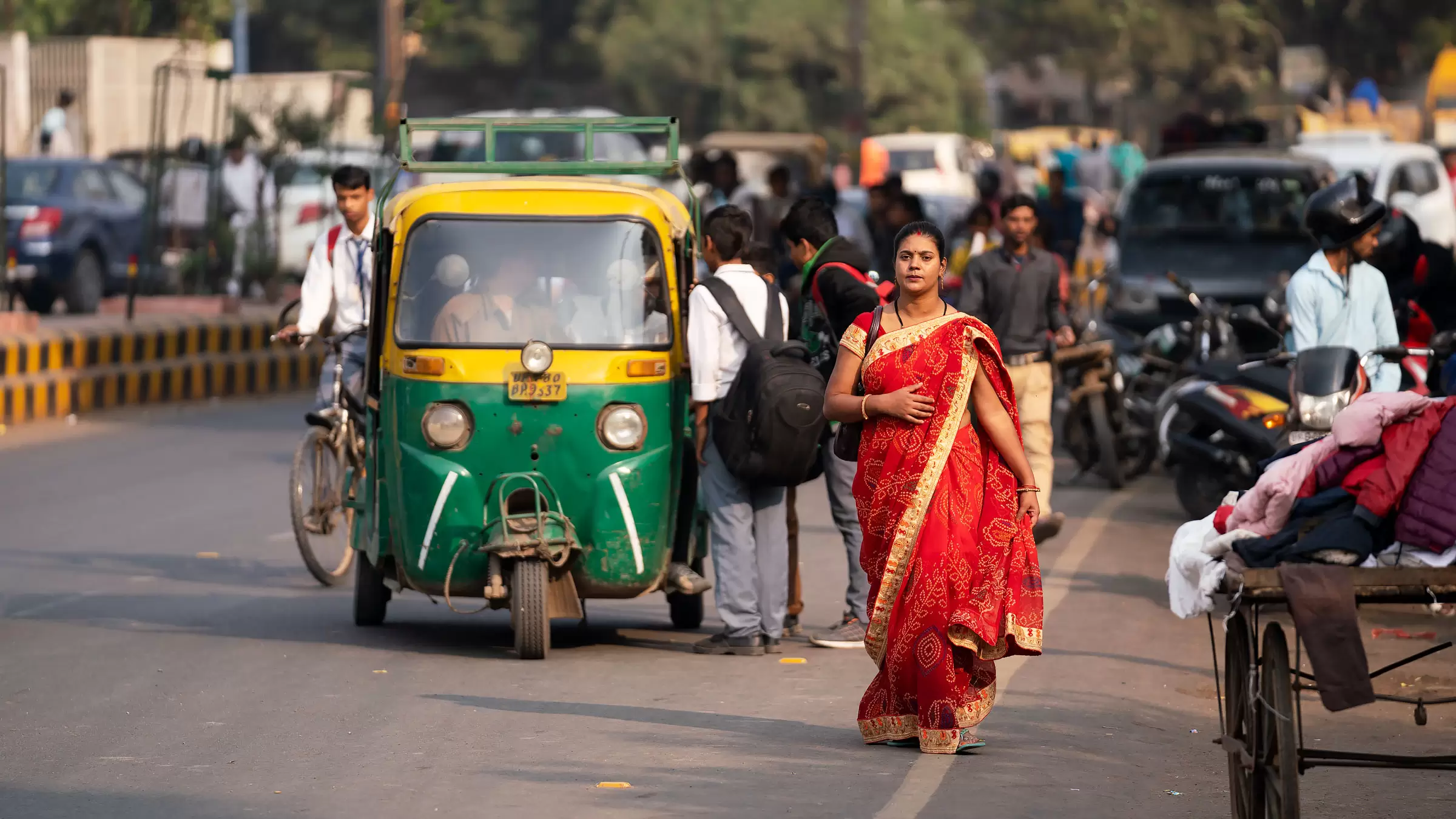
Global culture, in this context, produces individuals who are detached from history yet equipped with modern lifestyles. Traditional identities are weakening, replaced by fragmented and hybrid identities. While lifestyles have modernized—especially among women, who are embracing greater visibility and autonomy—this transformation is not always accompanied by a corresponding evolution in values.
Contradictions of a Changing Society
Vrindavan today is marked by deep contradictions. While modern consumption patterns are widespread, social structures like caste remain resilient. The city embodies a curious mix: a leap into postmodernity without a grounding in modernity itself. This has led to fragmented identities and the rise of both essentialism and fundamentalism.
Economic changes have also brought unintended consequences. Alongside temples, there is a proliferation of liquor shops, E – Rickshaw operation, and Hotels – guest houses. Social issues such as corruption, lawlessness, and the breakdown of traditional relationships are becoming more visible. Rising divorce rates and weakening community ties reflect deeper structural shifts.
What emerges is a form of “corrupt capitalism” that encourages consumption without critical thinking. It promotes desire without discipline, and aspiration without accountability.
Vrindavan’s transformation reflects broader tensions between tradition and globalization, faith and consumerism, history and digital mediation. The rise of social media as a ‘Guru’ symbolizes a world where algorithms replace lived knowledge, and visibility outweighs authenticity. If this trajectory continues unchecked, the risk is clear: a sacred landscape reduced to a digital spectacle, where the essence of spirituality is lost in the pursuit of visibility.
The challenge, therefore, is not to reject modernity or technology, but to engage with them critically; ensuring that in the rush toward the global, Braj – Vrindavan does not lose the very soul that once made it “three worlds apart.”