By Jagannath Poddar / Vrindavan Today News
10th May, 2026, Vrindavan: Braj has drawn saints, pilgrims, scholars, and seekers from centuries across the world. The spiritual atmosphere of Vrindavan, Mathura, Govardhan, Barsana and Nandgaon has traditionally been defined by devotion, simplicity, and reverence. However, in recent years, a different culture has increasingly begun to overshadow the sanctity of Braj; the rise of what many residents and devotees describe as “rowdy tourism.”
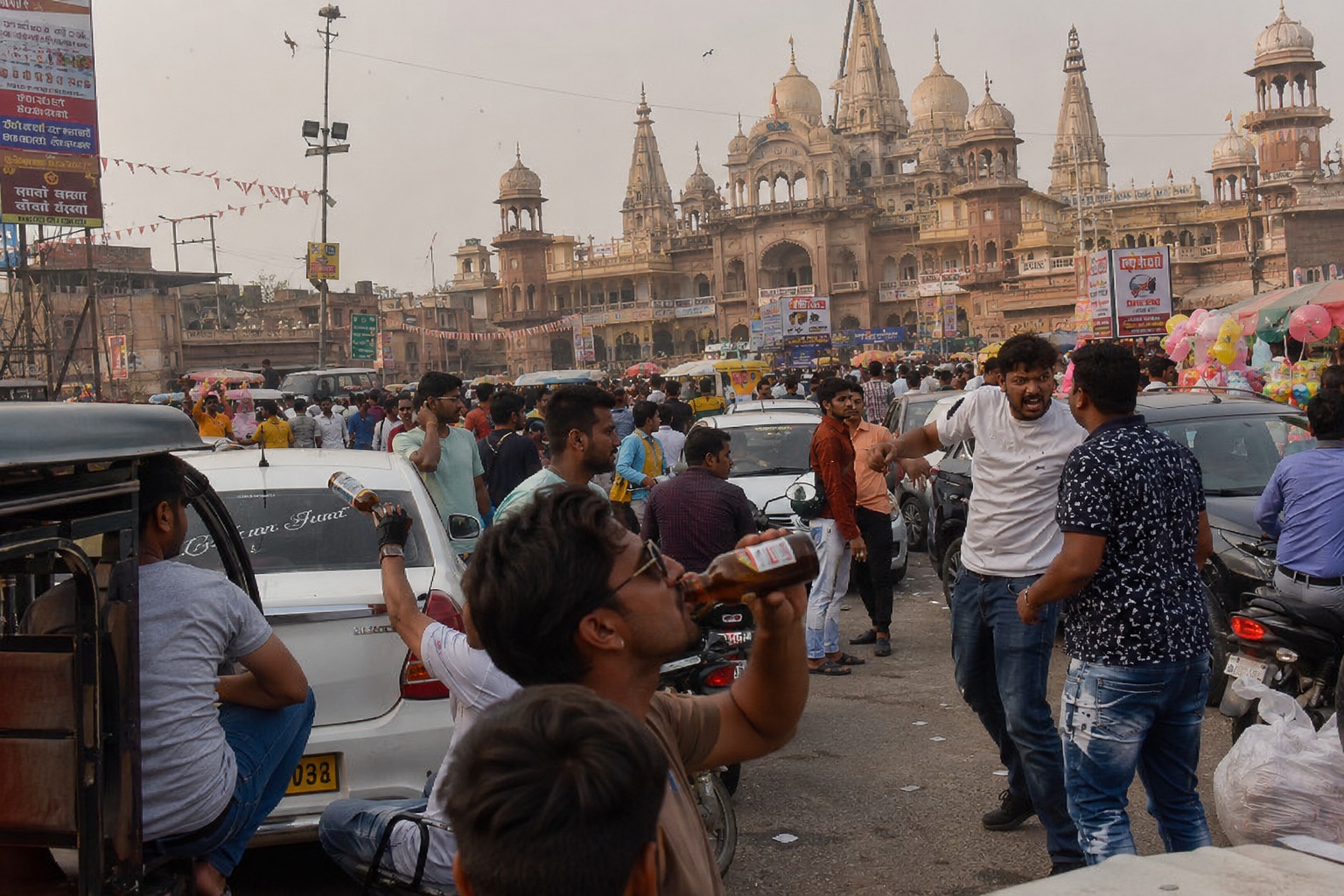
Unlike pilgrimage tourism, which is centered around darshan, parikrama, kirtan, and spiritual reflection, rowdy tourism often treats Braj merely as a recreational destination. On weekends and holidays, many sacred areas witness groups arriving with blaring music systems, modified motorcycles, reckless driving, and behavior more suited to party destinations than places of worship. The mood of pilgrimage is frequently replaced by noise, crowding, intoxication, and aggressive displays meant for entertainment and social media attention.
Concerns regarding alcohol consumption in and around sacred zones have also increased sharply. Residents and local devotees often complain that liquor bottles and cans can frequently be seen thrown from moving cars or discarded near roadsides, parikrama routes, and open areas around pilgrimage towns. Such scenes deeply hurt the sentiments of pilgrims who regard Braj not merely as a tourist destination but as a sacred dham deserving the highest level of respect and purity.
The transformation is becoming visible across the region. Sacred ghats, parikrama routes, kunds, and temple surroundings are increasingly used as backdrops for reels and stunt videos. Loud music echoes near spiritually sensitive areas, while litter from packaged food, plastic waste, and alcohol bottles accumulates around temples and public spaces. Many devotees complain that the peaceful atmosphere once associated with Braj is gradually disappearing beneath the pressure of uncontrolled tourism and commercial activity.

Social media culture has further accelerated this trend. For many visitors, the focus appears to have shifted from spiritual experience to online visibility. Instead of approaching Braj with humility and devotion, some tourists treat sacred spaces as stages for viral content. Videos featuring dangerous stunts, loud dancing during kirtans, intrusive filming inside temples, and insensitive behavior near sadhus and pilgrims have become increasingly common. In several instances, heritage structures and restricted areas are misused simply for dramatic visuals and online engagement.
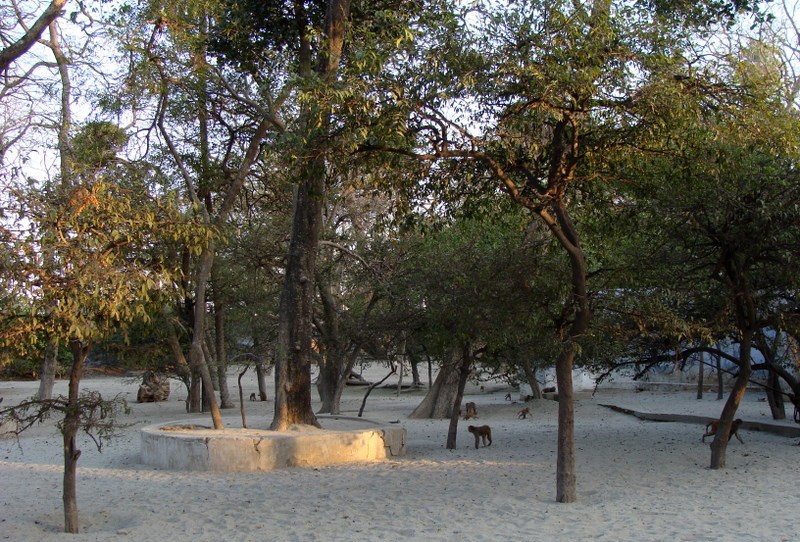
The impact of such behavior extends beyond disturbance to devotees. Reckless driving on narrow roads endangers pilgrims, especially the elderly and those performing parikrama on foot. Noise pollution affects temple rituals and the contemplative environment of the dham. Animals such as monkeys and cows are often harassed for entertainment, while fragile ecological zones around the Yamuna and the remaining sacred groves face growing pressure from uncontrolled crowds and careless waste disposal.
Many residents believe that the problem does not lie in tourism itself, as Braj has welcomed pilgrims and visitors for centuries. The concern is about the growing absence of respect and spiritual sensitivity. Braj has never been viewed merely as a tourist circuit; it has traditionally been regarded as a living sacred landscape where every path, grove, and kund carries spiritual significance. Saints have long spoken of the dust of Braj, “Braj raj,” with deep reverence, considering the land itself worthy of worship.
There is an increasing demand for stronger awareness campaigns, stricter enforcement against public nuisance, intoxication, reckless driving, and better protection of heritage and ecologically sensitive zones. Devotees and local communities argue that tourism in Braj must be guided by responsibility rather than unchecked commercialization. They believe visitors should be encouraged to understand the spiritual identity of the region instead of treating it as a destination for thrill and spectacle.
Braj is not merely a location on a map; it is a spiritual and cultural heritage landscape shaped by centuries of devotion, literature, music, and sacred traditions. If the current trend of rowdy tourism continues unchecked, many fear that the very essence that makes Braj unique may gradually erode. Development and tourism can coexist with sanctity, but only when accompanied by respect, restraint, and an understanding of the sacred character of the land.