Vrindavan Today | Bureau Report:
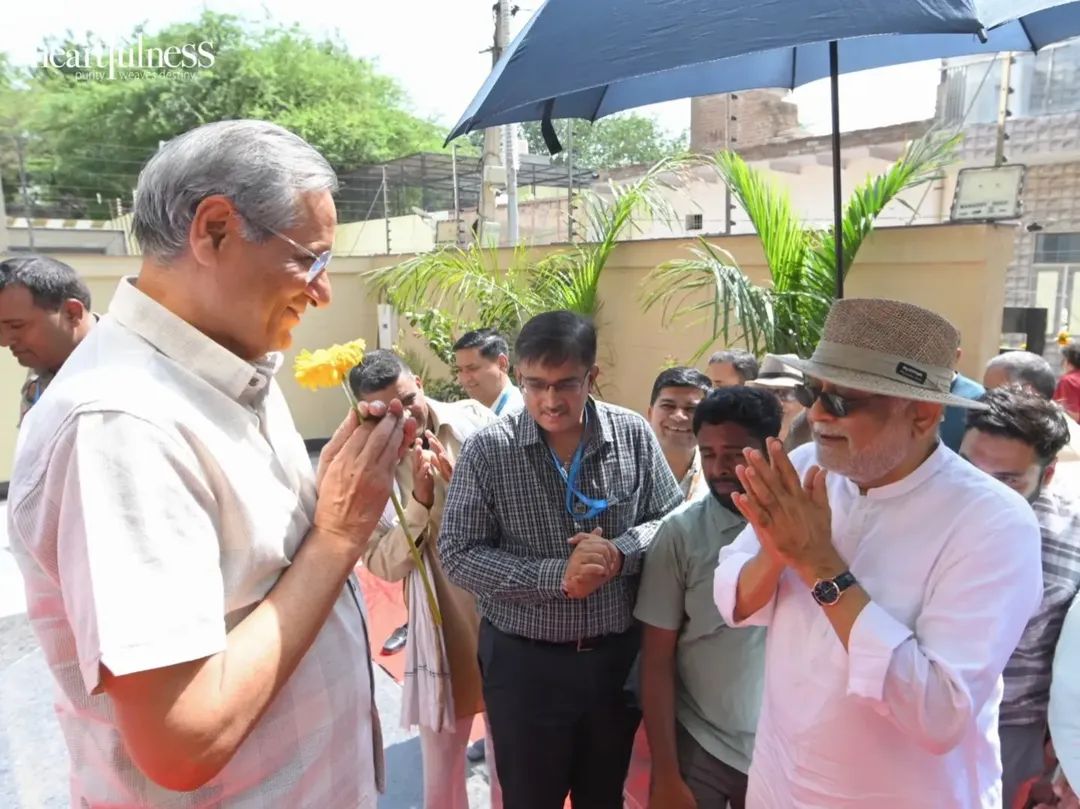
June 12th 2026, Mathura: Padma Bhushan Dr. Kamlesh D. Patel, popularly known as Daaji, recently visited Mathura and the Braj region along with a team of Heartfulness trainers, volunteers, and followers. The visit combined spiritual outreach with a comprehensive review of ongoing efforts to preserve and revitalize Braj’s unique cultural, environmental, and spiritual heritage.
Daaji is the Global Guide of the Heartfulness movement, one of the world’s largest meditation-based organizations, with practitioners spread across more than 160 countries. An internationally respected spiritual teacher, author, and mentor, he is known for presenting the timeless wisdom of yoga and meditation in a practical form suitable for modern life. His teachings emphasize inner transformation, compassionate living, human values, and harmony with nature. In recognition of his contributions to spirituality and society, he was awarded the Padma Bhushan, one of India’s highest civilian honors.
During his stay in Braj, Daaji participated in a series of programs and site visits organized in collaboration with the Uttar Pradesh Braj Teerth Vikas Parishad and local stakeholders. The visit reflected a growing recognition of the close relationship between spiritual consciousness and environmental stewardship, two themes that have become increasingly important in contemporary discussions about sustainable development.
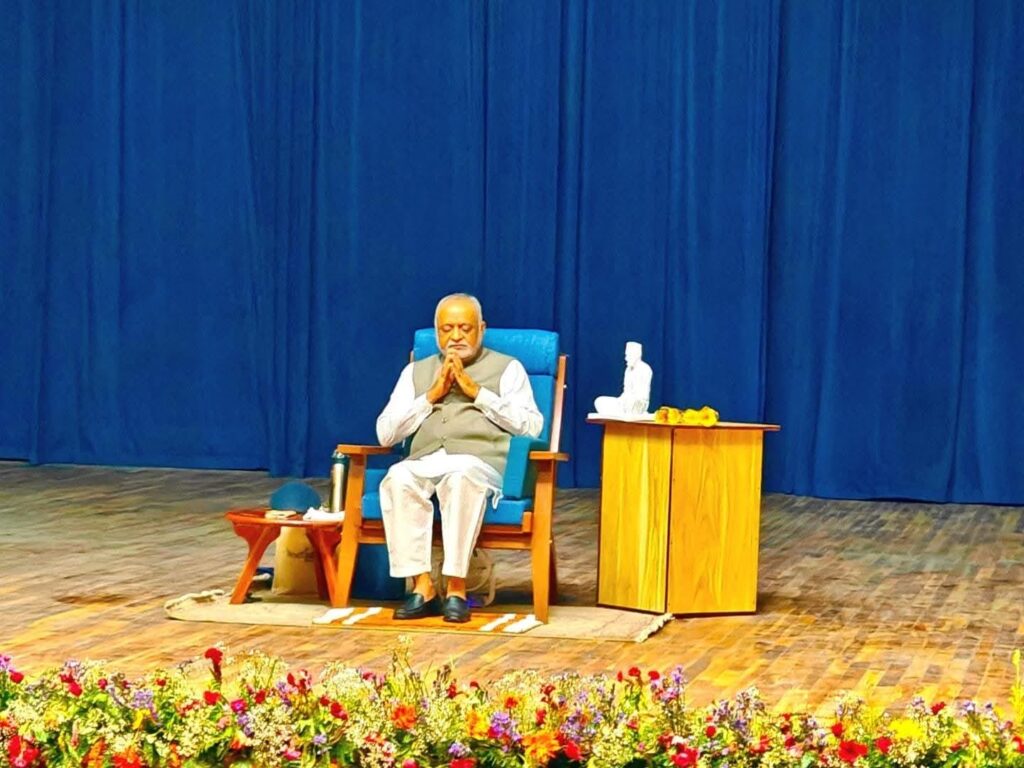
One of the key highlights of the visit was a Heartfulness Meditation Camp conducted a Spiritual Dialogue held at Panchjanya Auditorium in Dampier Nagar, Mathura. The event drew a large audience comprising spiritual seekers, students, professionals, government officials, and members of the local community.
Addressing the gathering, Daaji spoke about the importance of establishing a connection with the heart as the foundation for peace, balance, and spiritual growth. Reflecting on religion, faith, traditions, and the nature of God, he emphasized that spiritual truth is ultimately realized through direct experience rather than intellectual understanding alone. Meditation, he explained, enables individuals to cultivate that experience and discover a deeper sense of purpose and fulfillment.
He further stressed that love and compassion should extend beyond human relationships to encompass all forms of life and the natural environment.
According to Daaji, the degradation of nature is closely linked to a decline in human values and inner awareness. He encouraged participants to embrace simplicity, humility, and compassion while developing a more harmonious relationship with the world around them.
The gathering also provided participants with an introduction to the core practices of Heartfulness meditation, including relaxation, meditation on the heart, inner cleansing, and Pranahuti, the yogic transmission that is a distinctive feature of the Heartfulness approach. Through guided meditation sessions, attendees experienced methods designed to promote inner peace, emotional balance, and spiritual well-being.
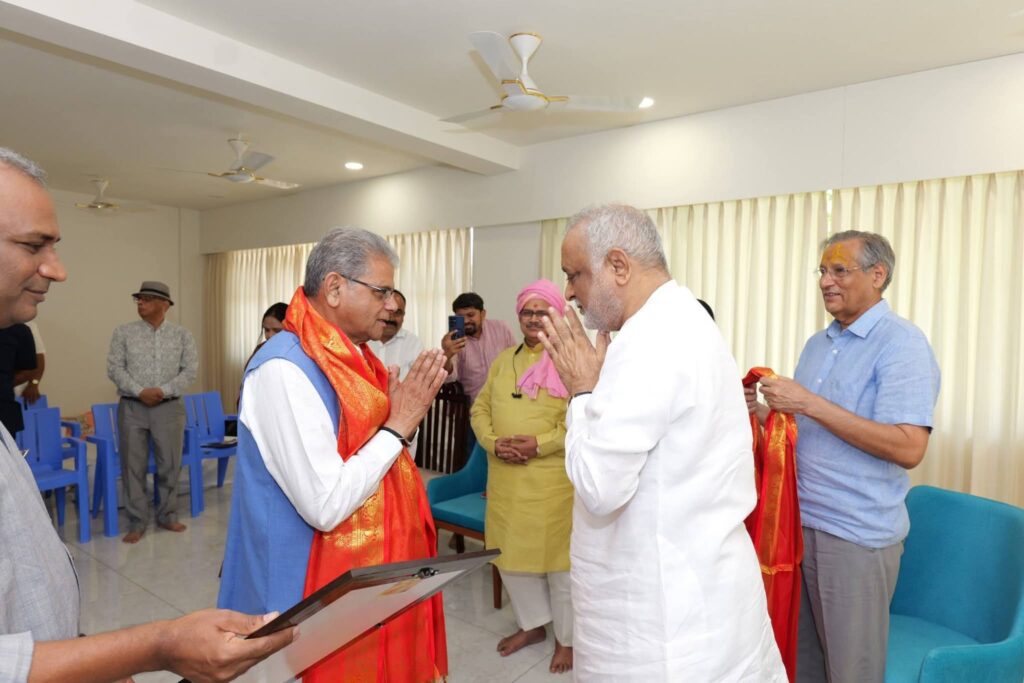
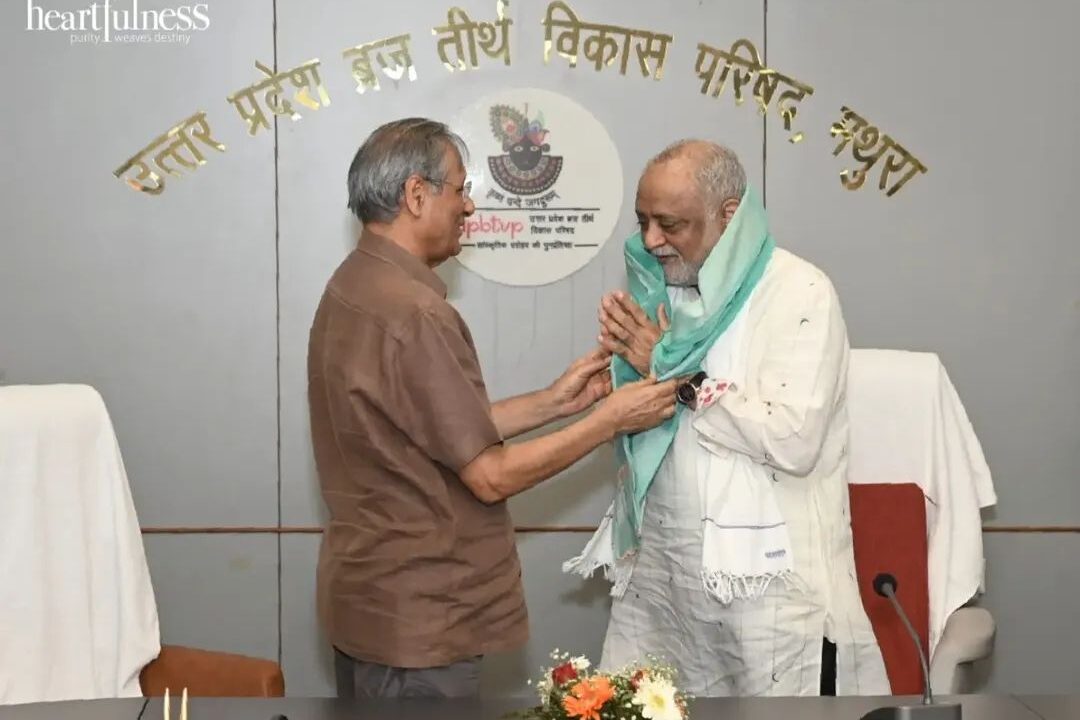
The event was attended by several prominent dignitaries, including Shri Shailja Kant Mishra, Vice Chairman of the Uttar Pradesh Braj Teerth Vikas Parishad; Shri Nagendra Pratap, Divisional Commissioner; Shri Chandra Prakash Singh, District Magistrate; and Ms. Lakshmi N., Chief Executive Officer of the Uttar Pradesh Braj Teerth Vikas Parishad and Vice Chairperson of the Mathura-Vrindavan Development Authority. The dignitaries welcomed and felicitated Daaji and appreciated his contributions toward spiritual development and social harmony.
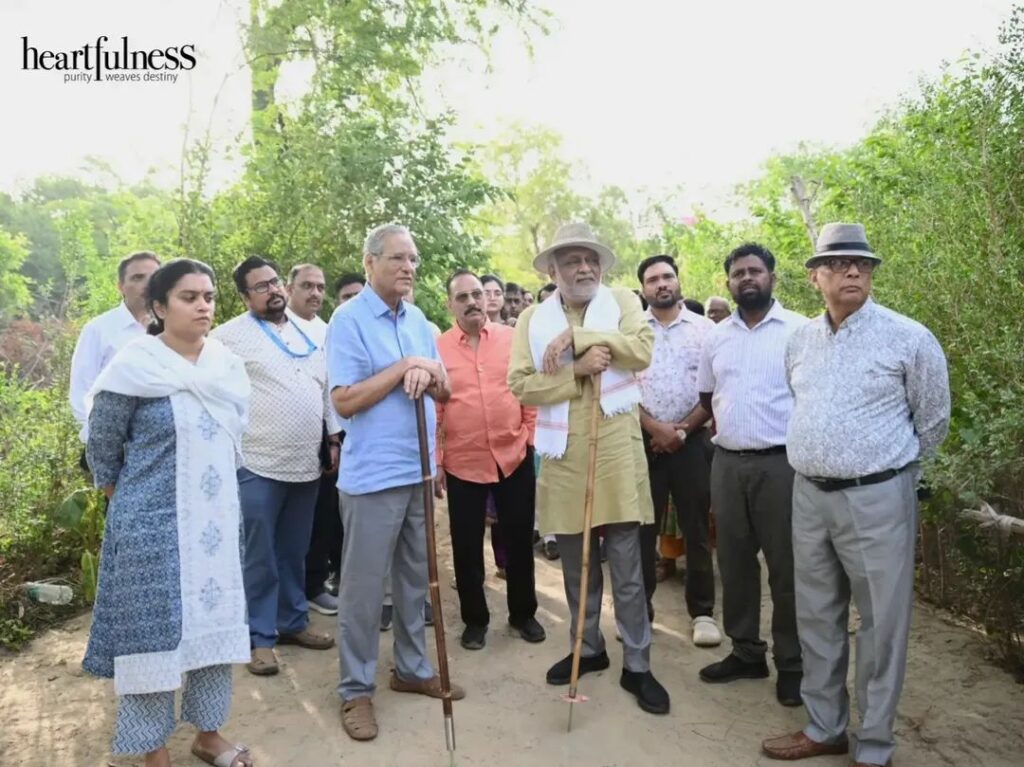
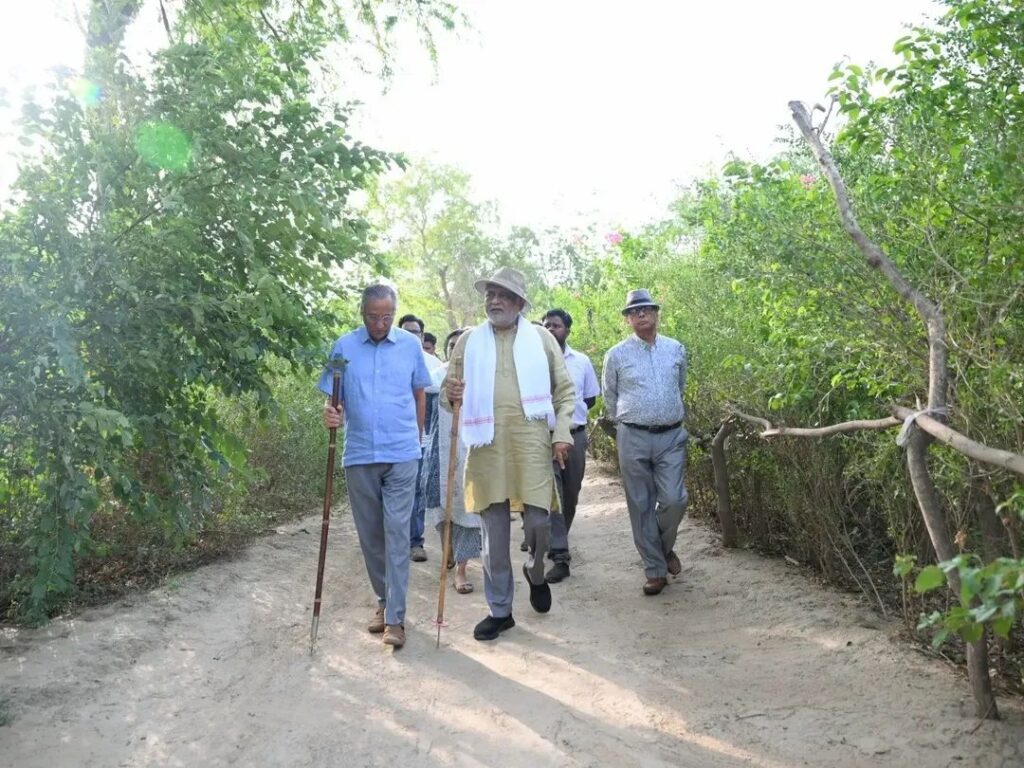
Beyond the meditation program, Daaji undertook an extensive tour of several important ecological, cultural, and heritage sites across the Braj region. Accompanied by officials of the Uttar Pradesh Braj Teerth Vikas Parishad, he reviewed ongoing conservation initiatives and explored opportunities future collaboration.
A significant part of the visit was devoted to the historic Banshivat area, where Daaji inspected a proposed eco-restoration project aimed at reviving Braj’s ancient forest traditions. The initiative seeks to gradually replace invasive Vilayati Babool (Prosopis juliflora) with indigenous and culturally significant tree species associated with Braj’s traditional ecology and the sacred landscape of Shri Krishna’s pastimes. The project is expected to strengthen biodiversity while restoring the historical and spiritual character of the region.
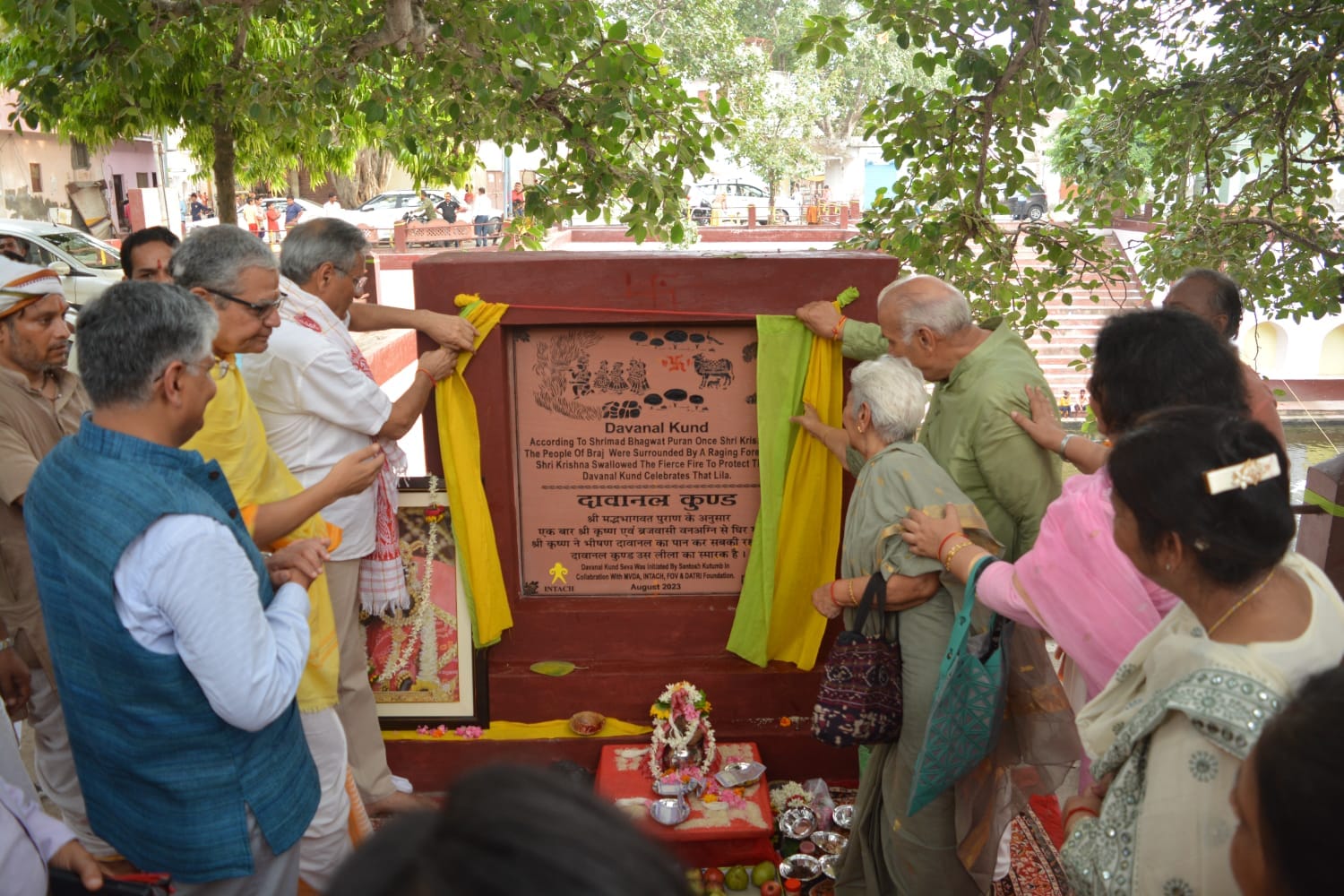
During his visit to Govardhan, Daaji reviewed conservation and development efforts along the Giriraj Parikrama Marg and visited several ancient kunds and natural sites. Discussions focused on water conservation, ecological restoration, enhancement of green cover, and improving facilities for pilgrims. The preservation of sacred water bodies and the restoration of natural habitats emerged as key priorities during these deliberations.
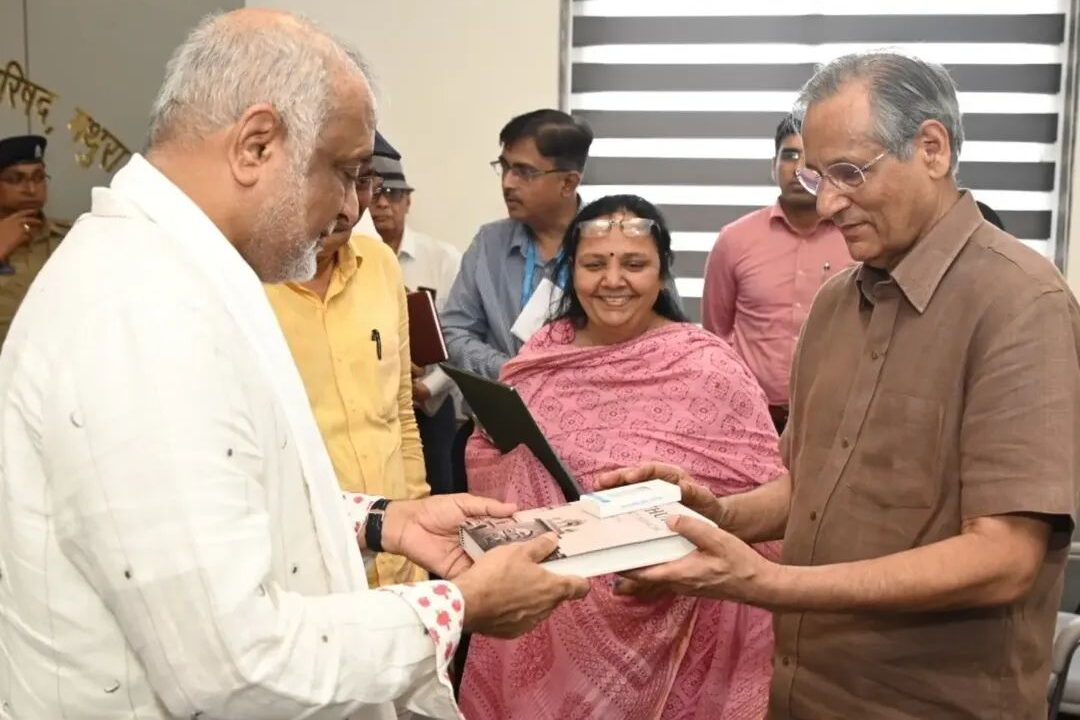
The visit also included inspections of important projects and heritage locations in Barsana, the Tourist Facilitation Centre at Akbarpur, the proposed Water Museum, the Kamai-Karahla forest region, and the historic Vajranabh Samadhi site. At each location, discussions were held regarding project implementation, public awareness, heritage conservation, and sustainable tourism.
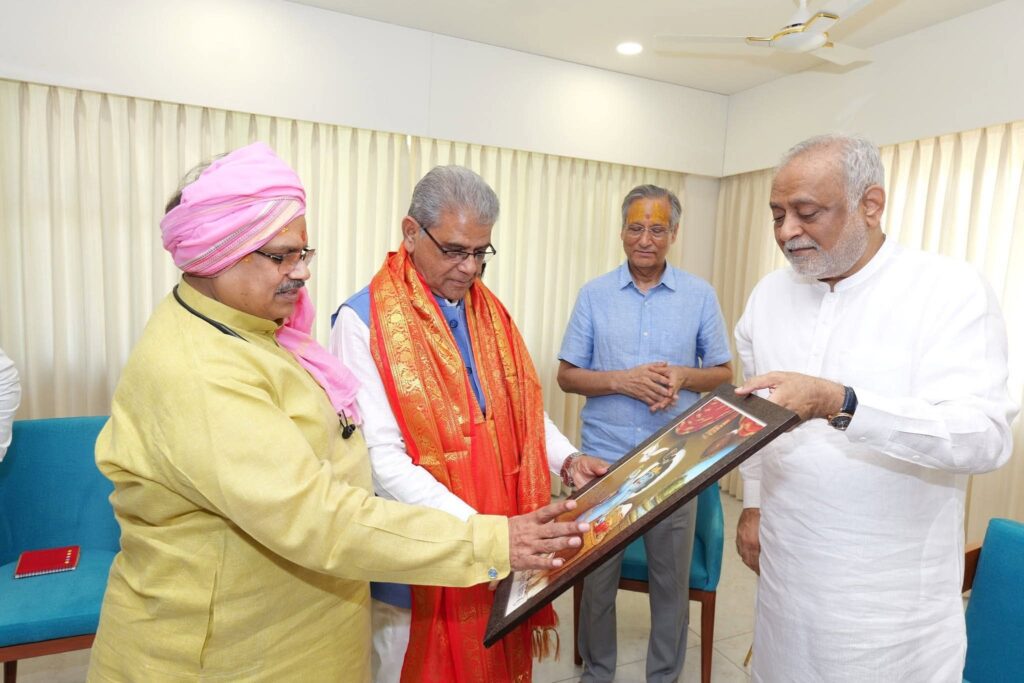
One of the most important outcomes of the visit was a detailed dialogue between the Uttar Pradesh Braj Teerth Vikas Parishad and the Heartfulness Foundation regarding future collaboration in the fields of environmental conservation and sustainable development. Discussions covered eco-restoration, afforestation, revival of sacred forests and kunds, water conservation, environmental education, and community participation.
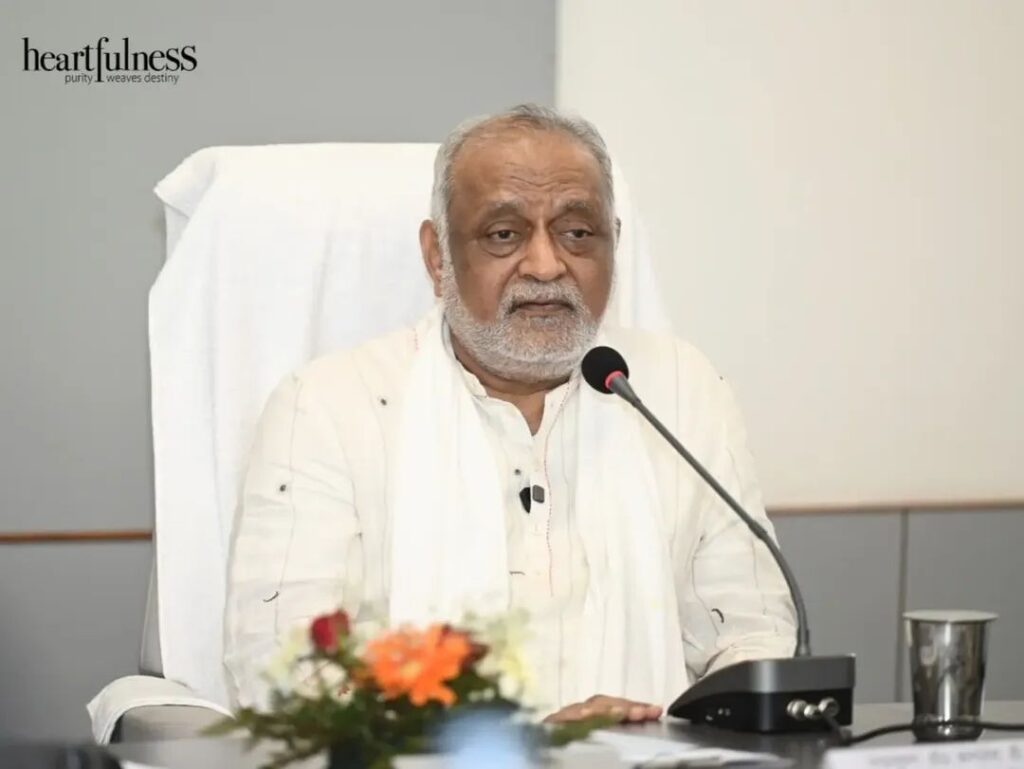
Both organizations agreed to work toward a joint action plan covering several key areas of cooperation. The proposed partnership aims to integrate scientific conservation methods with the values of spirituality and community engagement, creating a holistic model for the preservation and rejuvenation of Braj.
Daaji’s visit highlighted the growing understanding that the future of Braj depends not only on preserving its temples and sacred sites but also on protecting its forests, water bodies, biodiversity, and traditional landscapes. By bringing together spiritual organizations, government agencies, environmental experts, and local communities, the initiatives discussed during the visit have the potential to contribute significantly to the long-term sustainability of the region.
As Braj continues to attract millions of pilgrims and visitors every year, such collaborative efforts offer a promising vision for safeguarding its unique natural, cultural, and spiritual heritage. Daaji’s visit thus marked an important step toward fostering a deeper connection between inner transformation and environmental responsibility, ensuring that the sacred land of Braj remains vibrant and protected for future generations.