After 483 Years and Seven Temples, Demand Rises for an Eighth Grand Temple of Banke Bihari
After centuries of relocation and seven temple residences, a renewed call for a larger temple for Shri Banke Bihari in Vrindavan brings the question of heritage, pilgrim safety and the future of temple infrastructure into focus.
Vrindavan Today | Bureau Report
November 21, 2026, Vrindavan: The long-standing demand for a grand new temple dedicated to Shri Banke Bihari Ji Maharaj in Vrindavan has once again gained momentum, with a proposal for the construction of a new temple reportedly reaching the High-Powered Committee. The development has brought the issue back into public discourse, reviving a debate that has been ongoing for nearly a decade over the need for a larger temple, improved pilgrim facilities and the safety of devotees visiting one of India’s most revered Krishna temples.
The proposal, which has been pursued by Shri Haridas Bihari Foundation Bharat Trust, seeks the establishment of a spacious temple within Vrindavan, designed to accommodate the growing number of devotees while addressing concerns arising from the limitations of the existing temple structure. If the proposal does not receive favourable consideration, some proponents are reportedly contemplating approaching the Supreme Court.
A Demand Rooted in Safety and Changing Pilgrim Numbers
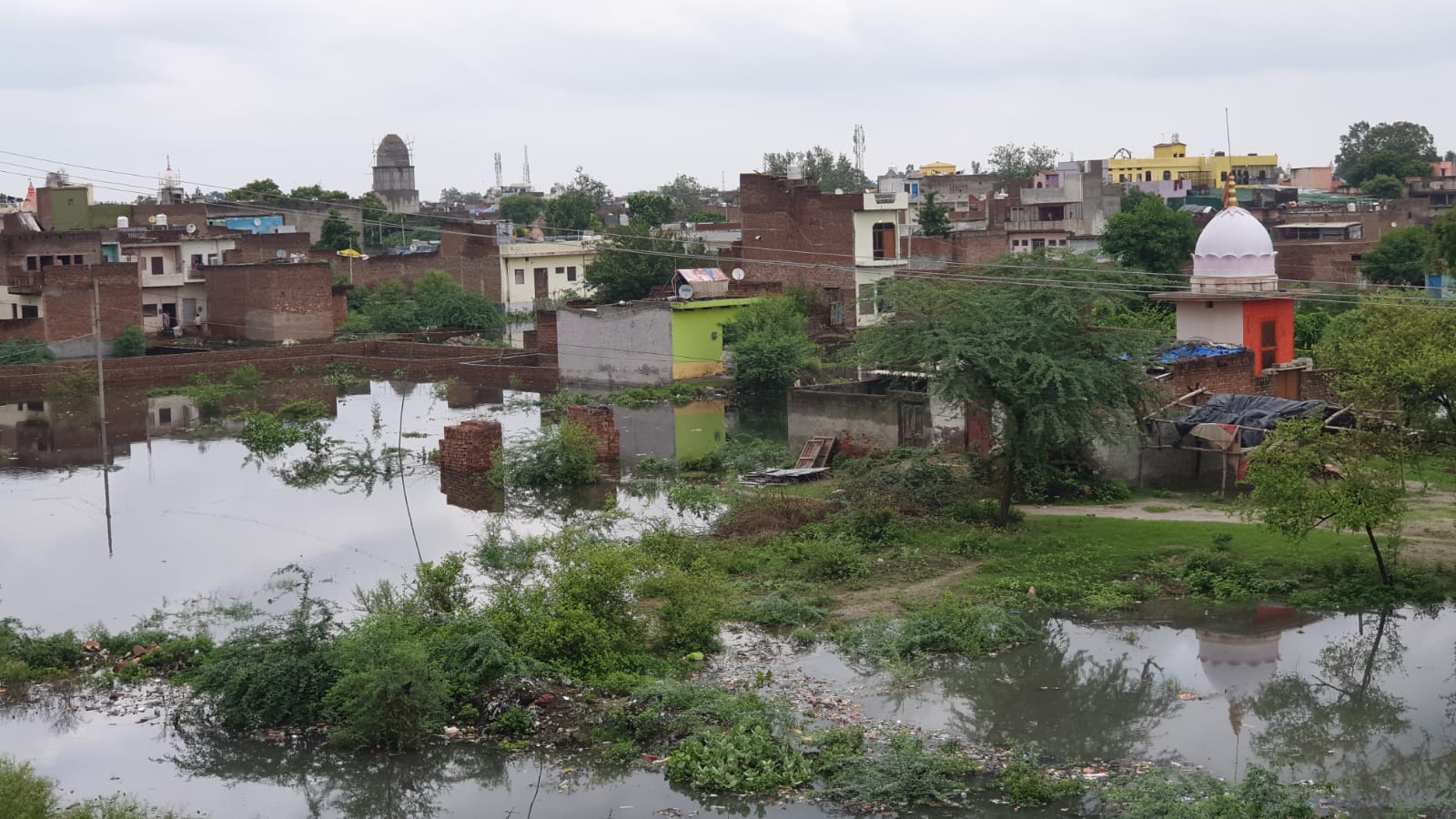
The campaign for a new temple gathered momentum following an incident in July 2016, when large pits reportedly appeared in the temple courtyard, raising concerns about the safety and structural condition of the premises. Since then, representations have been made to local authorities, the Uttar Pradesh Chief Minister, Mahant Yogi Adityanath, and Prime Minister Narendra Modi, seeking attention to the issue.
The initiative is being led by Acharya Prahlad Vallabh Goswami, a historian and sevayat of Shri Banke Bihari Ji, who believes that the existing temple, with its limited space and ageing structure, is increasingly challenged by the growing influx of devotees.
Vrindavan has witnessed a substantial rise in pilgrim footfall over the years, particularly during weekends, festivals and special occasions. The narrow streets surrounding the temple, the limited space available for darshan and the difficulties in managing large crowds have repeatedly drawn attention to the need for long-term infrastructure planning.
Support for the proposal has also come from prominent individuals and religious organisations. Padma Shri Mohan Swarup Bhatia, former Vice-Chairman of the Uttar Pradesh Sangeet Natak Akademi, and Mahesh Pathak, patron of the Teerth Purohit Mahasabha, are among those who have reportedly expressed their willingness to extend support to the proposed temple project.

A Temple That Has Moved Through Seven Historic Abodes
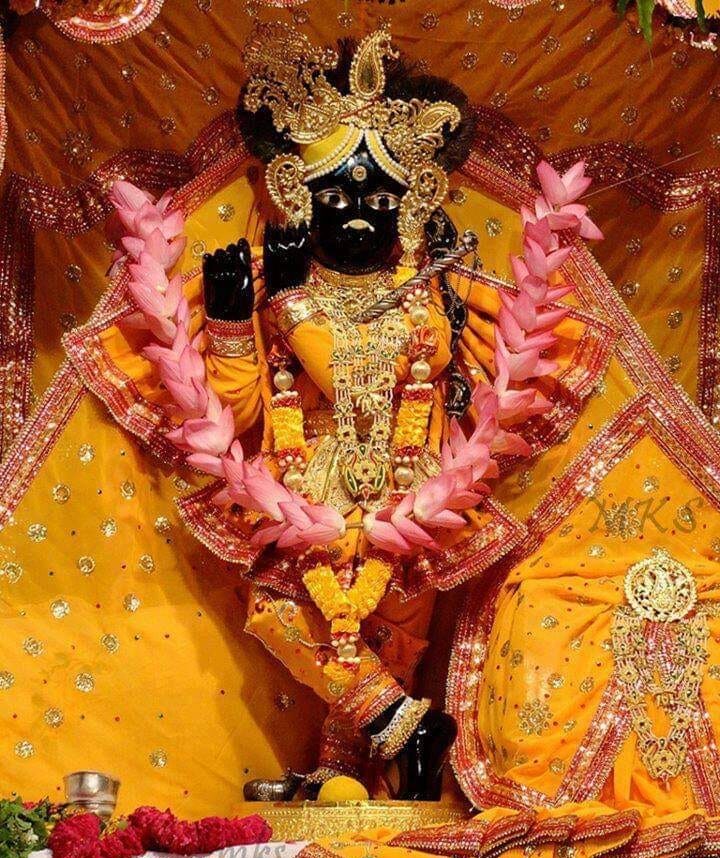
The proposal for an eighth temple is also being viewed in the context of the remarkable history of Shri Banke Bihari Ji Maharaj, whose sacred presence has been associated with several temples and locations over the centuries.
According to the historical account presented by Acharya Prahlad Vallabh Goswami, the deity manifested in 1543 and has, over a period of 483 years, been worshipped at seven different temple locations.
The earliest abode, known as Kunj Bhavan or Lata Mandap, remained the deity’s residence until 1607. The deity was subsequently moved to Rang Mahal, where darshan continued until 1719.
In 1719, at the insistence of Rani Naval Kunwar of Karauli, Shri Banke Bihari Ji was taken to Karauli. The deity remained at the third temple there until 1721 before being moved to a fourth temple in Bharatpur, where He remained until 1769.
On 11 April 1769, the revered Goswami Rupanand Maharaj, remembered as a martyr, brought the deity back to Vrindavan. A fifth temple was established at Nidhivan, which served as the deity’s abode until 1787.
In 1787, the sevayats relocated the deity to Dushyantpur, also known as Dusayat, near the old town. A small temple was established on donated land in the area, now known as Biharipura. This became the sixth temple.
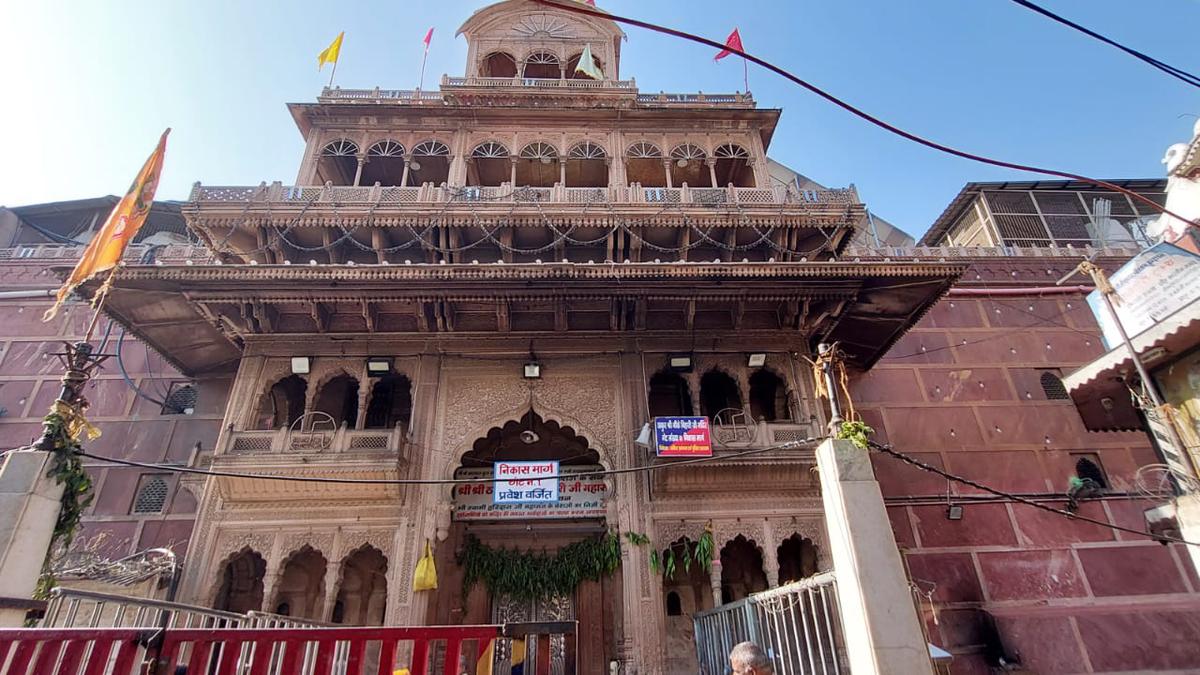
The present Shri Banke Bihari Temple, the seventh in this historical sequence, was constructed in 1864 and stands on what was once a mound-like plot of land. The deity has remained here for the past 162 years, making the present temple a significant landmark in Vrindavan’s religious and cultural landscape.

The Case for a New Temple
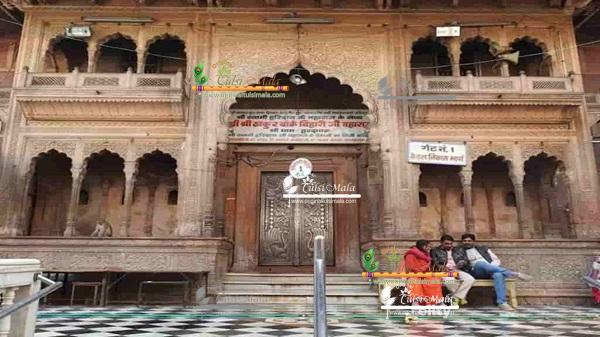
Those advocating a new temple argue that the present structure, built in the nineteenth century, was not designed to accommodate the scale of pilgrim traffic witnessed today. Its limited capacity, ageing infrastructure and the congestion of the surrounding neighbourhood have become increasingly difficult challenges.
The proposed temple, they suggest, should be developed at a suitable open site within Vrindavan, where adequate space can be planned for darshan, crowd management, pilgrim movement and essential facilities. Such a development could also encourage the growth of a new area of the town while reducing pressure on the historic temple neighbourhood.
Proponents believe that a new temple need not diminish the significance of the existing shrine. Instead, they envision a complementary arrangement that could preserve the old temple’s historic and spiritual character while offering a more spacious environment for the growing number of devotees.
They also argue that a carefully planned location could help protect Vrindavan’s traditional identity and avoid further pressure on the old city’s already congested streets and infrastructure.
Heritage, Devotion and the Future of Vrindavan
The debate over a new Banke Bihari temple raises a larger question about how Vrindavan should respond to the growing demands of pilgrimage without compromising its heritage, sacred geography and traditional character.
The present temple is not merely a place of worship; it is an integral part of Vrindavan’s spiritual identity and collective memory. Any proposal for a new temple would therefore require thoughtful consideration of religious sentiments, historical continuity, architectural character, environmental impact, land use and the long-term interests of the town.
The historical journey of Shri Banke Bihari Ji through seven temple abodes over nearly five centuries reflects the changing circumstances of the times and the enduring devotion of His followers. The current demand for an eighth temple is being presented by its supporters as another chapter in that continuing history.
With the proposal now reportedly before the High-Powered Committee, the decision could have far-reaching implications for the future of temple management, pilgrim facilities and the development of Vrindavan.
For devotees, the central aspiration remains unchanged; the opportunity to have peaceful, safe and uninterrupted darshan of their beloved Thakur Ji. How that aspiration is reconciled with the preservation of the historic temple and the sacred character of Vrindavan will remain at the heart of the discussion in the days ahead.
As the city continues to receive an ever-growing number of pilgrims, the question is no longer merely about the size of a temple, but about how Vrindavan can preserve its sacred heritage while responsibly accommodating the devotion of millions.

Support Vrindavan Today: Help us preserve the rich spiritual, cultural and environmental heritage of Braj. Your generous contribution will strengthen our efforts to document Vrindavan’s timeless traditions, protect its sacred heritage and raise a voice for the conservation of Braj. Every donation, big or small, helps us continue this mission. Donate today and become a part of our journey to preserve the soul of Braj. You can sponsor articles also. Donation made to Vrindavan Today is tax exempt u/s 80 G of the IT act. You can also help us by placing order of an advertisement of your product, which we will publish here in this site. Email us on: [email protected] or whatsapp us on 7456930889