Braj does not need the Miyawaki model; it needs the Braj model, deeply rooted in its soil, scriptures, and ecological heritage. The officials of Mathura district, and all agencies involved, must recognize that ecological revival here means restoring Krishna’s ancient forests, not planting artificial micro-jungles.
3rd December, 2025 (Vrindavan Today News): In recent years, the Miyawaki method of dense, fast-growing plantation has gained popularity across India. While this model has its merits in urban pockets and degraded lands, it is not always suitable for every region; especially not for culturally and ecologically sensitive landscapes like Braj. Braj is not just a geographical region; it is a sacred living heritage defined by traditional forests, sacred groves, and native ecological wisdom refined over millennia. Importing an artificial, high-density planting model risks damaging the very ethos we seek to preserve.
The Concern With Local Adoption
Today, even officials in Mathura district often talk about and favour the Miyawaki model. But before promoting it in Braj, they must understand that not every successful method elsewhere can be replicated here. Braj’s ecology, spiritual heritage, and cultural landscape require an approach grounded in tradition. It is not a uniform, densely packed plantation technique.
A Crucial Step Recently Taken
Encouragingly, the Forestry Department has recently received permission to replace invasive babool trees with native species in Krishna-lila vans. This decision marks an important shift toward ecological correctness and cultural sensitivity. But the work must go deeper: the forests and groves of Braj should be redeveloped as the ancient forests of Krishna’s time, not as simplified or congested micro-forests.
In Braj, this understanding is essential: हर वृक्ष यहाँ एक साधु है — every tree here is a sadhu.
A sadhu is given space, respect, and independence. Trees in Braj’s sacred landscape must also be allowed to grow with freedom, natural spacing, and dignity—not forced into overcrowded plantations for quick visual results.
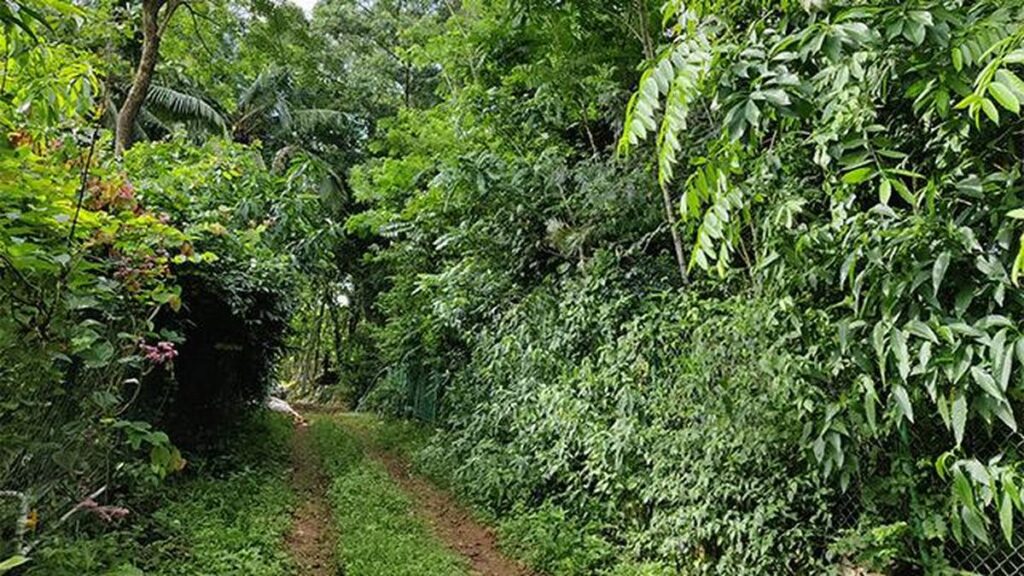
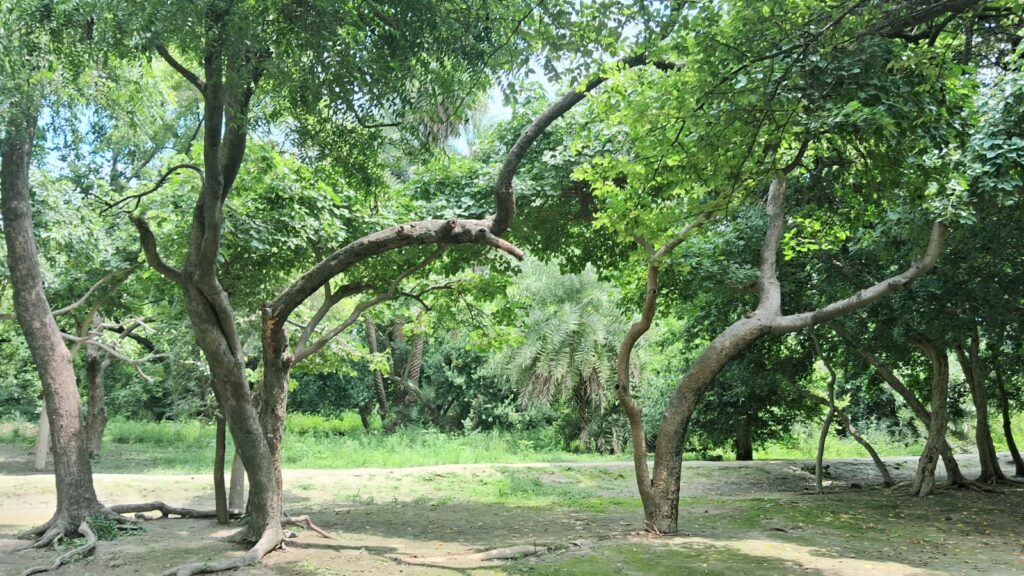
- Braj’s Ecology Is Unique—Dense Artificial Forests Disturb It
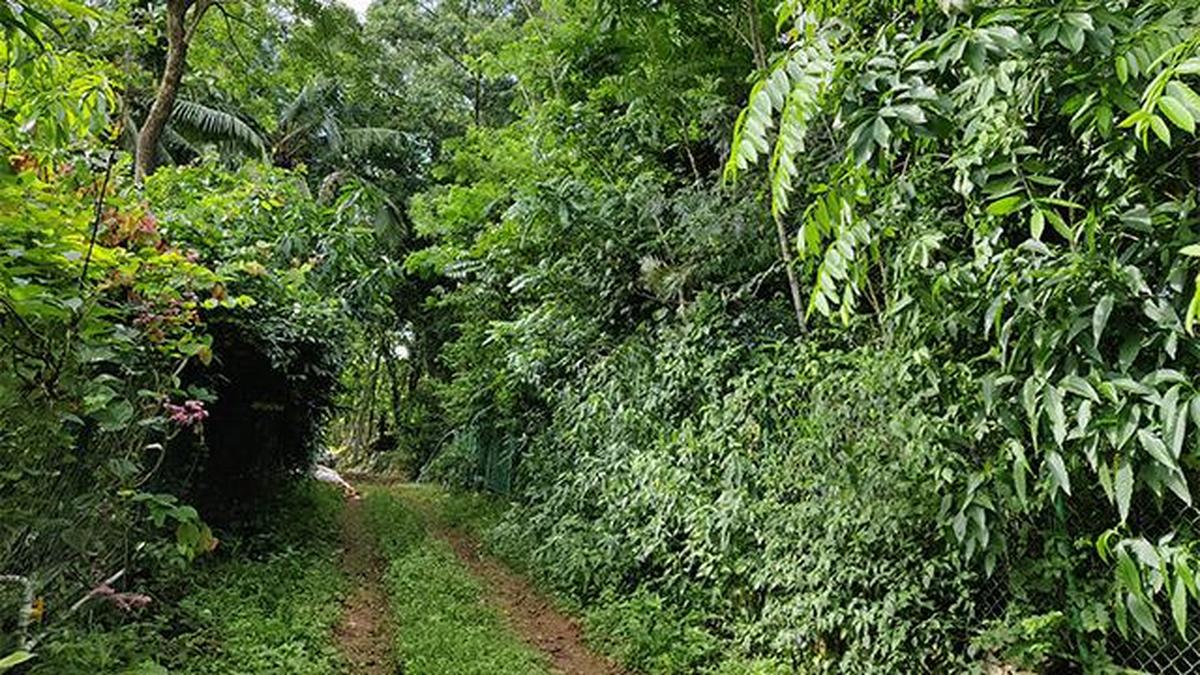
The Miyawaki model demands extreme density (3–5 saplings per sq m), which suits high-rainfall tropical regions but contradicts the natural form of Braj’s semi-arid ecosystem. Native species like kadamba, tamal, peepal, banyan, neem, shami, bel, and desi kikar thrive only when given space for canopy spread and root growth. Artificial crowding can suffocate them, stunt their development, and shorten their lifespan.
- Braj’s Traditional Forest Culture Is Already a Tested and Proven System
Braj’s heritage forests — vanas, upvanas, kunj-kutirs — were ecological masterpieces. Places like Nidhivan, Seva-kunj, Vanshivat, Talvan, and Kumudvan were traditionally open-canopy groves with layered vegetation and spiritual ambience. These forests supported birds, pollinators, and wildlife, while maintaining the cultural soul of Krishna-lila. Braj doesn’t need to discover a new model; it needs to restore its own ancient one.
- Miyawaki Species Mixing Can Harm Braj’s Biodiversity
To achieve rapid growth, Miyawaki plantations often mix non-native or semi-native species. Such mixing may distort soil ecology, disturb the delicate balance of insects and birds, and harm local species that depend on specific native plants. In contrast, Braj’s traditional groves were curated ecosystems where every plant had a role, purpose, and meaning.
- Traditional Braj Planting Is More Sustainable
Miyawaki forests require continuous care—intensive watering, mulching, and soil amendments. Braj’s native plantation systems are naturally resilient. Once established, native species grow with minimal intervention, surviving on local rainfall and resisting pests naturally.
- Braj’s Green Heritage Is Part of Its Spiritual Identity
Every tree in Braj carries memory and meaning. The kadamba symbolizes raas-leela, the tamal signifies divine presence, the banyan and peepal represent life and wisdom, and the bel embodies purity.
Planting trees in Braj is not a mere environmental act; it is seva—a form of devotion and preservation of sacred heritage.
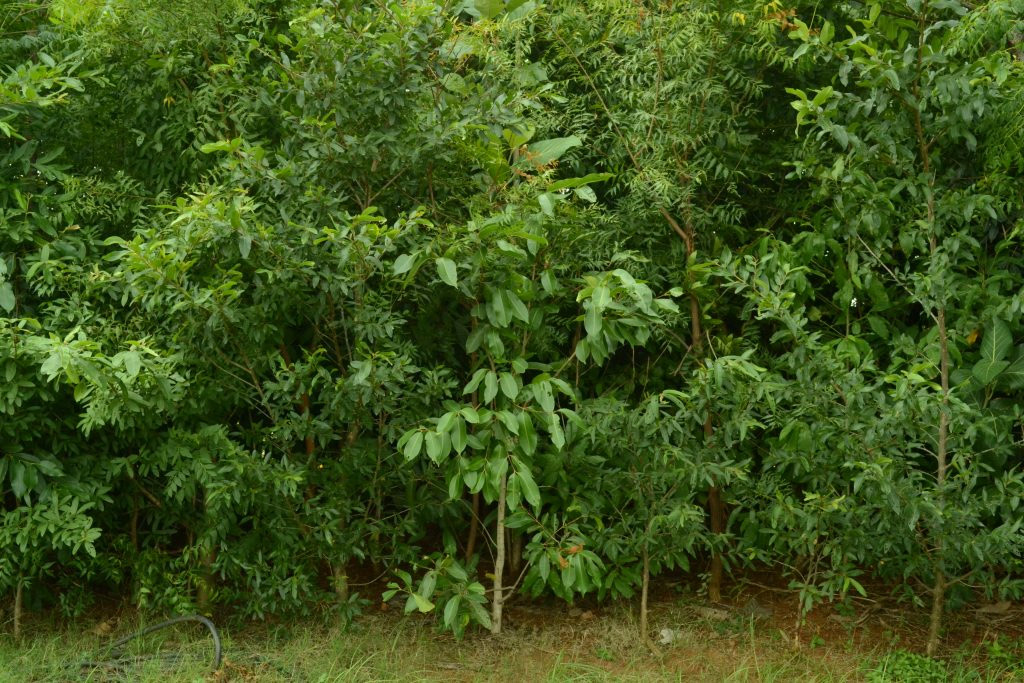
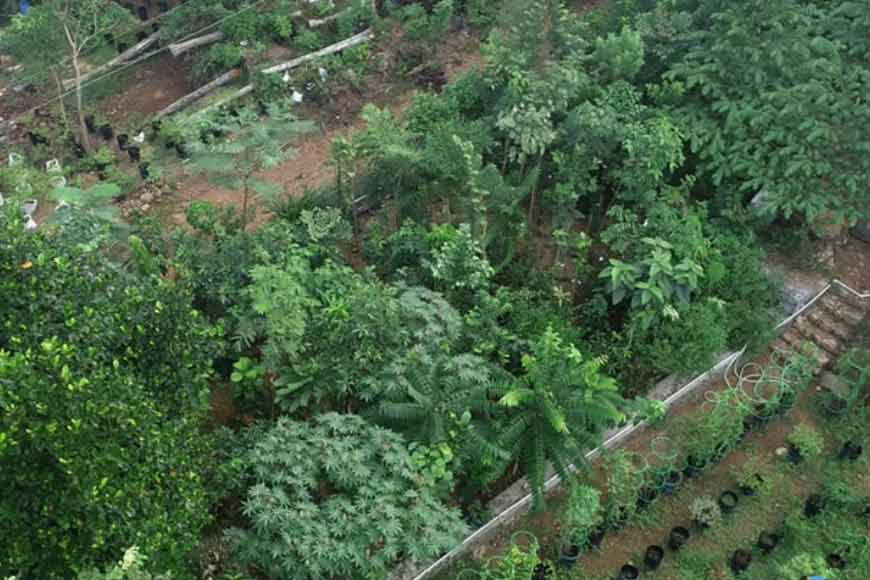
- What Braj Truly Needs: Restoration, Not Imitation
To revive Braj’s ecology, officials and planners must prioritize:
Replacement of invasive species with authentic native flora
Revival of traditional open-canopy groves
Water-sensitive, climate-appropriate planting methods
Trees mentioned in scriptures and associated with Krishna-lila
Long-term ecological restoration over short-term density
Respectful plantation that allows each tree independence and dignity.
Braj does not need the Miyawaki model; it needs the Braj model, deeply rooted in its soil, scriptures, and ecological heritage. The officials of Mathura district, and all agencies involved, must recognize that ecological revival here means restoring Krishna’s ancient forests, not planting artificial micro-jungles.
In Braj, every tree is a sadhu.
They deserve space, respect, and freedom—
exactly the way Braj’s forests existed in the time of Shri Krishna.