28th September, 2025 (Vrindavan Today News): Mining in the Aravalli mountain range has caused irreparable damage to the cultural and archaeological heritage of Fatehpur Sikri. Although the Supreme Court imposed a complete ban on mining within a 10-kilometre radius of Fatehpur Sikri more than two decades ago, extensive damage had already been done by then. Today, of the historic Sikriwar Fort, only its main gateway remains, suspended on the hillside, while not a single stone of its walls has survived.
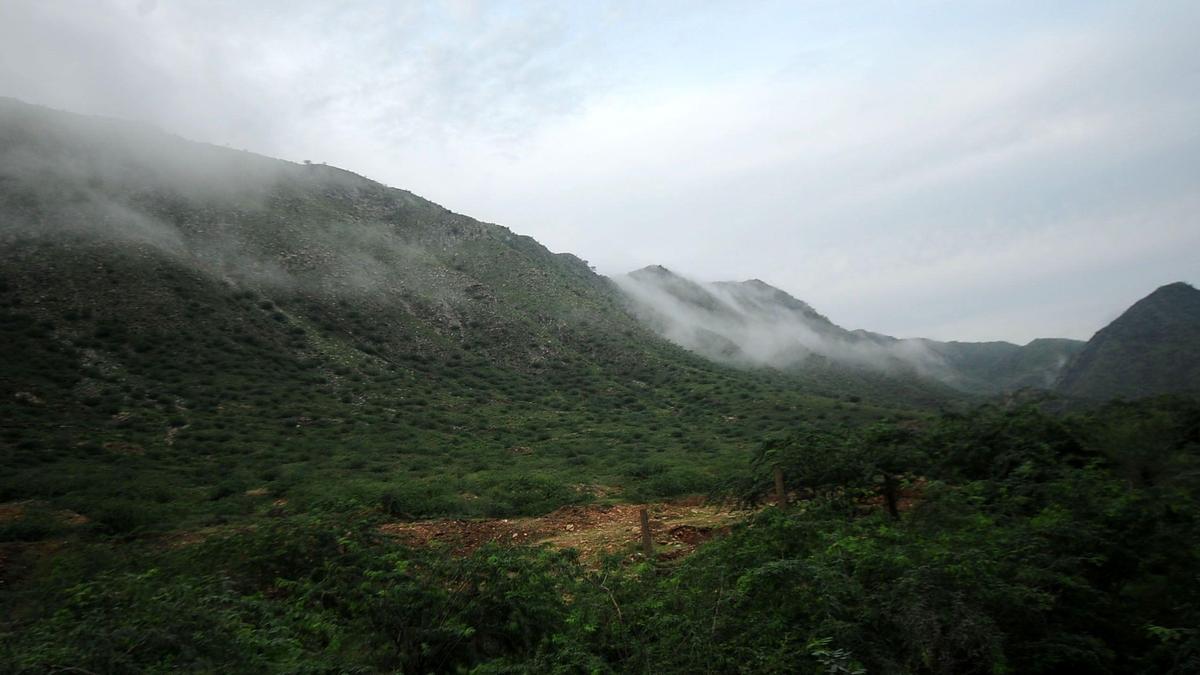
Following Supreme Court directions, the Ministry of Environment has placed restrictions on mining leases in the Aravalli region. The Aravalli hills extend across Fatehpur Sikri, Jagner, and Kheragarh areas of Agra district. Environmentalists across the country have repeatedly raised concerns over the destruction caused by unchecked mining in this ecologically and historically sensitive zone.
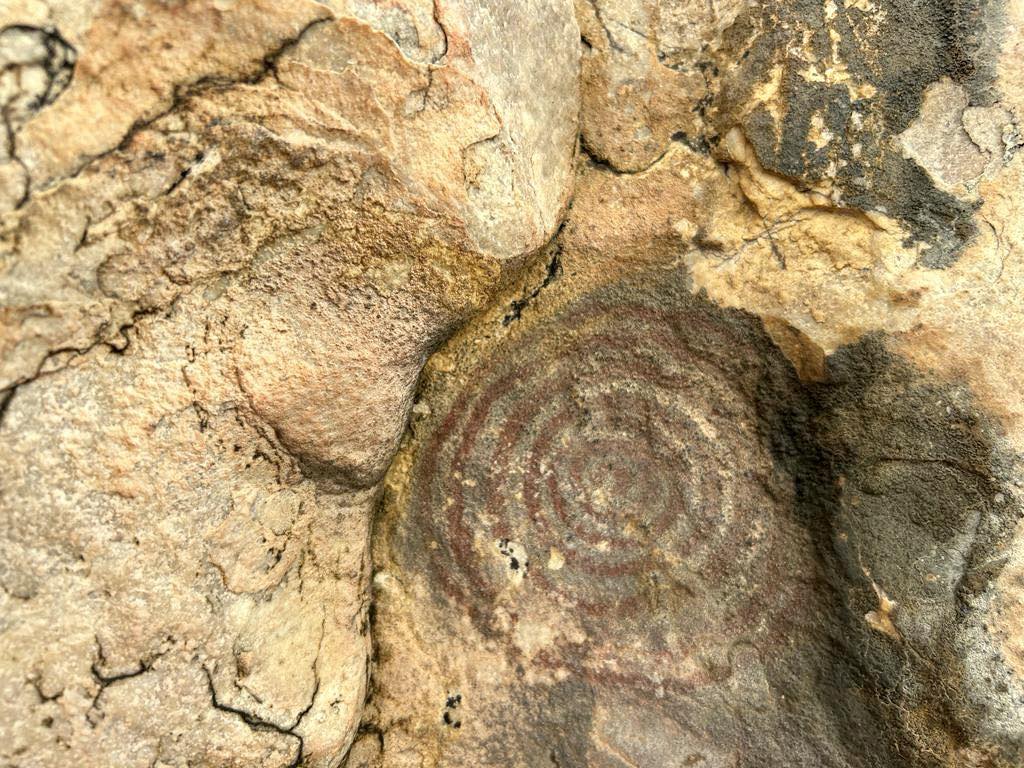
Prehistoric Rock Paintings Lost
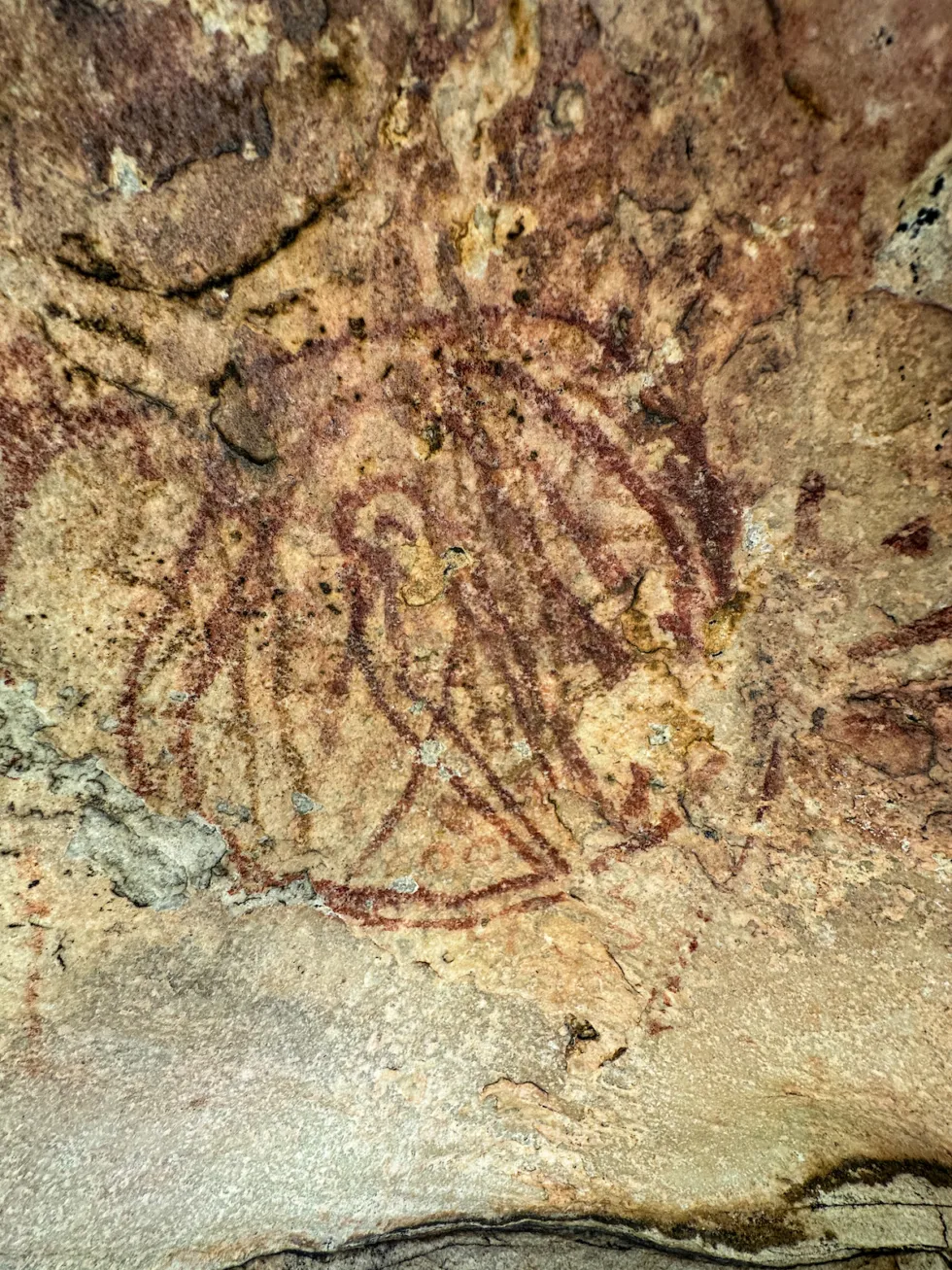
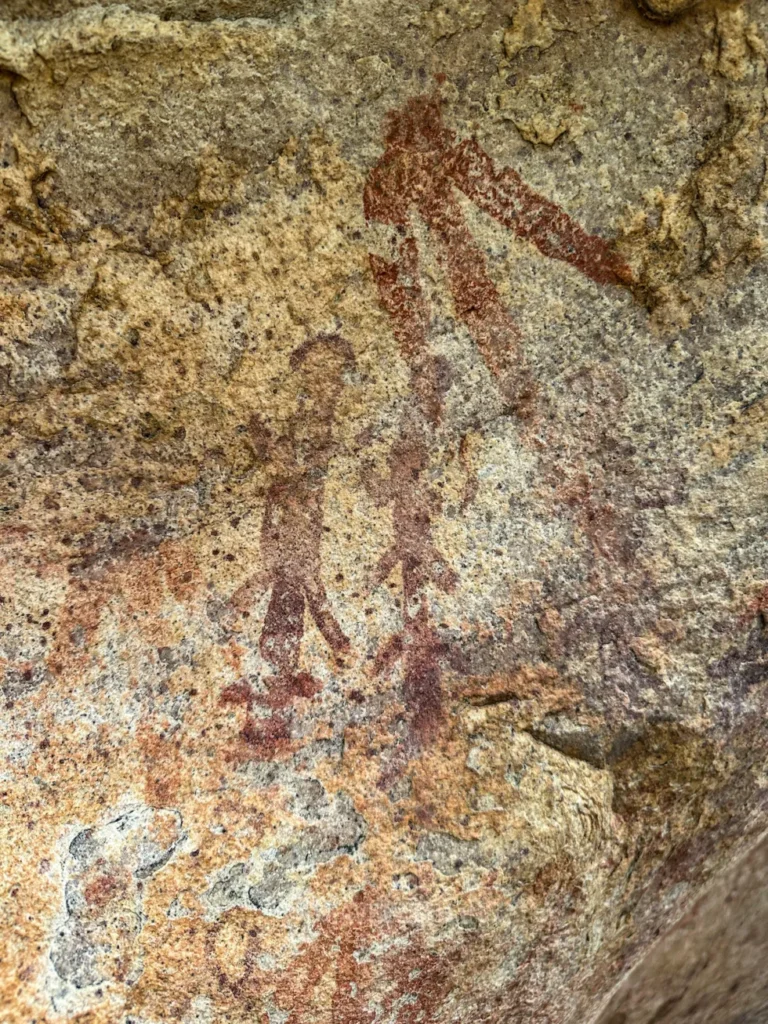
In villages such as Rasulpur, Patsal, Char Hissa, Mandi Gud, Madanpur, and Jajauli, most of the prehistoric rock paintings found in the Aravalli hills have been destroyed due to mining activities. Only a few fragments of these invaluable artworks now survive.
Before the Mughal era, Fatehpur Sikri was home to the Sikriwar Rajputs, who had established a fortified settlement here. Their fort, located near the present entrance to Fatehpur Sikri, was completely demolished due to mining. What remains today is only the fort’s gateway, precariously standing on the mined hill. Dr. Devashish Bhattacharya of Agra has consistently raised a strong and informed voice for the protection of ancient rock paintings, underscoring that the Aravalli range is not merely a chain of hills but a living archive of India’s earliest cultural and ecological heritage. His concern also draws attention to the lesser-known yet significant rock paintings found around Fatehpur Sikri, which further establish the region as an important prehistoric cultural zone. Talking to ‘Vrindavan Today’ Dr. Bhattacharya said, “Protecting the Aravallis is therefore vital, not only to safeguard these invaluable rock artworks, from the hills to Fatehpur Sikri, but also to preserve the fragile landscape, biodiversity, and water systems that have sustained civilization here for millennia.
Supreme Court Ban Came Too Late
The Supreme Court first intervened nearly 21 years ago to halt mining in the Aravalli hills of Agra. Acting on a petition filed by farmer Mahendra Singh of Fatehpur Sikri, a bench comprising Justice S.N. Variava and Justice A.K. Lakshmanan on December 18, 2004, imposed a complete ban on mining within a 10-kilometre radius of Fatehpur Sikri.
However, by that time, the damage was already extensive. The Sikriwar Fort and most of the rock paintings had been destroyed. Mining had also led to the collapse of the historic Hakim House, while cracks began appearing in several monuments of Fatehpur Sikri. Mining operations were carried out dangerously close to the city’s protective walls and gates. Even after the court order, mining reportedly continued for some time, further endangering the UNESCO World Heritage Site and its surroundings.
Lack of Protection for Remaining Heritage
Two years ago, the Archaeological Survey of India (ASI) sent a proposal to its headquarters seeking protection for the remaining rock paintings. However, no formal notification has been issued so far, leaving the surviving heritage vulnerable.
Evidence of a Pre-Mughal City
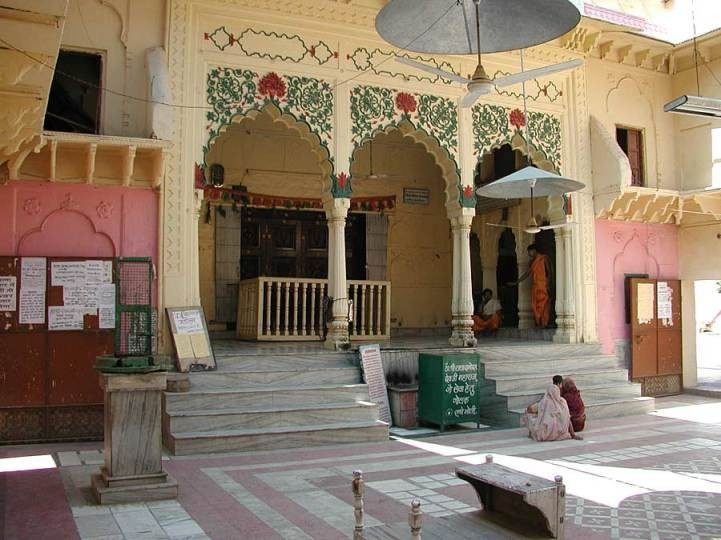
Archaeological discoveries reinforce the antiquity of Sikri. Jain idols dating back nearly a thousand years were unearthed at the Bir Chhabili mound in Sikri. Subsequent research revealed that before the Mughal period, a prosperous city known as Vijaypur Sikri existed here, founded by the Sikriwar Rajputs. In front of the Sikriwar Fort stood a temple of Goddess Kamakhya.
During the Battle of Khanwa, Sikri was ruled by Raja Dhamdev. After his defeat, he migrated to Gahmar in Ghazipur, taking the idol of Goddess Kamakhya with him. Despite the site not being officially declared a protected monument, former ASI Superintending Archaeologist K.K. Muhammad ensured the conservation of a well and a temple during his tenure.
A Vanishing Legacy
The destruction of the Aravalli hills around Fatehpur Sikri is not merely an environmental issue—it is a cultural tragedy. The loss of prehistoric rock art, the near-erasure of the Sikriwar Fort, and the damage to historic structures highlight the urgent need for stricter enforcement of court orders and immediate protection of whatever heritage still survives.