By Brij Khandelwal
January 19, 2025
In North India, the veil (Ghoonghat) is more than a tradition; it is a question mark placed over a woman’s very identity. This is the story of a silent revolution, the journey of one woman from a muffled existence to quiet liberation, where education and self-worth finally dismantled the barriers of the cloth.
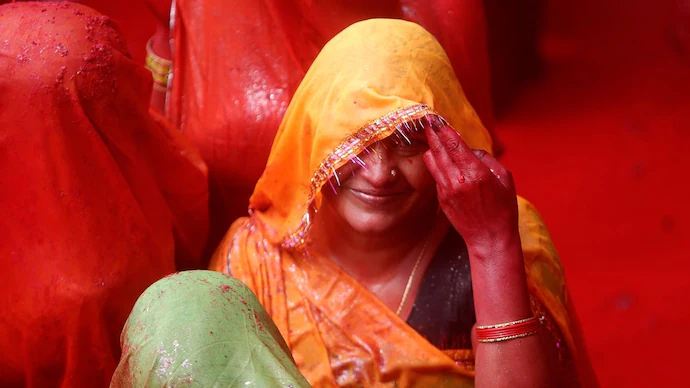
In the dust-blown lanes of a village in Prayagraj, Uttar Pradesh, 18-year-old Sunita Rani (name changed) arrived as a bride. Her world was suddenly viewed through the translucent red of a wedding veil. Having just stepped away from the threshold of her school, she entered a reality where tradition was synonymous with invisibility.
That morning, the village didn’t see a face; they saw a veil. Her name dissolved into the generic title of “Bahu” (daughter-in-law). Her life became a series of constraints: head covered, eyes downcast, and tongue tied. The Ghoonghat was not merely fabric; it was a social mandate. Do not look, do not speak, do not move without permission. They called it “modesty,” but for Sunita, it was a slow suffocation.
The veil did more than hide faces; it erased personalities. At weddings, brides became indistinguishable. In crowded markets, women would lose their way and sometimes, themselves. History is littered with the tragicomedies of this practice: a man divorcing his wife for failing to veil, or a woman boarding the wrong bus and ending up in a strange village because she couldn’t see the world clearly.
While society dismissed these incidents as “culture,” Sunita clung to the memory of her school days, where her teachers called her “sharp and bright.” That internal spark refused to go out.
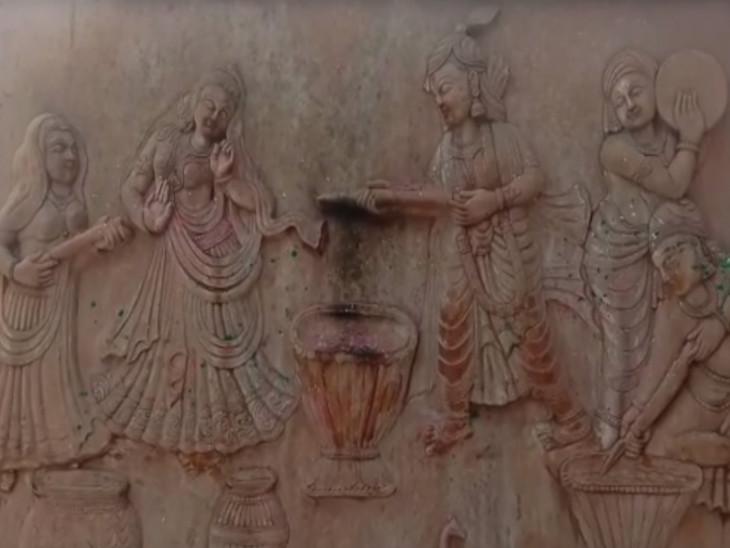
Historical records suggest the Ghoonghat is not an ancient Indian tradition. In the sculptures and scriptures of antiquity, especially in the South and East, women appear without veils. The practice likely took root under Persian and Mughal influences, eventually being co-opted as a symbol of status and patriarchy.
Great reformers saw through it. Mahatma Gandhi labeled the Purdah system “inhuman,” calling it a hurdle to true independence. The socialist thinker Dr. Ram Manohar Lohia demanded its end, citing it as a mark of backwardness. Yet, the custom persisted because silence always serves those in power.
Sunita’s liberation began with a book. Despite the taunts, “What will she do with an education?” she finished her studies. In 2018, she became an ASHA worker.
At first, she worked from behind her veil, going door-to-door to discuss vaccinations and maternal health. But as she began to fill registers, answer the questions of doctors, and earn her own livelihood, her confidence grew. Knowledge brought courage; work brought respect.
Slowly, the veil began to slip, first in professional meetings, then on the village paths, and finally, within her own home. There were no loud protests, just the quiet resolve of a woman who had found her voice. The same elders who once chided her now sought her advice on health. Other women in the village began to loosen their own veils, not out of rebellion, but for the simple comfort of breathing free.
A New Dawn
While the veil still hangs in many homes under the guise of “honor,” the grip is loosening. Modern cinema, from the melancholy of Pakeezah to the satirical brilliance of 2023’s Laapataa Ladies, has begun to dismantle the veil’s logic.
Today, a new generation of women walks with their heads held high. There is a glint of fire in their eyes and a steady confidence in their stride. Their daughters are watching, dreaming of a world where they aren’t hidden away. Change hasn’t come with a roar; it has arrived through the steady drip of education, law, and social awareness.
When a woman lifts her veil and refuses to remain invisible, a new morning truly begins.