Vrindavan Today | By Brij Khandelwal
18 April 2026, Mathura: Those were the days! As the fierce North Indian sun finally slipped away, painting the sky in soft purple, something beautiful happened in every home. The day’s heat began to fade, and the real heart of the house moved upstairs, to the chhat, the terrace.
Back then, before tall concrete buildings and humming air conditioners took over our lives, the terrace wasn’t just a roof. It was our evening sanctuary, an open-air living room where families came alive under the stars.
The ritual started every late afternoon. Someone would splash water on the hot stone floor, the chhidkaav. That familiar sizzle filled the air with the sweet, earthy smell of wet earth after rain. In seconds, the terrace felt cooler, fresher, and ready for the night.
Then the whole family joined in. Out came the lightweight wooden charpais , those simple string beds we all loved. They were dragged into neat rows, covered with clean cotton sheets that felt wonderfully cool against sweaty skin. Under each pillow went a handmade pankhi, the frilly fan, just in case the breeze took a break.
As darkness settled in, the terrace turned into something special , a place for real connection. No phones. No TVs. Just people looking up at the sky together.
Kids would lie flat on their backs, giggling as they counted stars or tried to trace the glowing path of the Milky Way, which we called Akash Ganga. Grandparents told old stories, full of kings, ghosts, and family tales from long ago. Their voices mixed with the warm night air, wrapping everyone in comfort.
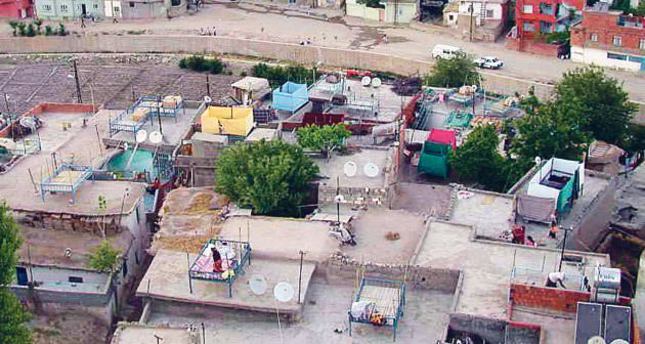
The best part? The terraces were so close that walls between houses felt almost imaginary. A low parapet was all that separated neighbours. Someone would call out a recipe tip, crack a joke, or simply ask how the day went : and their voice would carry across three or four rooftops. Laughter and conversations floated freely, turning the entire neighbourhood into one big, friendly gathering.
Dinner on the terrace was simple but felt like a celebration. Families sat cross-legged on the charpais, enjoying light dal, cooling sabzis, and the real treasures of summer , chilled kharbujas (muskmelons) and sweet, juicy aams (mangoes). The fruits had been soaking in cold water for hours, and when you bit into them, the sticky sweetness was pure happiness.
In the background, a small battery-operated transistor radio played softly. Whether it was the evening news on Akashvani or Mohammad Rafi’s soulful voice singing an old classic, the music didn’t stay with one family. It drifted across the rooftops, becoming a shared soundtrack for the whole mohalla.
This was terrace life in places like Agra, Delhi, Lucknow, and small towns across Uttar Pradesh. Rooftops sat shoulder to shoulder. Neighbours could wave, share the same breeze, and look at the same blanket of stars.
It wasn’t always easy. Some evenings carried heavier memories. In the years after Partition, an elderly grandmother might insist on sleeping on the terrace just to catch a distant glimpse of her old haveli. For her, the open sky brought peace and a quiet connection to the past that closed rooms couldn’t offer. The family would gather around her, finding comfort together under the vast night.
But most nights were lighter and full of life. Children ran barefoot across the flat roofs, flying kites during the day and chasing fireflies after sunset. Young couples found their own little privacy , a quick step across a low wall, a whispered conversation, or a stolen glance that felt exciting and safe at the same time.
Bollywood captured this world beautifully. Remember the longing looks across neighbouring terraces in Ek Duuje Ke Liye? Or how friendship and quiet affection grew on the interconnected rooftops in Delhi-6? Even in films like Masaan, Manmarziyaan, and Vicky Donor, the terrace became the perfect stage for tender moments, honest talks, and young dreams. The open sky gave romance room to breathe, away from the noise and watchful eyes downstairs.

Vishwas sir, a senior citizen who grew up with these nights, remembers it fondly:
“After dinner, as the sky turned deep indigo, we’d all climb up. Grandmothers fanned themselves with pankhas, fathers shared old stories, mothers hummed lullabies, and children pointed excitedly at the stars. The same hot wind that bothered us all day now felt gentle. You could smell jasmine from someone’s courtyard, hear a temple bell or the azaan in the distance. Neighbours’ laughter and soft singing floated across the gaps. Young lovers would pretend to adjust the charpai or gaze at the sky, stealing a few private words no one below could hear.”
Usha dadi adds with a warm smile: “The terrace turned every ordinary home into an open-air theatre of real feelings, joy, sorrow, longing, and belonging.”
Those summer nights had a special kind of magic. No air conditioners buzzing. No blue glow from screens. Just the endless star-filled sky, the occasional shooting star that made everyone go “ooh!” together, and the peaceful rhythm of a family breathing and drifting off to sleep side by side.
The hot Loo wind that defined our summers became, by night, a soft lullaby.
Today, life has changed. Most families stay indoors with their ACs running. High-rises and security worries mean the old collective terrace migration rarely happens. Monkeys have also become bolder, making it risky to leave beds or food outside.
We’ve gained comfort and convenience, no doubt. But we’ve also lost something precious, those forced, beautiful moments of looking at each other, talking without distractions, and feeling deeply connected to our neighbours and our surroundings.
The terrace era taught us that sometimes less is more. Without gadgets and closed walls, we truly saw one another. We belonged.
Even now, the memory stays warm in our hearts. Those rooftops weren’t just places to sleep ; they were extensions of our living rooms, where community, nostalgia, and quiet romance lived together under the wide North Indian sky.