

The quiet soul of Braj is fading beneath noise, concrete, and commerce
By Brij Khandelwal / Vrindavan Today News
May 10th 2026: Once upon a time, Vrindavan was not a destination. It was a feeling.
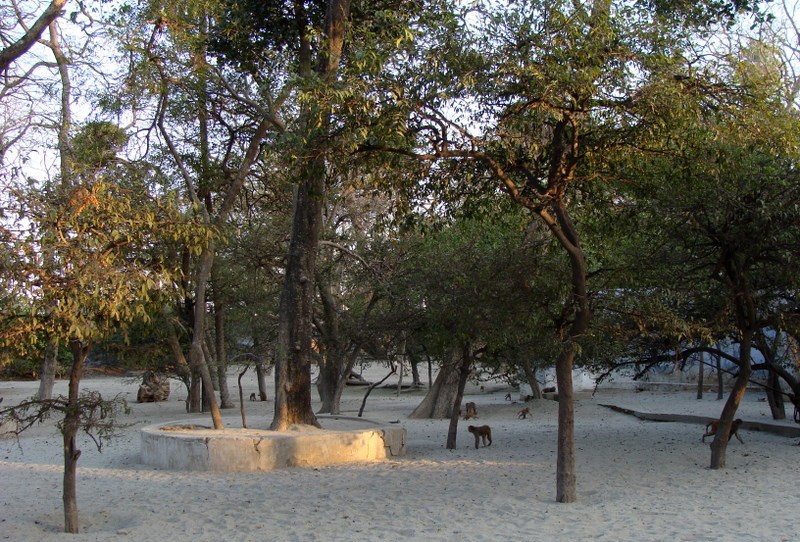
Dust rose gently from nBy Brij Khandelwal / Vrindavan Today Newsarrow paths. Kadamba trees leaned like silent witnesses. The Yamuna River flowed with a slow, sacred rhythm. Somewhere in that stillness, if you paused long enough, you could almost hear a flute.
Today, you hear horns.
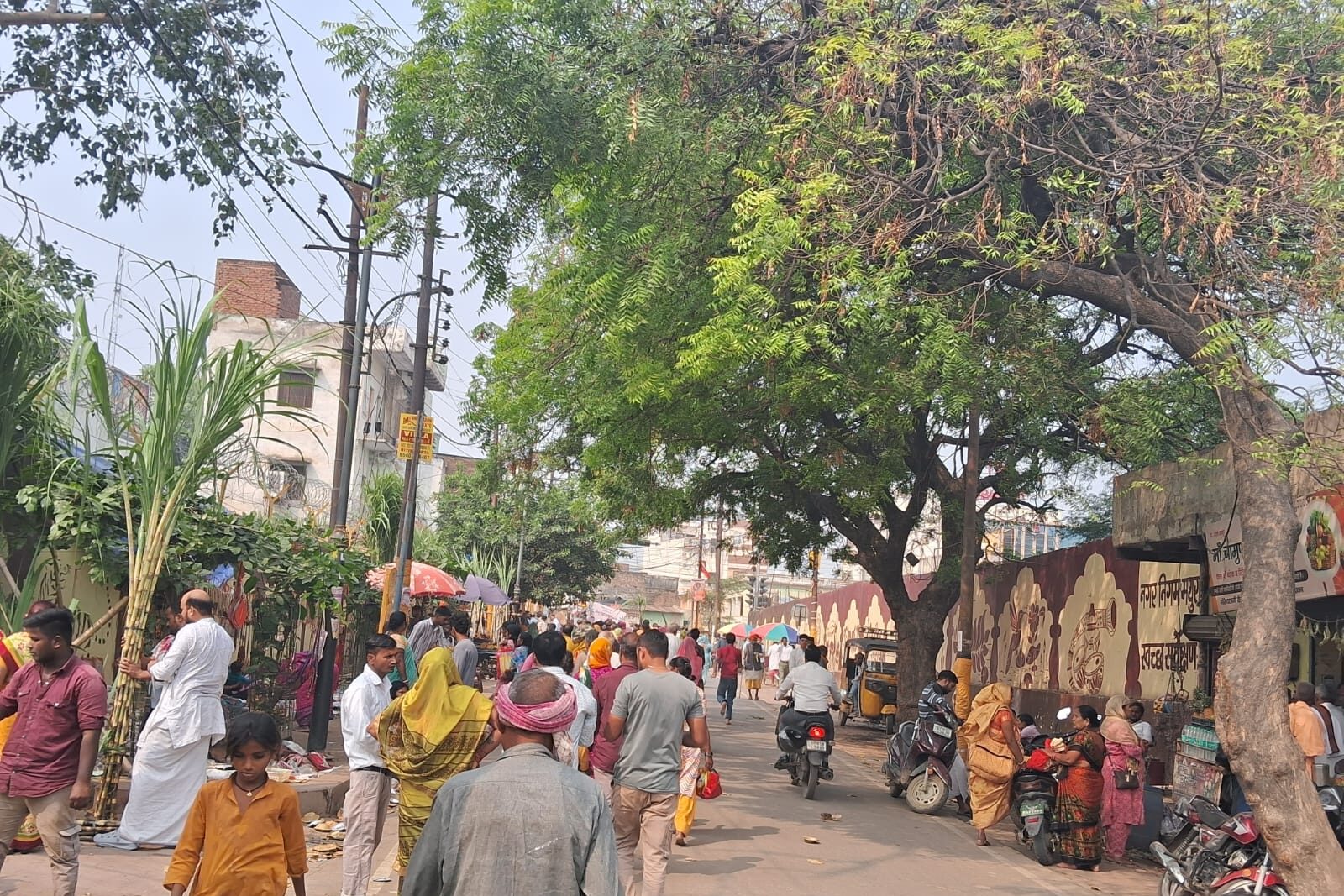
What stands before us now feels like a different city. Hotels crowd the skyline. Traffic chokes the lanes. Selfie sticks rise where folded hands once did. Devotion has not disappeared, but it is struggling to breathe under the weight of tourism.
So the question hangs heavy: is this still the land of Radha Krishna, or has it become a marketplace where faith is packaged, priced, and sold?
There was a time when people came here to surrender. Now they come to consume. Then, pilgrims sought saints. Today, they follow tour guides. Silence has given way to spectacle. Peace has turned into performance.
And somewhere in that transition, something sacred has been lost.
The push to turn Vrindavan into a major tourist hub may look like development on paper. But in spirit, it feels like a slow erosion, almost a cultural amputation. The ancient texts describe Braj Bhoomi as a land of forests, ponds, groves, and grazing cows. A place where nature and devotion lived in harmony.
That vision now feels like a memory fading too fast.
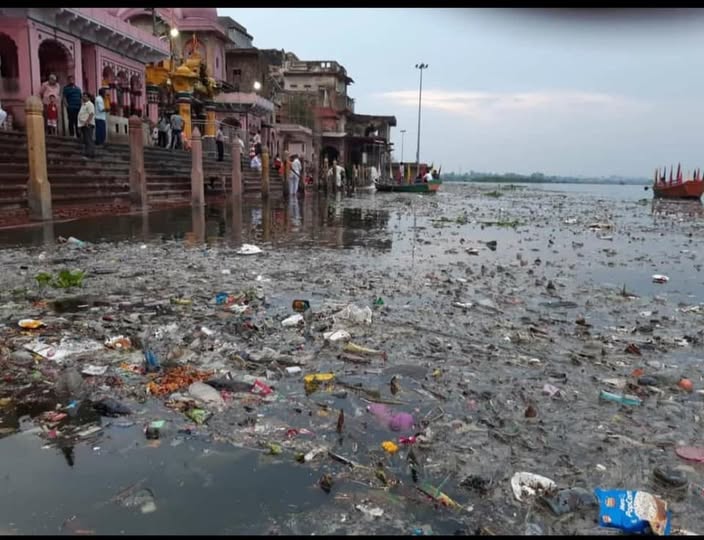
Each year, millions arrive. During peak festivals, the numbers swell into overwhelming crowds. The strain shows everywhere. Plastic waste gathers along ghats. Sacred ponds choke on neglect. Offerings wrapped in synthetic packaging float in polluted waters.
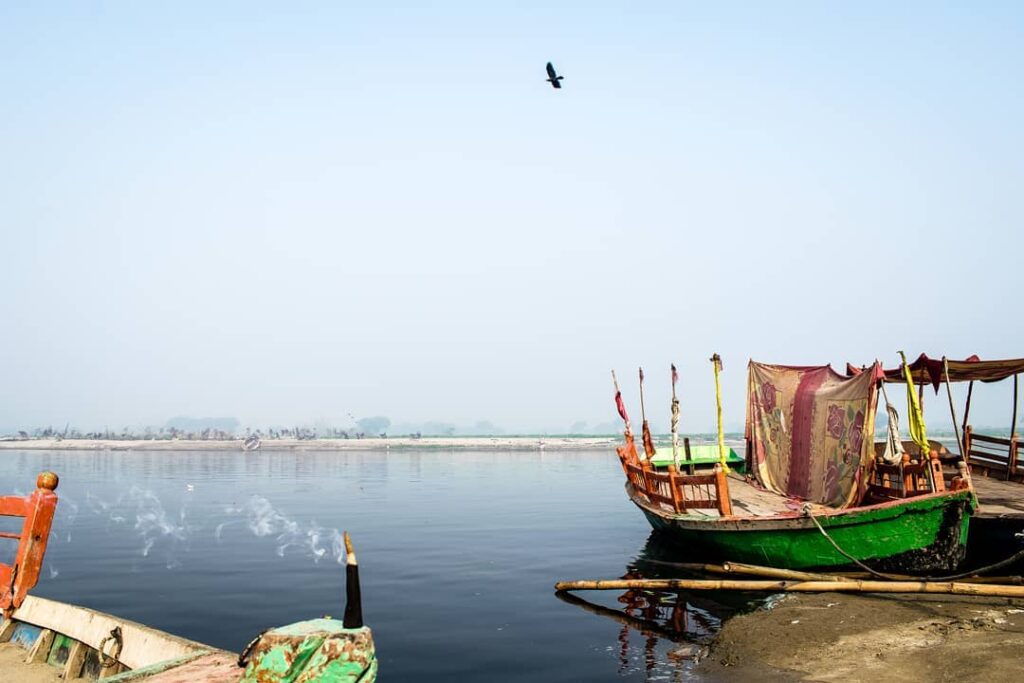
The Yamuna, once central to the spiritual life of Braj, now tells a painful story. High pollution levels, untreated sewage, and dangerous bacterial contamination have made its waters unsafe. At places like Keshi Ghat, the river no longer invites devotion, it raises concern.
Even boat rides, marketed as serene spiritual experiences, have turned into hazards. Overcrowding and poor regulation have led to tragic accidents. Faith, in these moments, meets negligence.
What we are witnessing is not purification. It is cosmetic beautification layered over deep neglect.
The damage is not just environmental. It is deeply cultural.
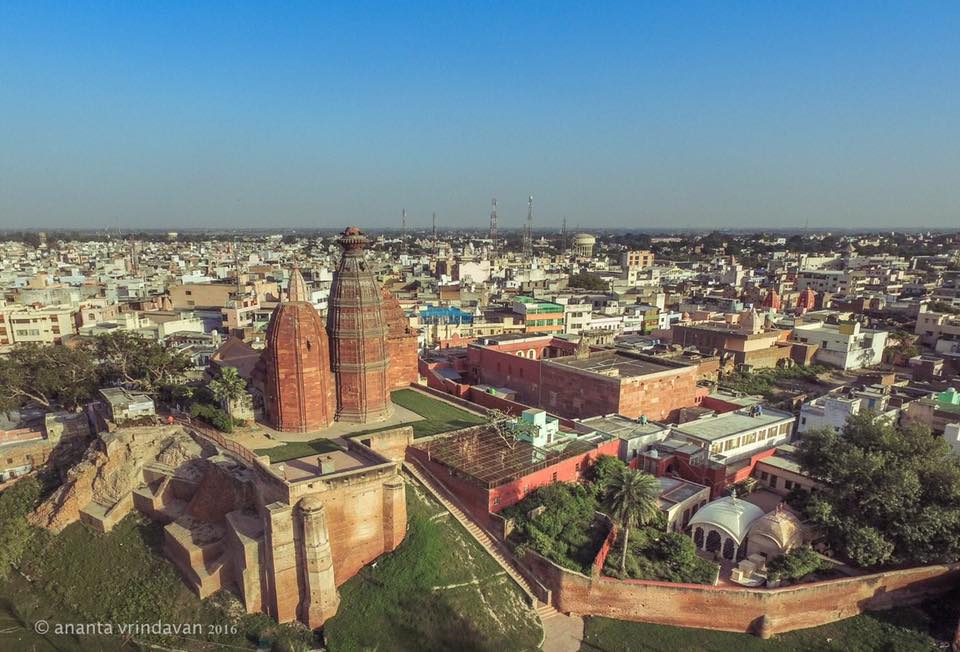
The forests that once defined Braj are shrinking. The narrow lanes of leelas, where legends say divine pastimes unfolded, are now hemmed in by concrete. Towers rise where groves once stood. The skyline grows, but the soul shrinks.
Vrindavan houses thousands of temples within a small geographic area. Its carrying capacity has long been exceeded. Traffic roars through sacred spaces. Air quality dips. Noise becomes constant. Residents who once lived in a tranquil spiritual town now find themselves in an urban chaos they barely recognize.
Meanwhile, land prices have skyrocketed. Between 2020 and 2025, values surged dramatically, driven by aggressive real estate development. The builders’ lobby has found fertile ground here.
And with that, a quiet displacement has begun.
Local residents are being pushed to the margins. Outsiders dominate the property market. The economy that tourism brings is uneven, seasonal, fragile, and often exploitative. The benefits rarely reach those who have lived here for generations.
In this rush, even spirituality has been commercialized. “Instant moksha” is sold like a product. Some self-styled godmen thrive on emotion and ignorance. Faith becomes transaction. Devotion becomes display.
But perhaps the deepest wound is invisible.
The language of Braj is fading. Younger generations drift toward English-medium education, leaving behind a rich cultural voice. Traditional music, dance, food, and attire are quietly changing.
This is the land that once echoed with the verses of Surdas, that was sanctified by Chaitanya Mahaprabhu, and shaped by thinkers like Vallabhacharya.
Today, that legacy feels diluted.
Gurukuls struggle to survive. Cultural preservation receives little attention. Development bodies, meant to protect this heritage, are often accused of inefficiency and corruption. Projects are launched, but rarely with a holistic vision. Riverfront beautification happens without fixing the river itself.
It is like decorating a wound instead of healing it.
The irony is striking.
In ancient understanding, Braj’s strength lay in its simplicity. Its “backwardness” was not a flaw, it was its essence. The absence of excess, the closeness to nature, the rhythm of rural life, these were not obstacles to development, but its true form.
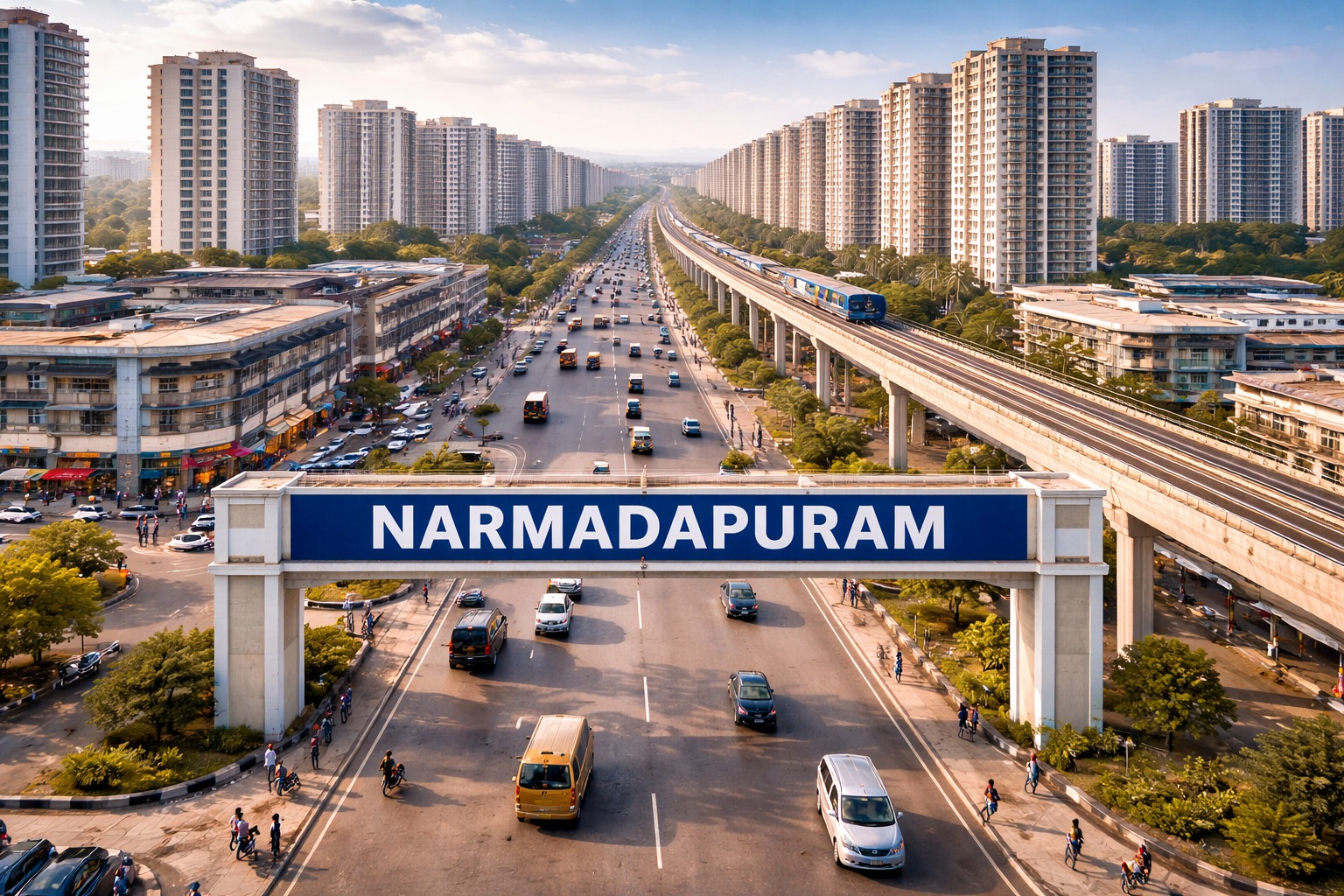
Today’s model reverses that idea. High-rises replace trees. Highways cut through sacred geography. Malls mimic modern cities. But in doing so, they strip away what made Vrindavan unique.
This is not progress. It is erasure.

So what must be done?
Saving Braj is not about rejecting development. It is about redefining it.
The Yamuna needs real cleaning, not symbolic gestures. Ponds must be restored. Forest cover must be protected and expanded. Crowd management should be strict, especially during peak seasons.
Local culture deserves active promotion, language, arts, traditions. The unchecked power of real estate interests must be curbed. And governance must shift from profit-driven planning to preservation-first thinking.
Because once a place like Vrindavan loses its essence, it cannot be rebuilt.
A final question lingers.
When we turn a sacred space into a commercial hub, what are we really selling? And at what cost?
Are we, knowingly or unknowingly, putting a price tag on the divine? Are we burying Radha’s gardens under concrete and calling it growth?
If we do not pause now, future generations will inherit a version of Braj that looks impressive, but feels empty. They will see temples, but miss the tranquility. They will find crowds, but lose connection.
They will never know the real Vrindavan.
And that would be the greatest loss of all.
This is not just an environmental issue. Nor merely a cultural one. It is a moral responsibility.
Save Braj. Save its silence. Save its soul.
Before it slips away completely.
because your radha never existed there its gopis and krishn not radha .