The Shop Below, the Home Above
By Brij Khandelwal / Vrindavan Today News
28 April 2026: It is more than a simple rhyme. “The shop below, the home above” captures the living philosophy of traditional Indian urban life , an organic harmony where commerce and domesticity shared the same roof. In the bustling bazaars of old cities, families operated as both shield and engine of small trade. Children absorbed the rhythms of customer interaction, women balanced household duties with business acumen, and elders lent their wisdom like steady lamplight at dusk. This was no mere economic setup; it forged deep social and emotional bonds, blending livelihood with community in a single, resilient structure.
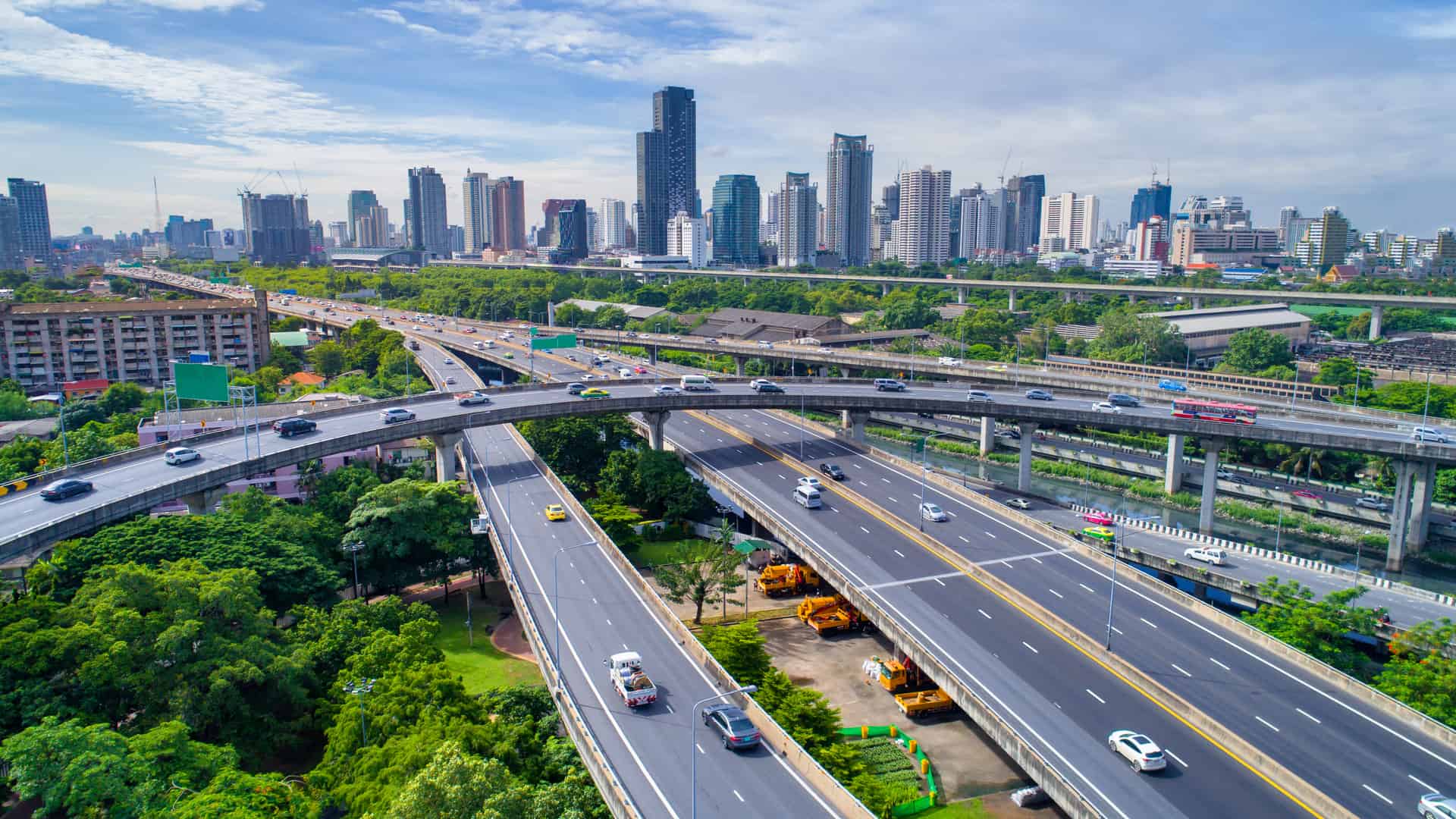
That integrated world is fading. In the rush toward modern urbanization, India largely adopted Western models of strict zoning, separating residential, commercial, and industrial spaces. The result is a daily ordeal of long commutes, choked roads, and fractured social ties. Mornings see families scattered , children racing for school buses, parents trapped in traffic , while evenings bring exhaustion rather than connection. Mobile screens have often replaced conversation around the dinner table.
The costs are visible everywhere: endless gridlock spewing smoke, once-vibrant markets standing isolated beside silent residential colonies, and a rising sense of insecurity. Women hesitate to return home alone after dark; children lack safe, nearby spaces to play; the elderly confront deepening loneliness. What was gained in geometric order has been paid for in human disconnection.
India’s historic cities grew organically along rivers and trade routes. From Delhi’s Chandni Chowk to the lanes of Agra’s Belanganj, Varanasi and Jaipur’s old quarters, people walked short distances, paused for chats in alleyways, and met daily needs without struggle. These “gallis” were not just passages but vibrant social arteries , places of lingering, gossip, festivals, and neighborly trust. Life unfolded in layers: the clatter of shops at dawn, the aroma of home cooking drifting through the afternoon, evenings alive with children’s laughter, haggling customers, and community warmth. The city was less a map than a living relationship.
Post-independence planners, inspired by European modernism, shifted course. In 1950–51, Prime Minister Jawaharlal Nehru commissioned Swiss-French architect Le Corbusier to design Chandigarh as a symbol of a new, ordered India , free from the perceived chaos of the past. The city was divided into self-contained sectors with wide roads, precise zoning, green spaces, and monumental concrete structures. The layout treated the city like a machine or a human body: head for government, heart for commerce, lungs for parks. It prioritized efficiency, automobiles, and separation of functions over the messy entanglement of Indian daily life.
No corner chai-shop spilled into the street. No temple nestled against a bazaar wall. Home, work, faith, and commerce were kept at a deliberate distance. Chandigarh became a template. Its influence spread to other planned cities and shaped planning norms across India, overlaying rigid European-style zoning onto towns whose pulse had long been walkable and mixed. What evolved organically over centuries was often labeled inefficient or even illegal.
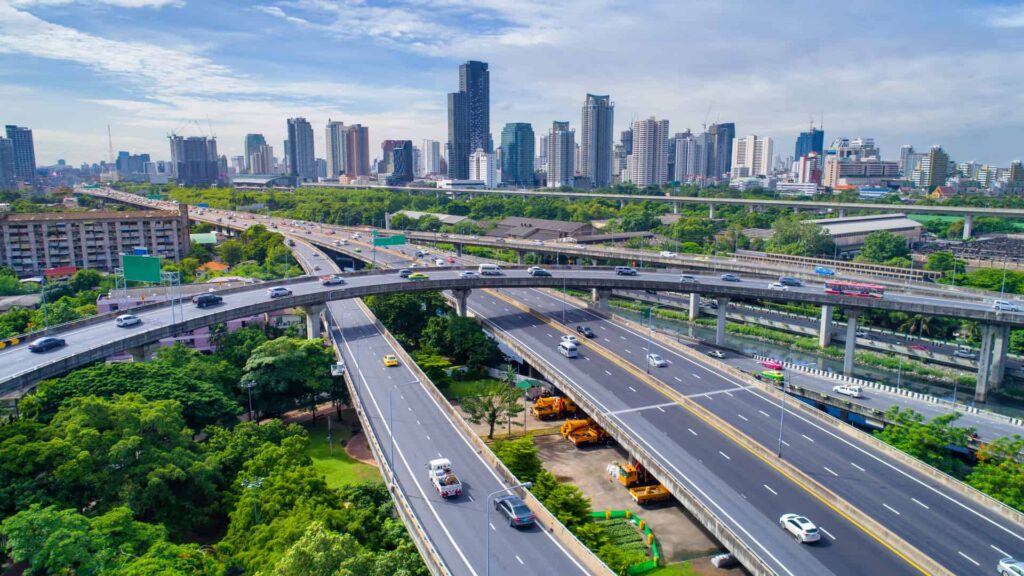
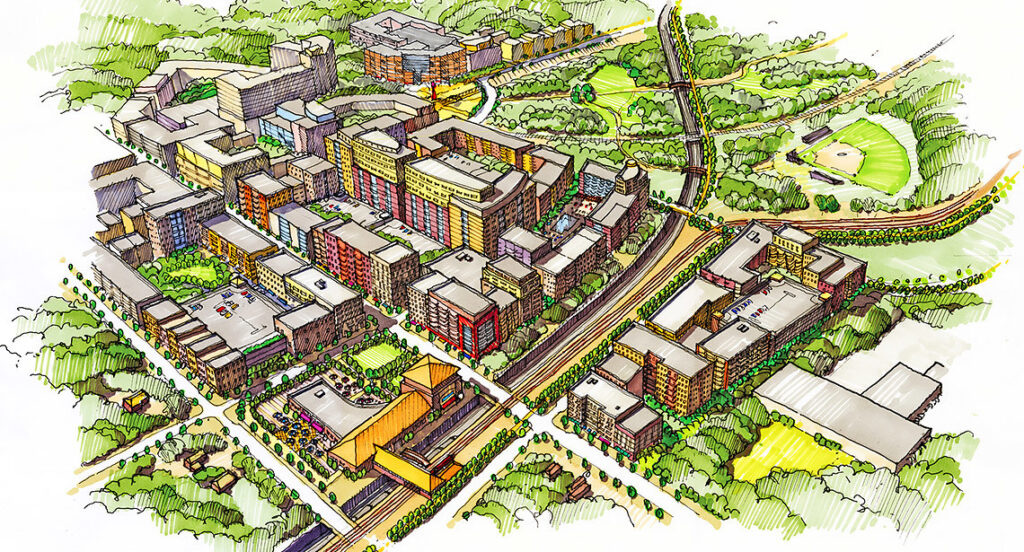
On paper, the sectoral model appears clean and logical. In practice, it fragments the urban fabric. Commuting distances lengthen, vehicle numbers soar, pollution worsens, and human connections weaken. Neighborhood shops , once the heartbeat of community life, offering not just goods but trust, counsel, and familiarity , struggle against distant malls and big brands. Customers become anonymous footfall; relationships shrink to transactions. The personal axis of the local kirana store has been pushed to the margins.
This is more than economics; it is sociology. When markets leave neighborhoods, casual conversation departs too. When work moves far from home, family time contracts. Opportunities to play with children, support elders, or engage neighbors diminish. The surprise that follows — rising loneliness and mental health challenges, should not surprise us. We have designed cities for “users” who consume space and services, not for “inhabitants” who connect, claim ownership, and contribute to the living whole.
The glittering malls with their glass facades, escalators, and air-conditioned uniformity symbolize this shift. They offer convenience and spectacle, yet they come at the expense of small shopkeepers woven into the social fabric. Traditional mixed-use buildings, while sometimes facing practical issues like fire safety in overcrowded old markets, embodied a different vitality.
Critics of strict zoning, have long argued that separating uses leads to car-dependent sprawl, lost community, and inefficient resource use. Mixed land-use, by contrast, can shorten trips, support local economies, encourage walking and cycling, and foster vibrant streets where people meet rather than merely pass through. Many developed countries are now revisiting their own post-war planning mistakes. Trends toward “post-zoning urbanism” emphasize flexible regulations, mixed-use overlays, and neighborhoods where work, home, and services coexist : precisely the pattern that felt natural in pre-modern Indian cities.
Of course, balance is essential. Polluting industries must stay separated for health and environmental reasons. Thoughtful rules remain necessary to manage noise, traffic, and safety. Yet labeling every small home-based enterprise or neighborhood shop as problematic ignores India’s cultural, climatic, and economic realities. Not every mixed-use element threatens order; many can enrich it.
Cities thrive when they are mixed , when streets serve meeting as much as movement, when shops animate neighborhoods, and when homes participate in the commerce of daily life. What India needs today is not merely more concrete or wider roads, but a fresh vision: one that looks beyond imported blueprints to the human scale. A vision that values closeness over distance, relationships over rigid geometry, and the warmth, diversity, and resilience of Indian lived experience.
Planners and policymakers should revisit outdated zoning norms to allow carefully regulated mixed-use in residential areas , enabling small trades, home offices, and local services without compromising livability. Lessons from Chandigarh’s strengths (such as integrated green spaces and walkability within sectors) can be retained while softening its separations. Organic growth in old cities offers clues: narrow, shaded lanes suited to the climate, multi-generational buildings, and economies built on proximity.
Otherwise, Indian cities risk becoming more visually impressive on the surface , larger malls, broader highways, gleaming high-rises , while an inner emptiness grows. We will have constructed impressive urban forms, yet somehow left life itself behind.
The shop below and the home above were never just architecture. They represented a philosophy: that work and family, commerce and community, can flourish together under one roof. Reclaiming that spirit , adapted thoughtfully to contemporary needs , could help restore the soul to our cities.