Three day Balayam ceremony completed under the guidance of South Indian Vedic scholars; seven kilograms of gold to be used in the restoration of the 50 foot sacred pillar
Vrindavan Today | Bureau Report
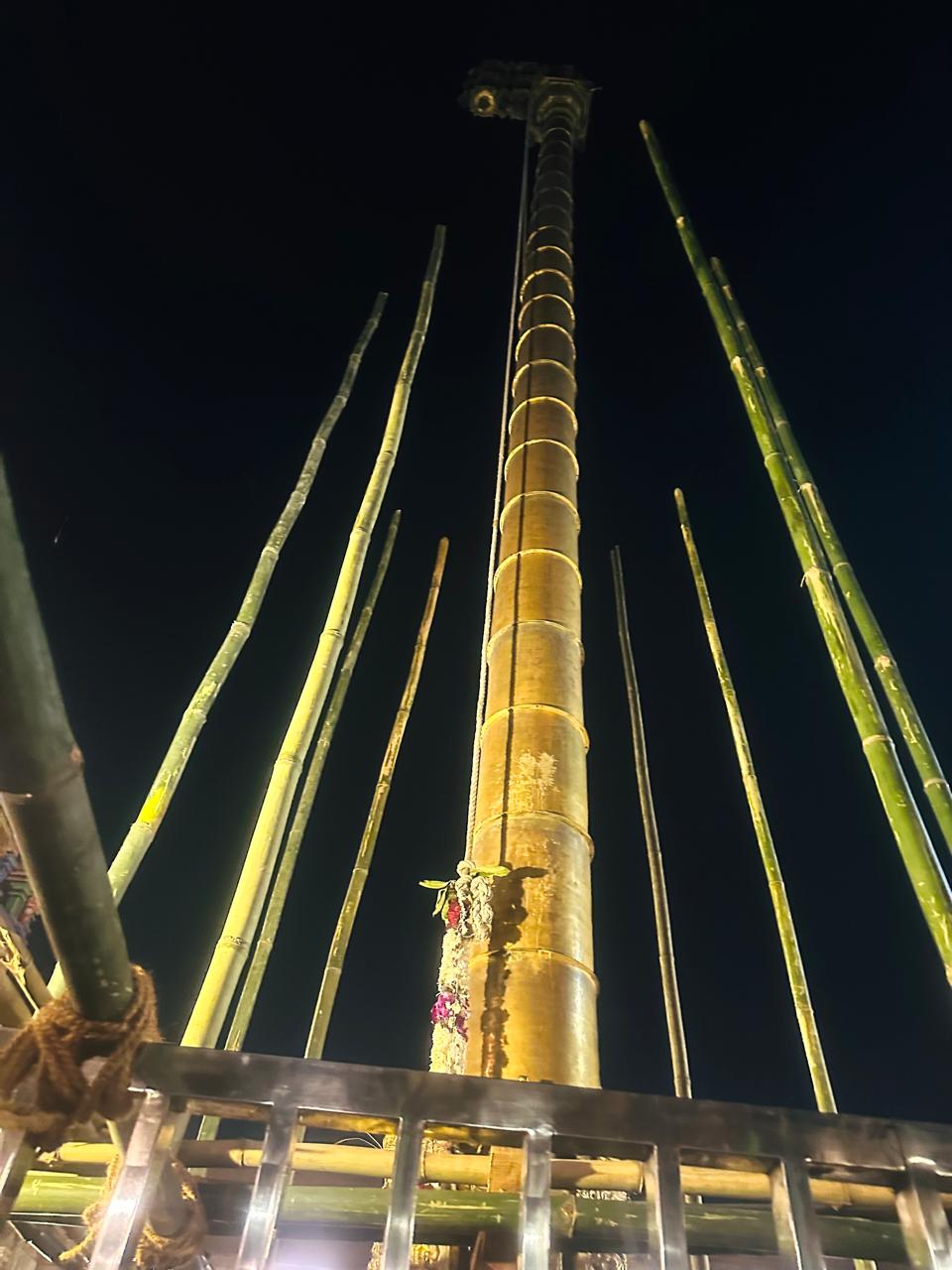
In a rare and sacred undertaking, the Sri Rangji Temple Trust has commenced the restoration of the magnificent Golden Garuda Dhwajasthambham (flagstaff) at the historic Sri Rangji Temple in Vrindavan. Following the completion of a three-day Balalayam ritual, conducted in accordance with ancient Vaishnava traditions under the guidance of learned Vedic scholars from South India, preparations are now underway for the gilding of the sacred pillar.
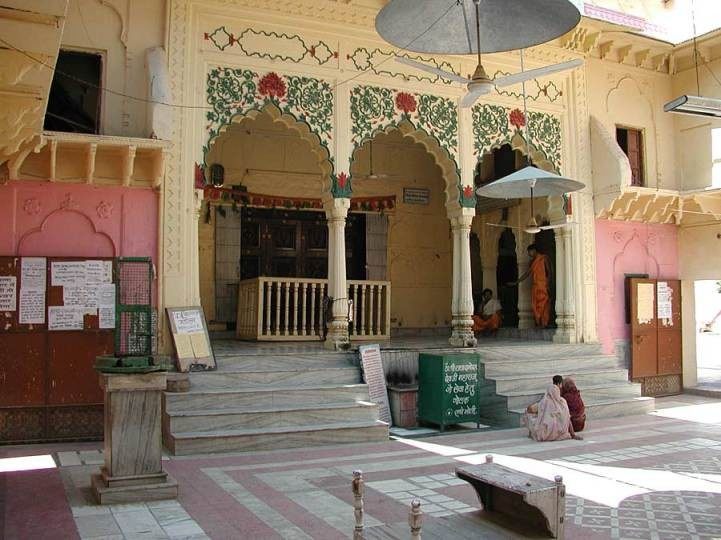
Popularly known among Brajwasis as the Sone Ke Khambhe Wala Mandir (Temple of the Golden Pillar), Sri Rangji Temple is one of the largest and most magnificent temples in North India. Dedicated to the divine couple, Sri Goda Rangamannar, the temple is an important centre of the Sri Vaishnava tradition and is revered as a Divyadesham.
In the Sri Vaishnava temple tradition, the Garuda Dhwajasthambham holds profound spiritual significance. Situated in front of the principal sanctum, it represents the first sacred step towards the divine presence of the Lord. Garuda, the eternal vehicle and devoted servant of Lord Vishnu, symbolises complete surrender, unwavering devotion and service. The Dhwajasthambham thus reminds devotees that the path to the Lord begins with humility and sharanagati (complete surrender).
A 175-Year-Old Heritage Structure
Established in 1851 AD under the guidance of Swami Sri Rangdeshika Maharaj, with the generous support of the family of Seth Lakshmichand and Radha Krishna Jain of Mathura, Sri Rangji Temple represents a remarkable confluence of South Indian temple architecture and the spiritual heritage of Braj.
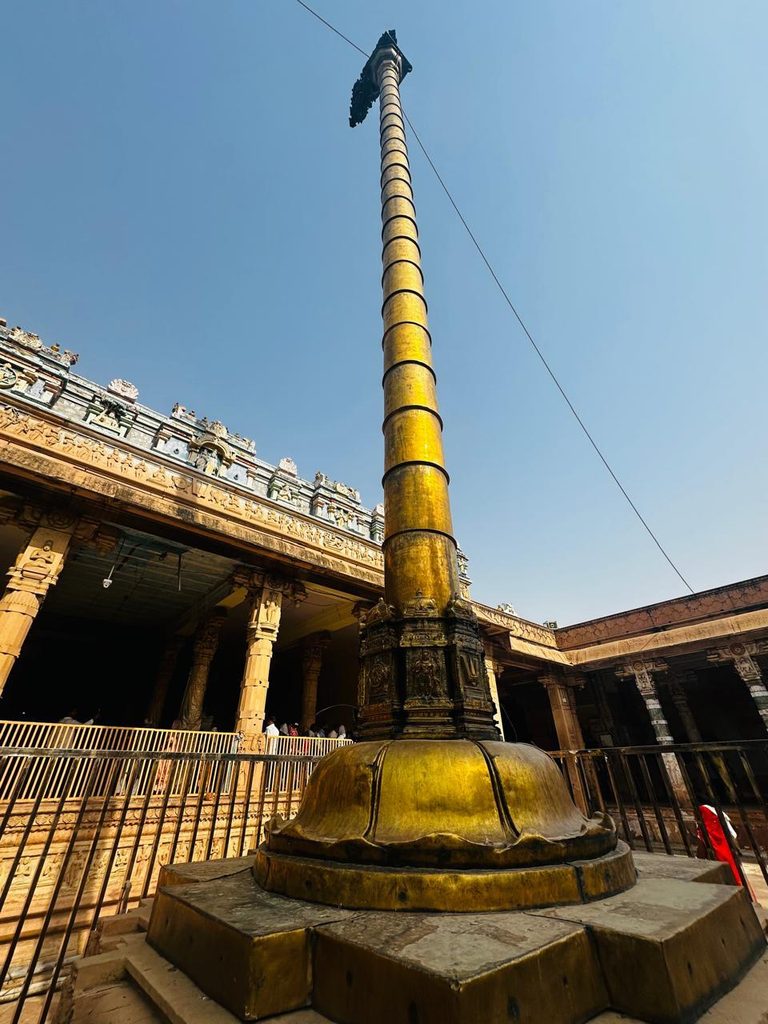
The approximately 50-foot-high Garuda Dwajasthambham, constructed using Sal and Teak wood, stands majestically before the main sanctum of Sri Goda Rangamannar. Its exterior is covered with a gold sheath, giving it its distinctive appearance.
However, prolonged exposure to the elements has gradually caused deterioration of the golden exterior. With the blessings and vision of the temple’s Mahant Shrimad Govardhan Rangacharya, popularly known as Balak Swami Ji, the Trust resolved to undertake its comprehensive restoration, preserving this sacred structure for future generations.
Restoration Begins with Traditional Vedic Rituals
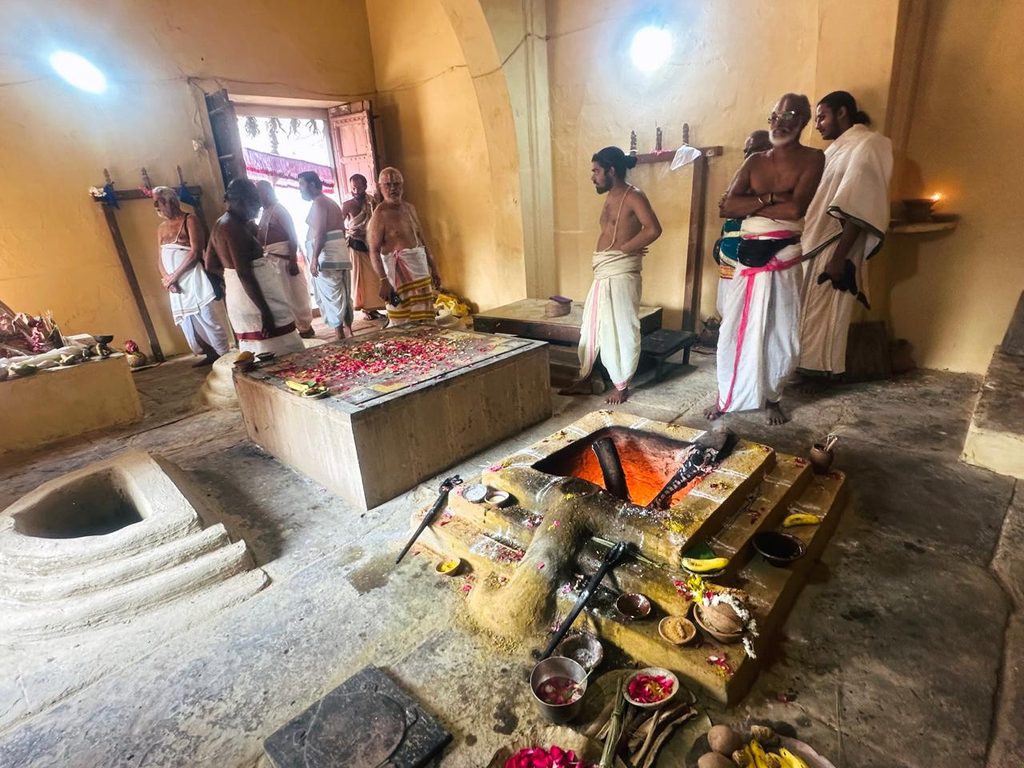
In keeping with the prescribed Agamic and Sri Vaishnava traditions, a three-day Balalayam ceremony was performed by a team of Vedic scholars from South India.
The elaborate ritual began with Ankurarpanam, invocation of the deities, Garuda Shanti and Sudarshana Havan. Through these sacred ceremonies, the spiritual essence and divine presence associated with the Garuda Dwajasthambham were symbolically transferred into a consecrated representation. This ritual process, known as Balalayam, enables the restoration work to proceed in accordance with the prescribed religious traditions.
The first day witnessed Ankurarpanam, Mrida Ropan and various homas and worship rituals. The second day featured a Laghu Brahmotsavam, while the concluding day, Sunday, saw the performance of special pujas, havans and Purnahuti at an auspicious hour.
The ceremonies were conducted under the guidance of senior South Indian Vedic scholars, ensuring that every aspect of the process adhered to traditional scriptural practices.
Seven Kilograms of Gold for the Sacred Restoration
The physical restoration will be undertaken by a team of ten experienced craftsmen from South India, led by Lakshmi Narasimhan, who has previously worked on restoration projects at several prominent temples in South India.
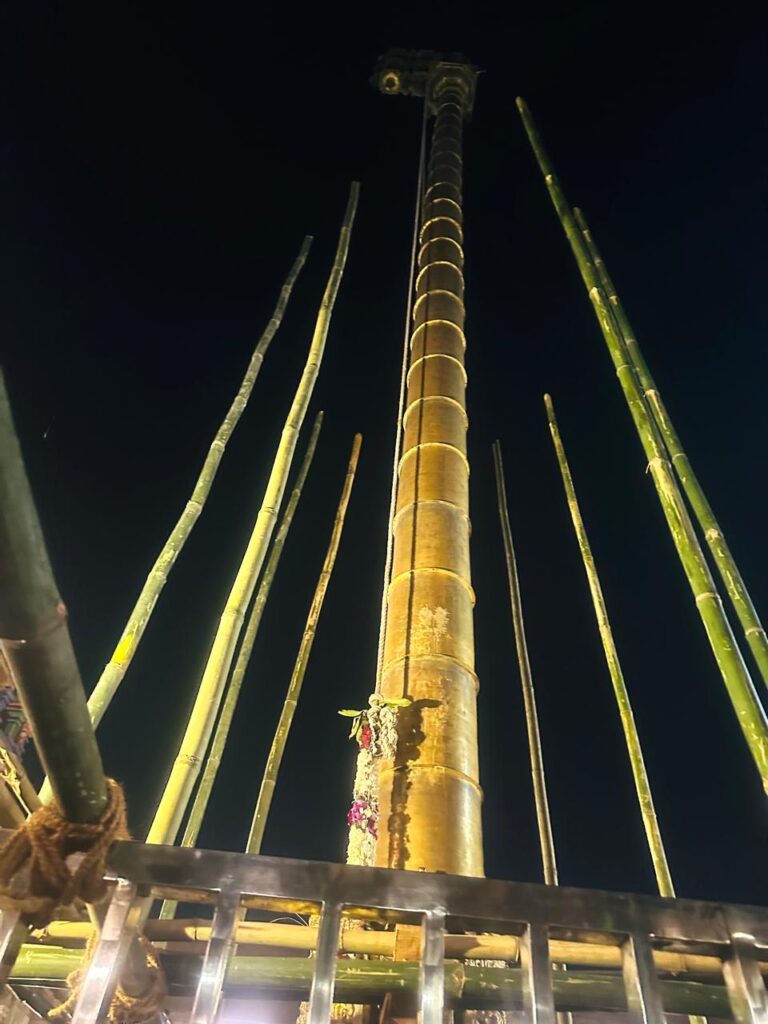
The first stage will involve erecting scaffolding and carefully examining the condition of the wooden structure. The craftsmen will assess the condition of the Sal and Teak wood before undertaking the necessary restoration and applying the new gold covering.
According to the temple’s CEO, Anagha Srinivasan, the entire project is expected to take more than two months. Approximately seven kilograms of gold will be required to restore the magnificent golden exterior of the pillar. The restoration is expected to be completed before the annual Brahmotsavam, which takes place after Holi.
An Opportunity to Become Part of a Sacred Legacy
The restoration of the Garuda Dwajasthambham is much more than a structural conservation project. It is an opportunity to preserve an important spiritual symbol that has witnessed nearly 175 years of worship, festivals and devotion in the sacred land of Vrindavan.
Such restoration opportunities arise only once in several generations. By participating in this sacred seva, devotees can become part of a legacy that will continue to inspire generations of worshippers.

Support Vrindavan Today: Help us preserve the rich spiritual, cultural and environmental heritage of Braj. Your generous contribution will strengthen our efforts to document Vrindavan’s timeless traditions, protect its sacred heritage and raise a voice for the conservation of Braj. Every donation, big or small, helps us continue this mission. Donate today and become a part of our journey to preserve the soul of Braj. You can sponsor articles also. Donation made to Vrindavan Today is tax exempt u/s 80 G of the IT act. You can also help us by placing order of an advertisement of your product, which we will publish here in this site. Email us on: [email protected] or whatsapp us on 7456930889