By Brij Khandelwal
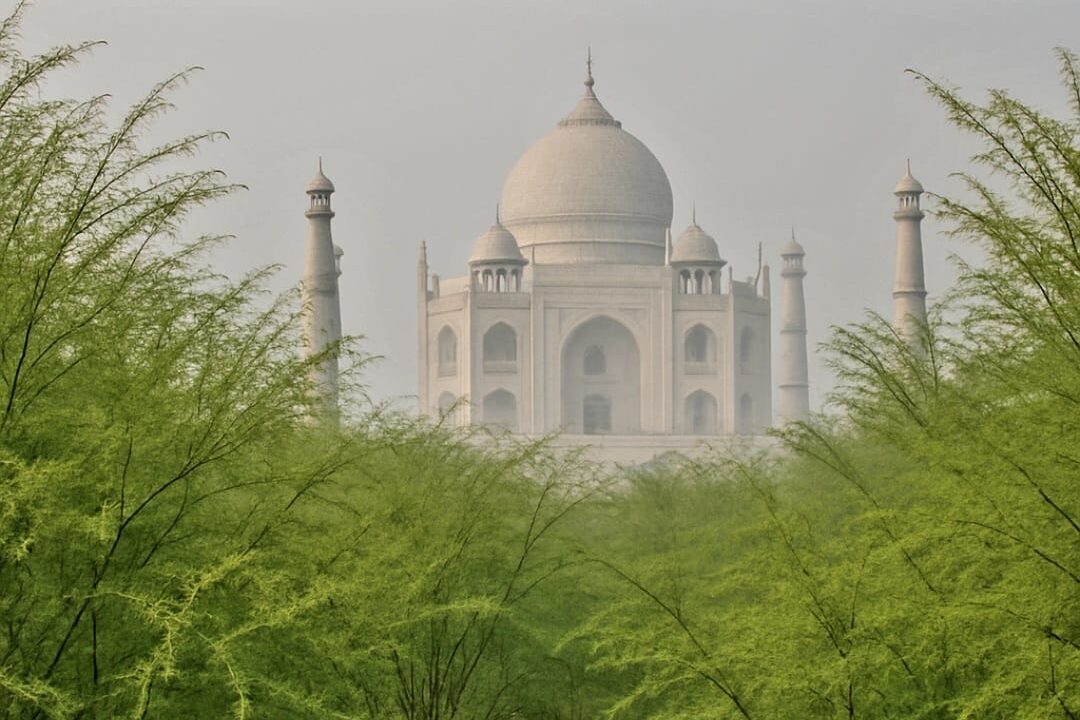
2026.02.09 (Vrindavan Today News): If the Taj Mahal falls silent one morning, will Agra go quiet too? No.
Then, perhaps for the first time, the city will speak in its true voice, amid the clang of artisans’ hammers, the haggling in markets, the aroma from halwais’ kiosks, and the verses of poets. The Taj Mahal is Agra’s crown jewel, but Agra isn’t just the Taj; it’s a thriving, living civilization.
Braj mandal’s history stretches far beyond the gleam of marble. The Taj draws millions of tourists every year, but in its shine, the rest of the heritage often fades into shadow. This region of Uttar Pradesh has been a key milestone in India’s economic, cultural, industrial, and intellectual journey. Here, the past doesn’t clash with the present, it converses. The tragedy is that over time, Agra has been confined to the Taj’s shadow, as if the city was born from it and ends there. Yet the Taj is just one chapter in Agra’s long story. The BJP’s four MPs and dozen MLAs are responsible for the neglect and backwardness of the Taj Trapezium Eco Zone.
The Braj region, formed by Mathura and Agra together, was once a hub of economic and cultural prosperity. The roots of organized banking in India are buried in Agra’s soil. During the Mughal era, local traders conducted business across distant lands via hundis. This was a trust-based financial system run by local shroffs. Mughal-era Agra traders wielded such economic power that the East India Company had to borrow from them to set up factories and warehouses in Gujarat. The 1765 agreement, which granted the Company revenue rights over Bengal, Bihar, and Orissa, underscores Agra’s economic stature. The city’s havelis and markets bear witness not just to royal patronage, but to commercial prosperity.
The Mughals elevated Agra to its peak. Babur’s Aram Bagh, Akbar’s capital, the ramparts of Agra Fort, and Fatehpur Sikri, these are confluences of power, beauty, and vision. Shah Jahan’s Taj Mahal symbolizes love, but Agra isn’t just a mausoleum. It has gardens, sarais, and markets that have pulsed for centuries. In the 17th century, Francois Bernier described Agra as larger than London or Paris, with a population of nearly seven lakh.
Industrially, Agra has never lagged. Leather, footwear, glass, carpets, and petha industries have underpinned the city’s economy. The footwear sector still produces about 1.5 lakh pairs daily. In the 19th and 20th centuries, Agra’s iron factories supplied agricultural tools across India, aiding the Green Revolution.
Agra’s handicrafts are its soul. Marble inlay, pietra dura, brasswork, carpet weaving, and zari embroidery, these aren’t mere souvenirs; they’re skills passed down generations. In the lanes of Belanganj, Kachahri Ghat, Chhatta, Rawat Para, Sadar Bazaar, Kinari Bazaar, and Shahganj, trade and craftsmanship still breathe. These oriental markets aren’t just shopping spots; they’re living museums where history is crafted by hand.
Agra is incomplete without its cuisine. Petha sweets aren’t just a taste, they’re an identity. Besides them, bedai-jalebi, dalmoth, Mughlai kebabs, korma, chaat pakodi, and biryani are part of Agra’s culture. The city speaks to both the stomach and the heart. From street carts to royal feasts, flavors here are democratic.
Agra is rich in hospitality too. World-class hotels, heritage properties, and modern resorts around the Taj not only house tourists but fuel the city’s economy. The hotel industry supports local jobs, crafts, and food traditions.
In education, Agra plays a deep role. Institutions like the oldest convent St. Patrick’s School, Raja Balwant Singh College, Agra College, St. John’s College, Sarojini Naidu Medical College, and Dayalbagh Educational Institute are its pillars. Spiritually, centers like Braj shrines, temples, parikrama circuits, the Shiva temples, and Dayalbagh make Agra unique.
Agra has been maligned as the “city of madmen” or “town of lepers,” but the truth is that it’s the land of Surdas, Ras Khan, Nazir Akbarabadi, and Mirza Ghalib. It’s a hub of Bhakti movement saints, Sufis, and folk poets.
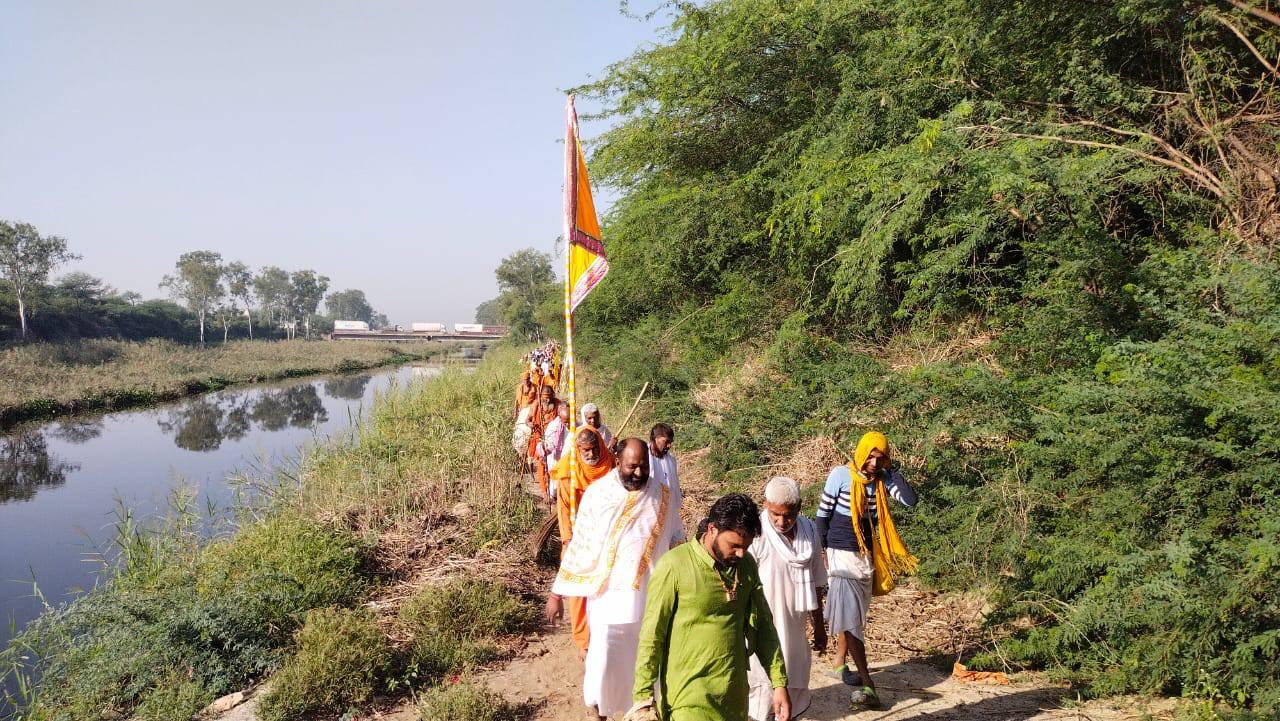
India’s most tourists flock to Agra; adding Mathura-Vrindavan pushes the numbers into crores. Now, it’s time to change mindsets. Treat Braj Mandal, the Sri Krishna land from Bateshwar to Vrindavan, not as a patient, but as a center of self-respect. The Taj is its symbol, but Braj Mandal’s identity is far larger, deeper, and more vibrant. This historic, cultural, and religious region can shape not just the present, but the future too.