- By Jagannath Poddar
A Forest in Divine Memories
2026.03.08 (Vrindavan Today News): Can a place truly carry spiritual vibrations that seekers can feel? Many who have visited Vrindavan believe so. For centuries this holy city in Braj has drawn saints, poets, and devotees who sensed a profound divine presence here. Yet the Vrindavan we see today, with its temples, ghats, and vibrant devotional life, was not always like this.
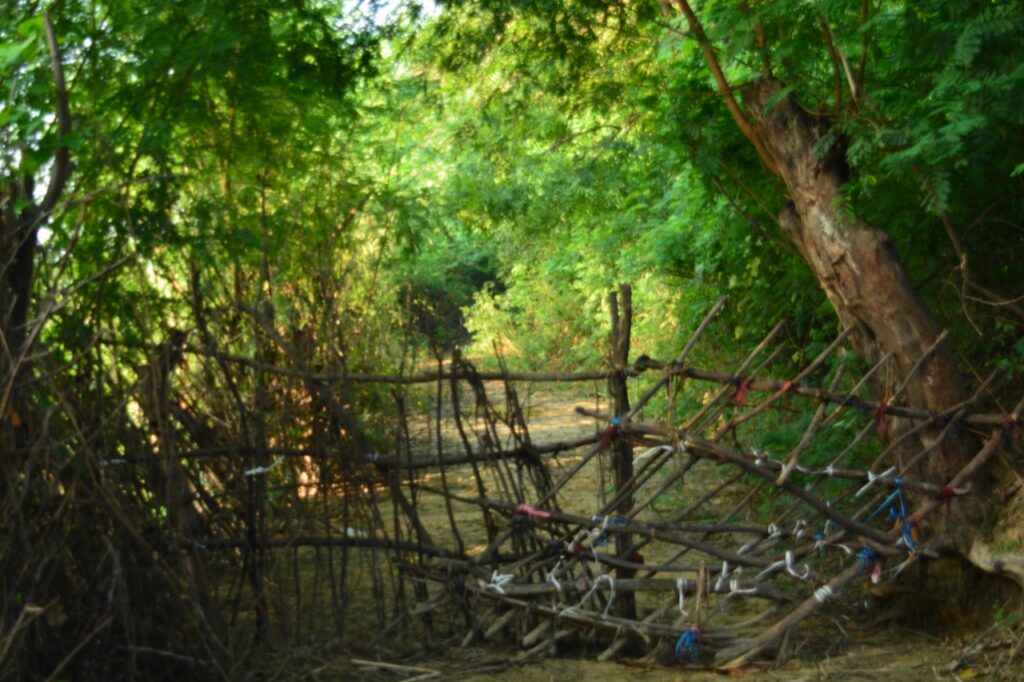
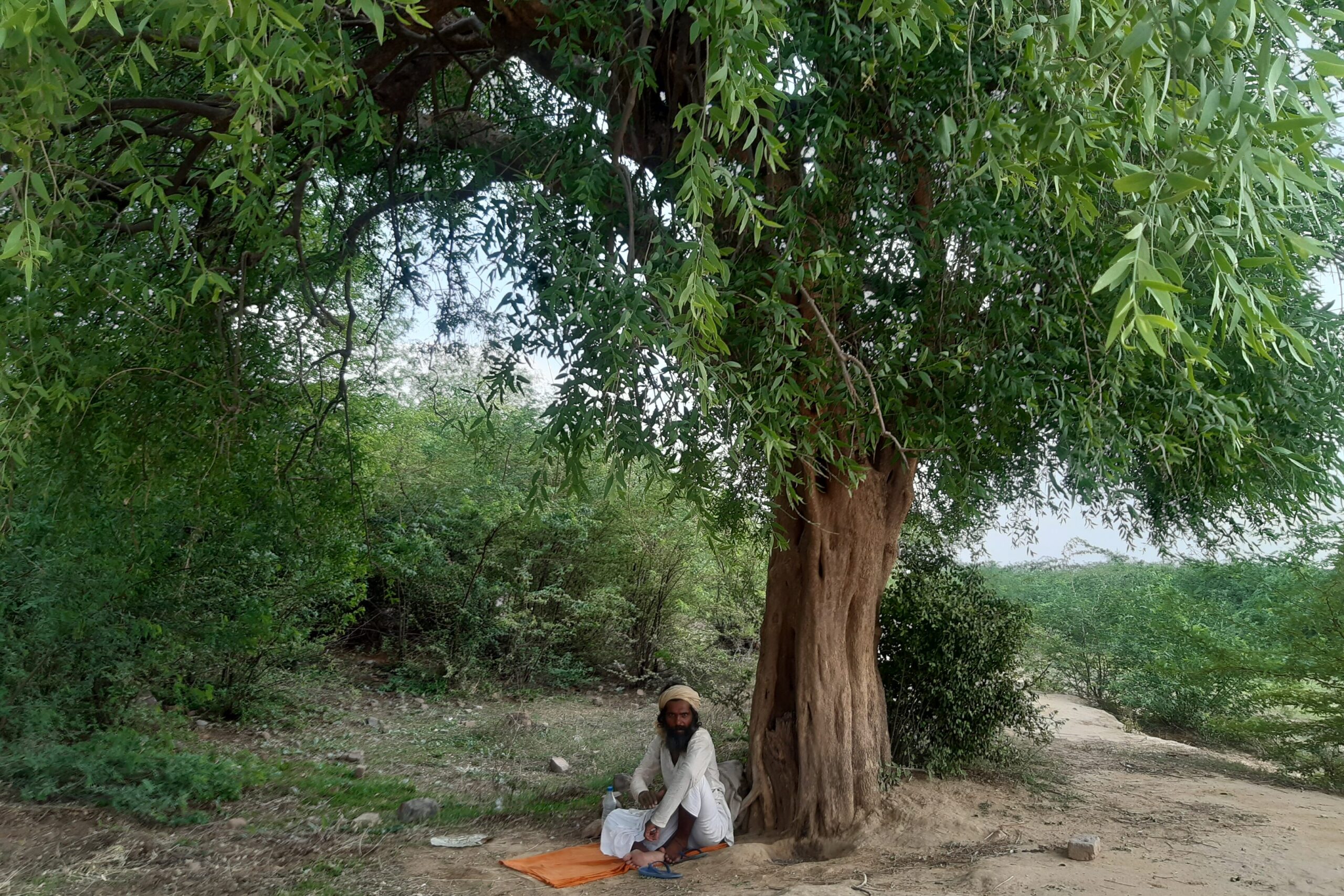
Around the beginning of the sixteenth century, Vrindavan was largely a dense and secluded forest. There were hardly any temples or visible signs connecting the landscape with the life of Shri Krishna. Despite this, spiritually sensitive souls felt a powerful attraction to the place. One by one, great saints and mystics began arriving, convinced that the land itself carried the memory of Krishna’s divine pastimes.
Among the earliest was Vallabhacharya, the renowned philosopher from Andhra Pradesh who propounded the doctrine of Shuddhadvaita, or pure non-dualism. Drawn by devotion to Shri Krishna, he made Braj one of the centers of his spiritual activities. From Rajasthan came the royal mystic poet Meera Bai, who renounced palace life and worldly comforts in pursuit of her intense love for Krishna.
Other saints also felt the same divine pull. The blind poet Surdas composed immortal verses glorifying Shri Krishna, while the legendary musician Swami Haridas enriched the devotional atmosphere with the profound music of the Dhrupad tradition. Each of them experienced Vrindavan as a living presence of Krishna rather than merely a geographical place.
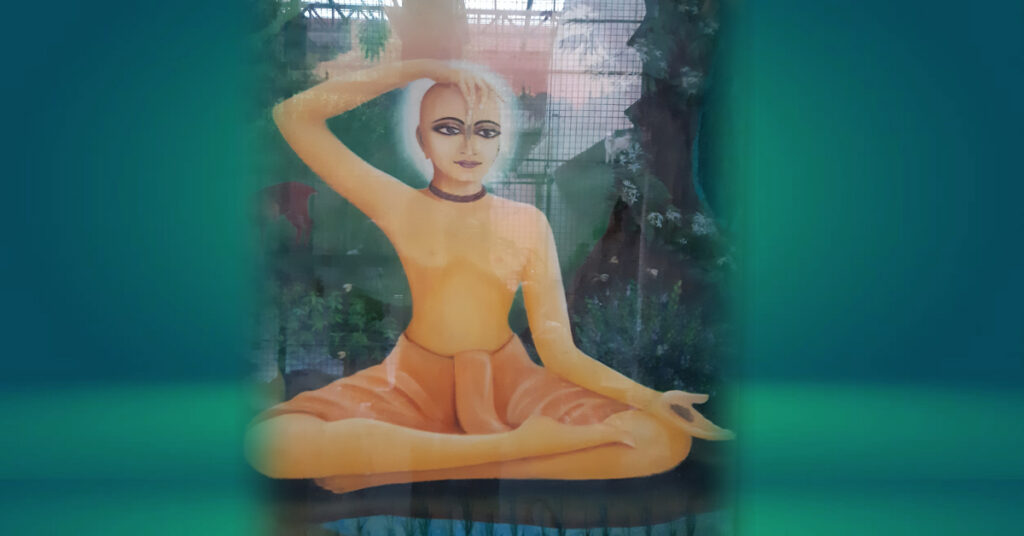
A transformative moment came with the arrival of Chaitanya Mahaprabhu. In 1515, he walked all the way from Odisha to Braj. At that time Vrindavan had few physical reminders of Krishna’s pastimes. But when Chaitanya entered the forests around Mathura and Vrindavan, he experienced overwhelming spiritual ecstasy.
Immersed in divine love, he began perceiving the sacred landscape in a mystical way. As he walked through the groves and riverbanks, he felt as though the ancient pastimes of Shri Krishna were unfolding before his eyes. Places that appeared ordinary to others became vivid scenes of divine activity for him.
He identified Gokul as the village of Shri Krishna’s childhood, where he playfully stole butter from the gopis. In the groves of Seva Kunj he envisioned the enchanting Raas dance, where Shri Krishna danced with Shri Radha and her companions in divine harmony.
He also rediscovered the sacred twin ponds of Radha Kund and Shyama Kund, where he perceived Krishna joyfully sporting in the waters with his friends.
His spiritual visions continued across the Braj landscape. At Govardhan Hill he remembered the moment when Krishna lifted the mountain on his little finger to protect the villagers from torrential rains. At Chir Ghat and Vanshi Vat he felt the divine music of Krishna’s flute echoing through the trees. The forests themselves seemed to speak with the memories of these sacred pastimes.
Chaitanya’s experiences were so intense that he would often dance in ecstasy, overwhelmed by divine joy. Realizing the importance of these revelations, he carefully noted the locations where he experienced Krishna’s lilas. He then instructed his followers to mark these sacred spots and establish small shrines so that future generations could remember and experience them.
Over time, many of the great temples of Vrindavan grew from these modest beginnings created by Chaitanya’s disciples. What had once been a forgotten forest gradually transformed into one of the most revered centers of Krishna devotion in the world.
The spiritual appeal of Vrindavan was not limited to followers of a single tradition. Even the Mughal emperor Akbar is said to have felt the profound atmosphere of the place as he donated revenue land of Vrindavan to Shri Govinda Dev, Shri Madan Mohan and Shri Gopinath.
Historically, the region had suffered devastation centuries earlier. In 1018 AD, the invasion of Mahmud of Ghazni led to the destruction of many temples in Mathura and the surrounding areas, erasing much of the visible heritage associated with Shri Krishna. Without the rediscovery and efforts of Chaitanya and other saints, the sacred geography of Braj might have remained hidden in scriptures and memory alone.
Today, Vrindavan continues to attract pilgrims, scholars, and spiritual seekers from across the world. They come not only to visit temples but to experience the intangible atmosphere of devotion and love that pervades the land.
In many ways, these visitors owe a silent debt to Shri Krishna Chaitanya Mahaprabhu and the saints who followed him. Through their devotion and spiritual vision, they revived the sacred landscape of Vrindavan and connected countless people to the deeper spiritual heritage of Krishna’s divine pastimes