Raises Concern Over Preferential Treatment to Wealthy Devotees
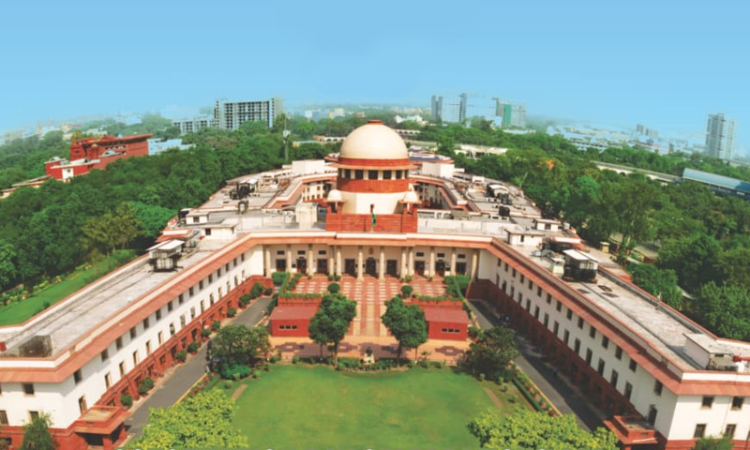
New Delhi: 15th December, 2025 (Vrindavan Today News): The Supreme Court on Monday made strong observations against the practice of conducting paid “special pujas” in temples, stating that such rituals disrupt the deity’s prescribed rest period and go against established religious traditions.
The Court expressed serious concern over the practice of allowing special worship exclusively for wealthy devotees during hours when the temple is officially closed or when the deity is meant to be resting.
A Bench comprising Chief Justice of India Surya Kant, Justice Joymalya Bagchi, and Justice Vipul Pancholi was hearing a writ petition related to the Shri Banke Bihari Temple in Vrindavan.
Challenge to Changes in Darshan Timings
The petition primarily challenges changes made to the temple’s darshan timings and the alleged discontinuation of essential religious traditions such as Dehari Puja. The petitioners argued that these changes interfere with long-standing customs and sacred rituals.
Senior Advocate Shyam Divan, appearing for the petitioners, submitted that darshan timings are not mere administrative arrangements but are deeply intertwined with centuries-old religious practices and rituals. He emphasized that alterations to these timings have adversely affected the temple’s internal rituals, including the deity’s waking and resting schedule.

Court’s Observations on Deity’s Rest Period
During the hearing, Chief Justice Surya Kant made broad and significant remarks, noting that in many temples, even after the temple is closed in the afternoon, the deity is not allowed proper rest.
“The deity is being exploited in every possible manner,” the CJI remarked, adding that individuals who can afford to pay large sums are granted special access and worship. He stressed that the deity’s rest period is extremely sacred and should not be compromised under any circumstances.
The Court underscored that granting special or privileged darshan during the deity’s rest period undermines the sanctity of religious traditions and creates inequality among devotees.
Agreement from Petitioners’ Counsel
Senior Advocate Shyam Divan agreed with the Court’s concerns, affirming that the deity’s rest period is of paramount importance and must be strictly observed. He clarified, however, that in the present case, there was no specific complaint regarding the conduct of such special pujas.
Nevertheless, Divan acknowledged that the Court’s apprehensions were valid and could be addressed independently. He reiterated that darshan and worship timings should not be treated as mere administrative matters, as they are deeply rooted in faith, tradition, and religious observance.
He also supported the Chief Justice’s observation that no individual, regardless of status or wealth, should be permitted special or privileged darshan during the deity’s rest period.
Matter Listed for Further Hearing
After hearing all parties, the Supreme Court directed that notice be issued to the High-Powered Committee overseeing the temple’s administration. The matter has been listed for further hearing in the first week of January.
Background of the Case
In August, the Supreme Court had stayed the functioning of the committee formed under the Uttar Pradesh Shri Banke Bihari Ji Temple Trust Ordinance, 2025. Instead, the Court constituted a High-Powered Committee under the chairmanship of former Allahabad High Court Judge Justice Ashok Kumar to supervise the temple’s daily administration and operations.
The constitutional validity of the ordinance is currently under challenge before the Allahabad High Court. Until a final decision is delivered, the Supreme Court-appointed committee continues to manage the temple.
The present writ petition has been filed by Gopesh Goswami and Rajat Goswami on behalf of the temple’s management committee and was presented through Advocate-on-Record Tanvi Dubey.