- By Devaki Pran Das, Radhakunda
Protect not only the stones and pathways, but the silence, sanctity, and spiritual ecology of this land.
2nd January, 2026 (Vrindavan Today News): “May my tongue forever chant only the name of Shri Radhe, even if my own name fades from this world.”
This prayer, born of deep devotion, today echoes as a cry of pain from the heart of Braj.
Braj was never meant to be loud. It was never meant to be rushed. It was envisioned as a living sanctuary where the mind-temple remains eternally occupied by Shri Radha–Giridhari, where silence speaks louder than words, and where every step is a meditation. Yet today, that sacred stillness is steadily being suffocated.
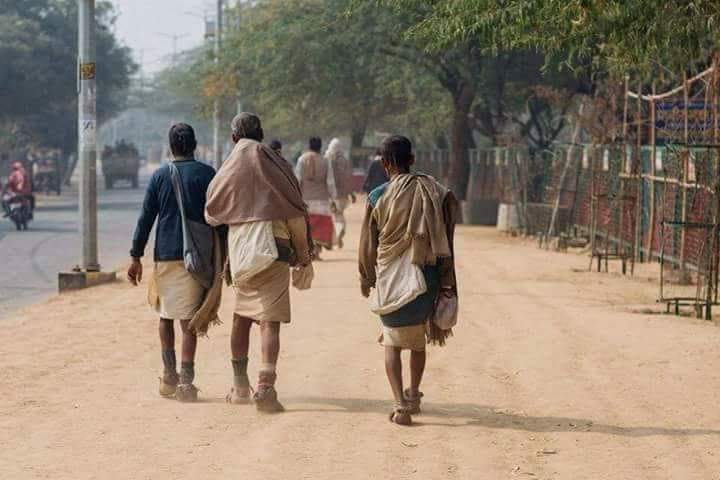
The daily traffic jams on the Giriraj Govardhan Parikrama Marg are no longer an exception, they have become the norm. Long lines of vehicles, blaring horns, impatient crowds, and chaotic movement have transformed a timeless spiritual circumambulation into an ordeal of distress. Saints, devotees, and lovers of God—who renounced homes, families, and worldly security to live in solitude and remembrance of Radha–Krishna are now forced to endure noise, congestion, and unrest at every turn
This is not merely an issue of poor traffic management. It is a deeper crisis, it is a spiritual and cultural erosion. When administrative apathy, unchecked tourism, and institutional indifference join hands with maya, the casualty is not just peace, but faith itself.
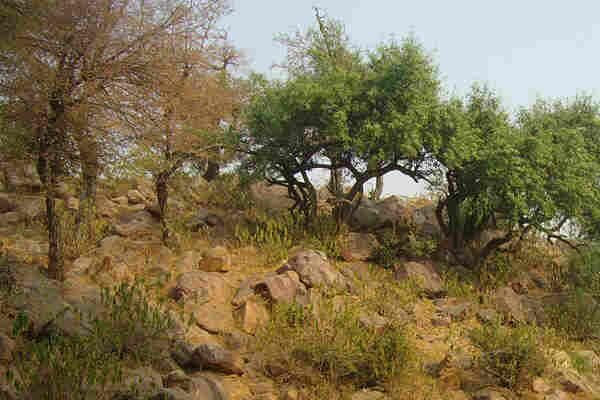
For decades, Giriraj Parikrama symbolized Krishna’s Govardhan Lila, the gentle footsteps of the Lord among cows and cowherds, the soft dust raised by grazing cattle, the intimate bond between land, deity, and devotee. Today, that imagery is being replaced by exhaust fumes and traffic bottlenecks. If this continues, future generations may find it difficult to believe in the very lilas they hear so reverently described in the Bhagavatam and from the mouths of the preachers. The living geography of Krishna’s pastimes risks being reduced to mythology rather than lived truth.
What happens then to harinam performed day and night?
What happens to reverence for the Goswamis and their vision of Braj?
What happens when the physical Braj no longer supports the spiritual Braj described in scripture?
This is an urgent appeal to the intellectuals of Braj, to Brajwasis, to spiritually rooted saints, and to those entrusted with governance: take immediate cognizance. Protect not only the stones and pathways, but the silence, sanctity, and spiritual ecology of this land.
These words come not from an outsider, but from one who has lived this reality. For 32 years, having renounced everything, sustained by the households of Brajwasis, living solely at the feet of Giriraj Govardhan. This pain is personal, yet universal. This grief is individual, yet prophetic.
If Braj loses its peace, it risks losing its soul.
I wote this not in anger, but in helpless devotion. Not as an accusation, but as a warning. And not without hope, because Braj has always survived through remembrance, responsibility, and collective awakening.