By Brij Khandelwal
2026.03.10 (Vrindavan Today News): In the cultural landscape of India, few regions carry the emotional and spiritual resonance of Braj. This sacred geography; spread across temples, forests, riverbanks and ancient villages: is inseparable from the life and philosophy of Krishna. For centuries, poets, devotees and performers have expressed his playful divinity through music, dance, and storytelling.
Yet, despite this rich tradition, the deep academic relationship between Braj culture, Krishna’s philosophy, and the language of dance had never been examined in a comprehensive scholarly manner, until now.
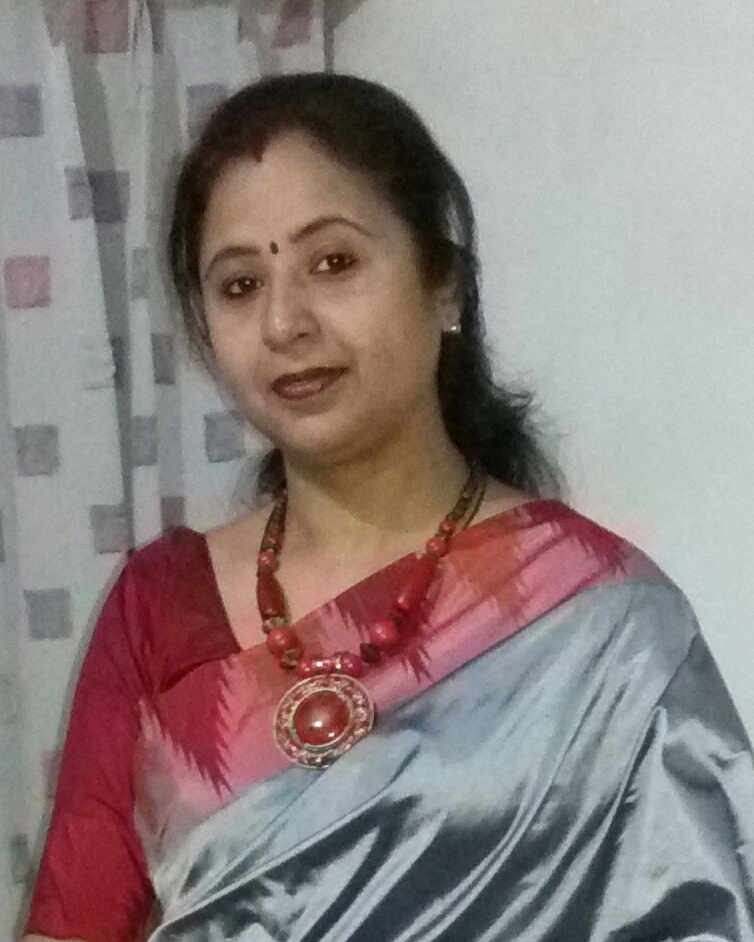
Dr. Jyoti Khandelwal has undertaken a pioneering research journey that explores precisely this connection. Her doctoral work examines how the philosophy of Krishna, expressed through his leelas (divine playful acts), merges with the dance traditions of Braj, both classical and folk, and how these artistic expressions convey profound spiritual and cultural meanings to the common people.
In her research, Dr. Khandelwal begins with a broad exploration of the origin and evolution of dance. She traces how dance emerged not merely as entertainment but as a sacred expression of human emotion, devotion, and philosophy. From ancient ritualistic movements to the codified traditions of classical Indian dance, the study surveys the theoretical foundations of dance found in traditional texts and cultural practices.
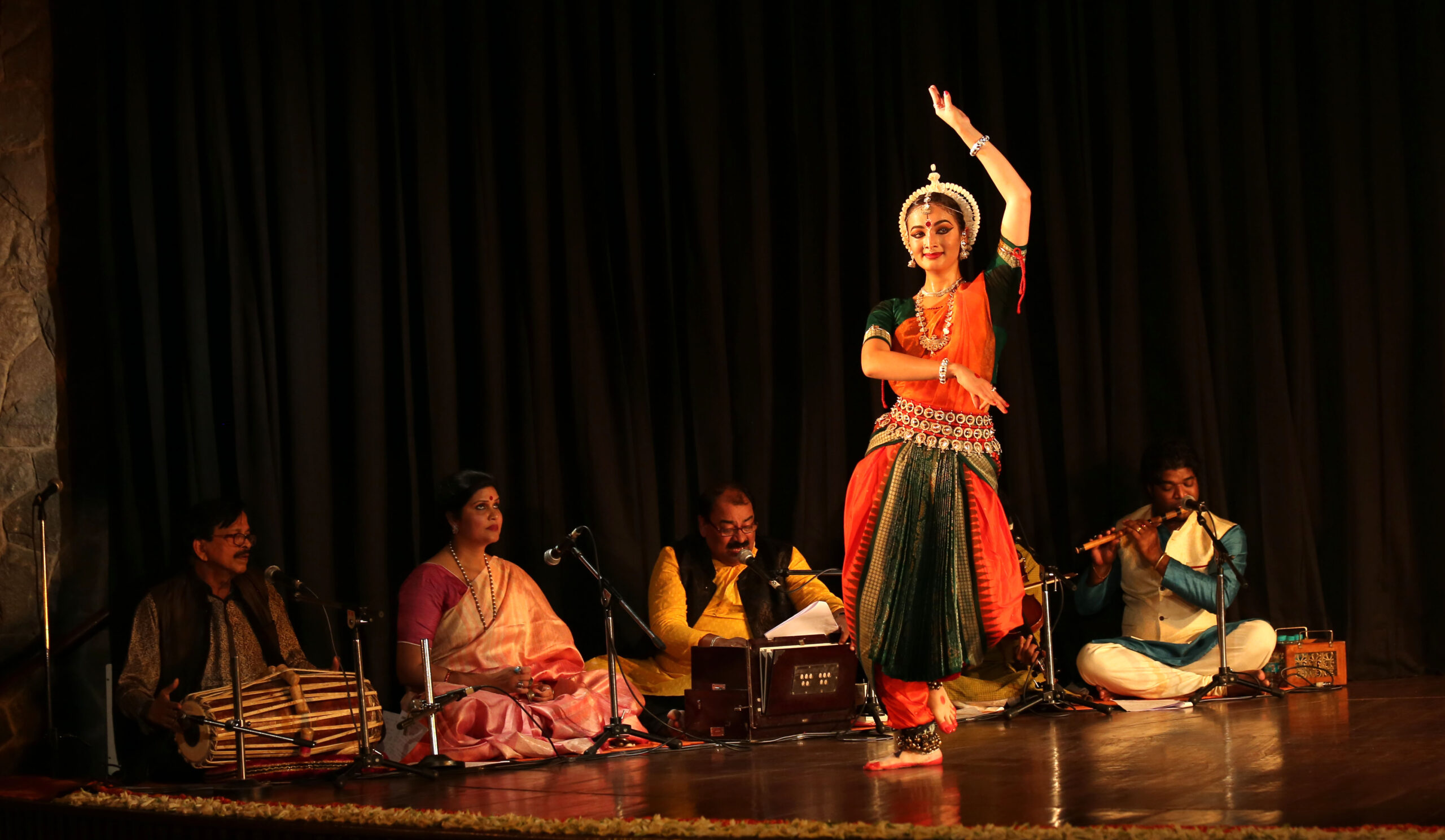
The research also examines various classical dance traditions, their structural elements, rhythmic systems, and expressive grammar. These traditions, including forms like Bharatanatyam, Kathak, Manipuri, and Kuchipudi, each possess their own distinctive vocabulary of gestures, rhythm patterns, and narrative techniques.
However, Dr. Khandelwal’s work does not treat these dance forms in isolation. Instead, she investigates how they draw inspiration from Krishna’s mythology and the cultural environment of Braj.
A central aspect of the research is the geographical, cultural and religious landscape of Braj. The region’s sacred locations, forests, ghats, villages, and pilgrimage sites, are deeply embedded in Krishna lore. Places such as Vrindavan, Govardhan, and the banks of the Yamuna form the living stage on which Krishna’s divine play unfolds.
Dr. Khandelwal’s research highlights how these locations are not merely physical spaces but cultural symbols, continuously celebrated through songs, dances, festivals, and dramatic performances.
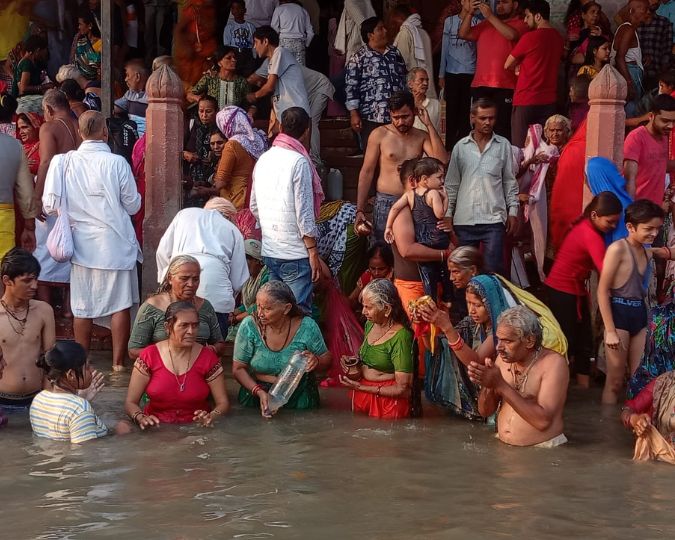
The river Yamuna occupies a particularly significant place in this cultural universe. In Braj tradition, Yamuna is not simply a river but a divine companion of Krishna, a silent witness to his childhood adventures and romantic episodes. Through her research, Dr. Khandelwal emphasizes how Yamuna remains central to the artistic imagination of Braj’s dance and music traditions.
One of the most original aspects of the study is its exploration of Krishna’s philosophy through dance narratives.
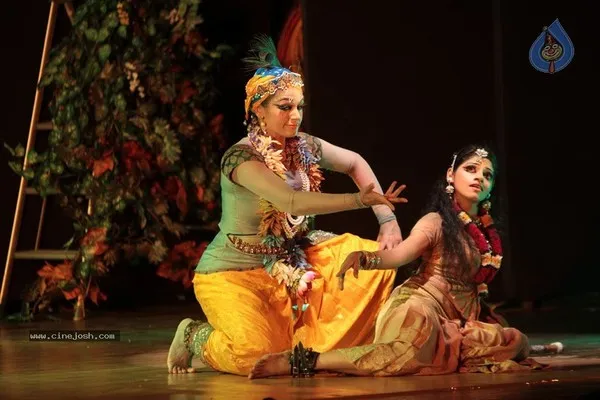
Krishna’s life stories, his childhood mischief, his love for music, his flute playing, his playful interactions with the gopis, and his cosmic wisdom, are not merely mythological episodes. They carry ethical, emotional, and spiritual messages.
Through dances inspired by Krishna’s stories, performers convey themes such as:
The joy of divine love
Harmony between nature and humanity
The celebration of life through music and movement
The spiritual message hidden within everyday human experiences
Dr. Khandelwal demonstrates that dance becomes a living medium of philosophy, translating abstract spiritual ideas into visual and emotional expression.
While classical dance traditions receive considerable scholarly attention, Braj’s folk traditions have often been overlooked in academic discourse. Dr. Khandelwal addresses this gap by documenting various folk dances and folk theatre traditions of the region.
These include village performances, festive dances, and dramatic enactments of Krishna’s stories. Such performances, rooted in local dialects and cultural practices, preserve centuries-old narratives and emotional expressions.
Through these folk forms, communities retell Krishna’s adventures, his Makhan Chori (butter stealing), his playful dances with the gopis, and his lifting of Govardhan Hill to protect villagers.
These stories are not only artistic performances but also moral lessons for everyday life. Dr. Khandelwal’s research emphasises that each divine episode contains a message for the common people, about courage, devotion, harmony, humility, and compassion.
The culture of Braj is inseparable from music. Krishna himself is often portrayed with the flute, symbolizing harmony, attraction, and spiritual awakening.
Dr. Khandelwal’s study explores how songs, poetry, and rhythmic traditions of Braj complement dance narratives. The lyrical traditions of the region, many inspired by Krishna’s life, provide the emotional framework for dance performances.
In these performances, rhythm cycles (taal), expressive gestures, and poetic verses combine to create a complete artistic experience that merges devotion with aesthetic beauty.
A New Academic Perspective
Historically, many scholars have focused on the dance of Shiva, especially the cosmic dance Tandava, analyzing its symbolism and philosophical meaning.
However, Dr. Jyoti Khandelwal’s work marks a significant shift in focus.
Her research highlights Krishna not only as a divine figure but also as a patron of music, dance, and aesthetic joy. Unlike Shiva’s powerful cosmic dance, Krishna’s dance traditions celebrate playfulness, love, harmony, and community participation.
This makes her study a pioneering academic effort—one that brings together spirituality, folklore, geography, music, and dance into a unified framework.
A distinctive contribution of the research lies in its interpretation of Krishna’s leelas as messages for ordinary people.
For example:
The story of Govardhan lifting teaches protection of nature and respect for ecological balance.
Krishna’s love for cows highlights compassion toward animals.
His playful interaction with villagers reflects social harmony and equality.
His flute symbolizes inner peace and spiritual awakening.
Through dance and storytelling, these messages reach audiences in a simple yet powerful form.
Dr. Khandelwal argues that dance traditions are not merely artistic displays, they are vehicles of cultural memory and moral guidance.
The completion of this research marks an important academic milestone. For the first time, a scholar from Agra has systematically explored the deep connection between Braj culture, Krishna’s philosophy, and the expressive language of dance.
By integrating classical dance theory with folk traditions and regional culture, Dr. Jyoti Khandelwal has created a study that bridges academics, spirituality, and living cultural traditions.
Dance in Braj is more than movement, it is devotion in motion. It is poetry expressed through rhythm, philosophy embodied in gesture, and spirituality celebrated through collective joy.
Dr. Jyoti Khandelwal’s research reveals how the cultural universe of Braj transforms dance into a sacred language. Through the stories of Krishna, the melodies of Braj, and the flowing presence of the Yamuna, dance becomes a powerful medium connecting art, faith, and everyday life.
Her work not only enriches academic understanding but also preserves an invaluable cultural heritage, one where music, dance, devotion, and philosophy continue to move together in eternal rhythm. Ends