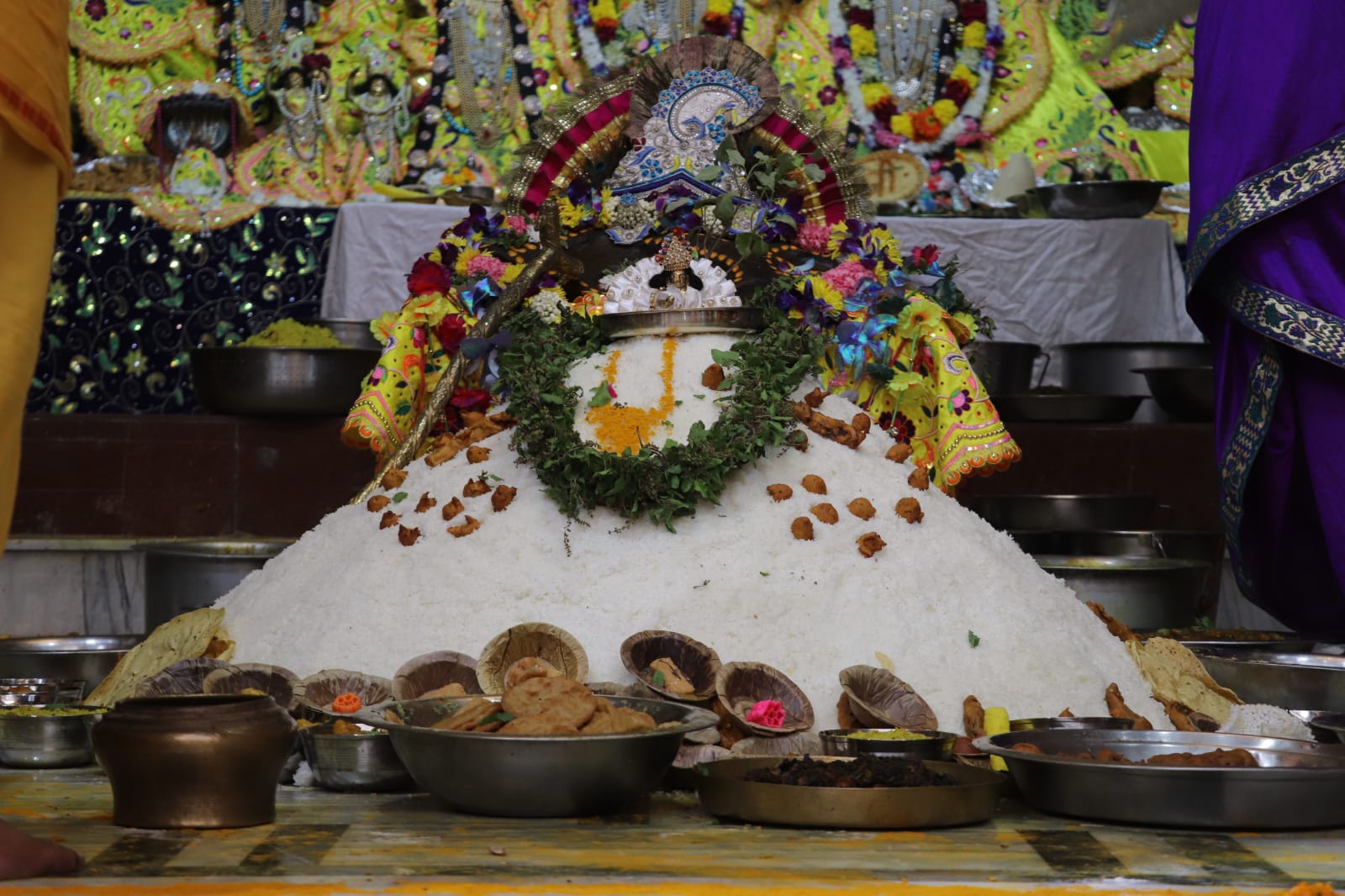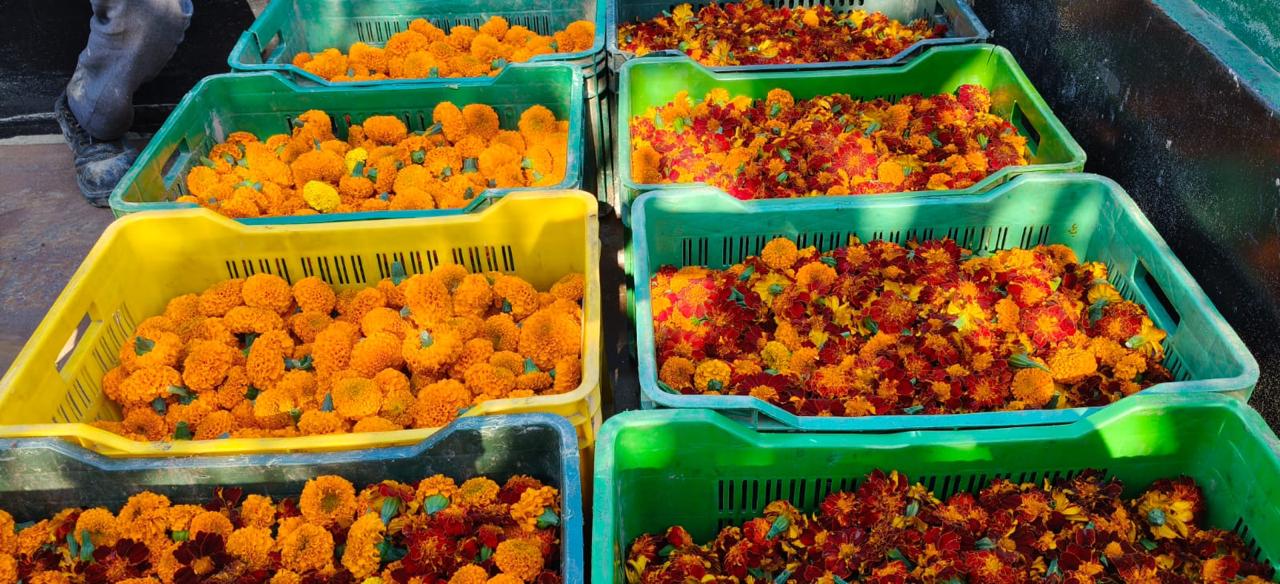
Fragrance of Devotion: A Sustainable Flower Offering by Krishna Bhumi
Vrindavan Today | Bureau Report
6th April, 2026, Vrindavan: In a remarkable confluence of sustainability, devotion, and social responsibility, the Infinity Krishna Bhumi Group has undertaken a unique initiative at the sacred grounds of the Kumbh Mela. With the support of the government, which has entrusted this land to the group for conservation, a visionary project has emerged, one that beautifully blends ecological stewardship with spiritual service.
This land holds deep religious significance, as it is used for the grand Kumbh congregation held every twelve years, alongside Haridwar, one of the holiest pilgrimage destinations in India. Over time, however, large portions of this sacred expanse had fallen prey to encroachment by local inhabitants, threatening both its sanctity and intended purpose.

In a decisive and commendable effort, the Uttar Pradesh Teerth Vikas Parishad, under the leadership of Shailjakant Misra, undertook the task of reclaiming and securing this land. Their intervention ensured that the area was restored to its rightful status, protected, preserved, and ready to serve its spiritual and cultural purpose.
It is upon this reclaimed and safeguarded land that the present initiative has taken root. At the heart of the project lies the vision of the group’s Chairman, Shri Ravindra Chamaria, who firmly believes in giving back to the land from the profits of business. Guided by this principle, the initiative reflects a deeper commitment, not only to environmental responsibility but also to the preservation of sacred heritage.
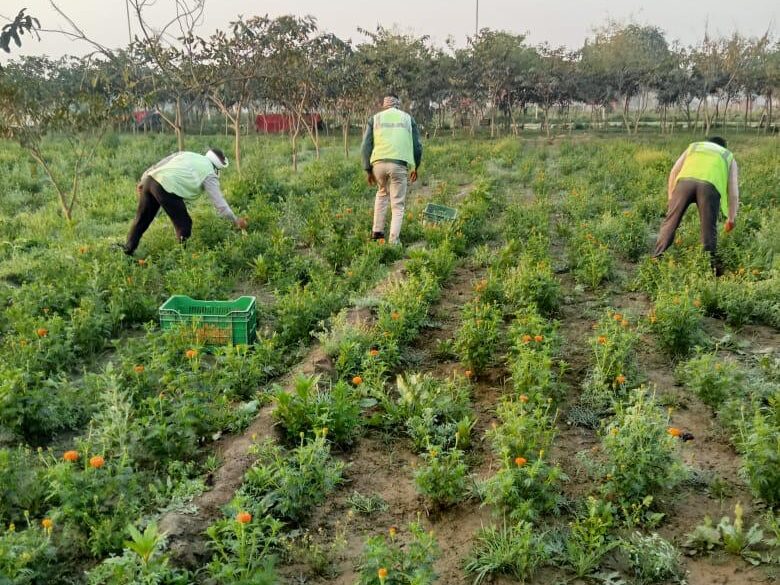
The project focuses on cultivating a wide variety of flowers across the Kumbh Mela grounds. What was once a periodically used expanse is now being thoughtfully nurtured into a flourishing green zone. The effort is not merely agricultural, it is deeply rooted in the ethos of seva, aiming to create a sustainable source of fresh, chemical free flowers for devotional offerings.
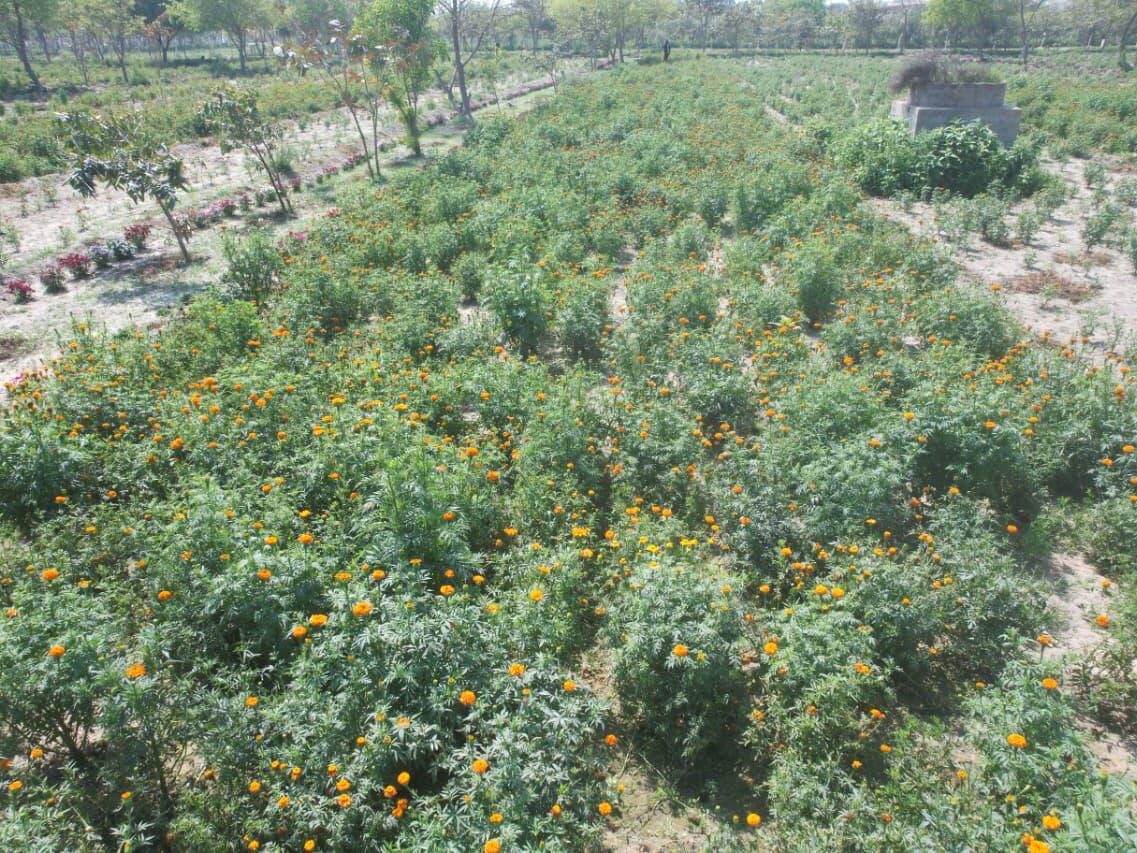
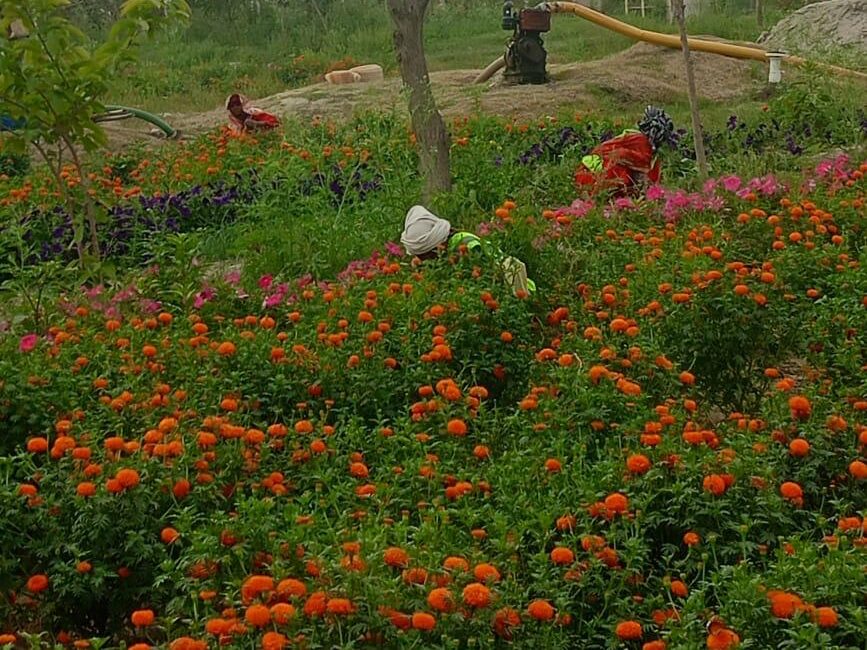
These flowers are carefully grown and distributed to various temples and ashrams, where they are offered to the deities. In a culture where devotion is expressed through beauty and fragrance, this initiative ensures that offerings remain pure, fresh, and imbued with care. It also reduces dependence on commercially sourced flowers, often grown with chemicals and transported over long distances.
Beyond its devotional impact, the initiative contributes significantly to environmental conservation. By transforming the Kumbh grounds into a green belt, it enhances biodiversity, improves soil health, and promotes sustainable land use. It stands as a powerful example of how reclaimed land can be revitalized in harmony with both nature and tradition.
Moreover, this model holds the potential to inspire similar efforts across India’s pilgrimage circuits, where the demand for flowers is constant and substantial. Integrating ecological awareness with spiritual practices can pave the way for a more sustainable future for sacred spaces.

The Corporate Infinity Krishna Bhumi Group deserves appreciation for envisioning and implementing such a thoughtful endeavor. Supported by institutional leadership and guided by a vision of responsibility and reverence, this initiative not only honors the sanctity of the land but also demonstrates how collective efforts can restore, protect, and elevate places of profound spiritual importance.
In essence, this initiative is a reminder that true service to the Divine includes caring for His land. Through flowers grown with devotion and responsibility, the Krishna Bhumi project is quietly redefining the relationship between nature, faith, and community.