Is This the Sacred, Glorious Land of Lord Krishna ; Now Crying for Every Drop of Water?
Vrindavan Today | By Brij Khandelwal
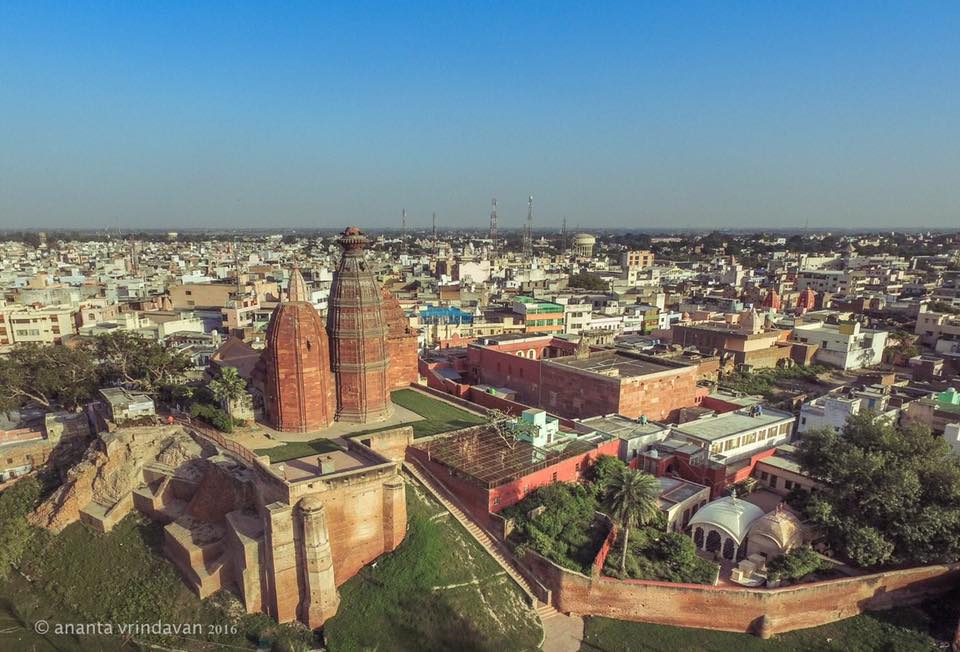
May 28, 2026, Braj: The enchanting beauty of Braj Mandal : the Yamuna riverbanks, shaded groves, wandering peacocks, gentle cows, and the divine tales of Krishna , has echoed for centuries through countless bhajans and folk songs. Devotional classics like “Shyam Teri Bansi Pukare,” “Radhe Radhe Barsane Wali,” “Maiya Mori,” and “Jai Radha Madhav” still paint Vrindavan, Barsana, and Gokul as spiritual paradise. The verses of Surdas and Raskhan remain soaked in the fragrance of Braj’s natural splendour.
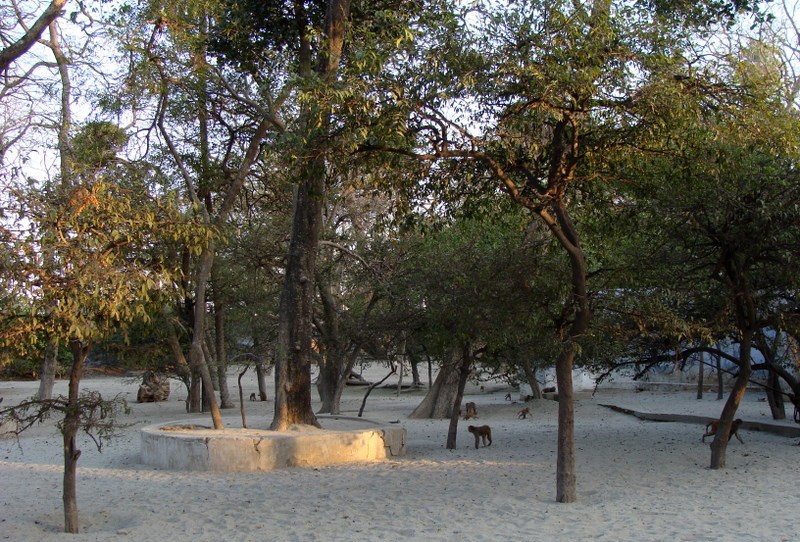
Once upon a time, this land danced to the melody of Krishna’s flute. Kadamba trees leaned lovingly over the Yamuna. Lotus flowers bloomed in sacred kunds. Village ponds were not just water bodies; they were the pulse of community life.
But what is the first sight in Braj today?
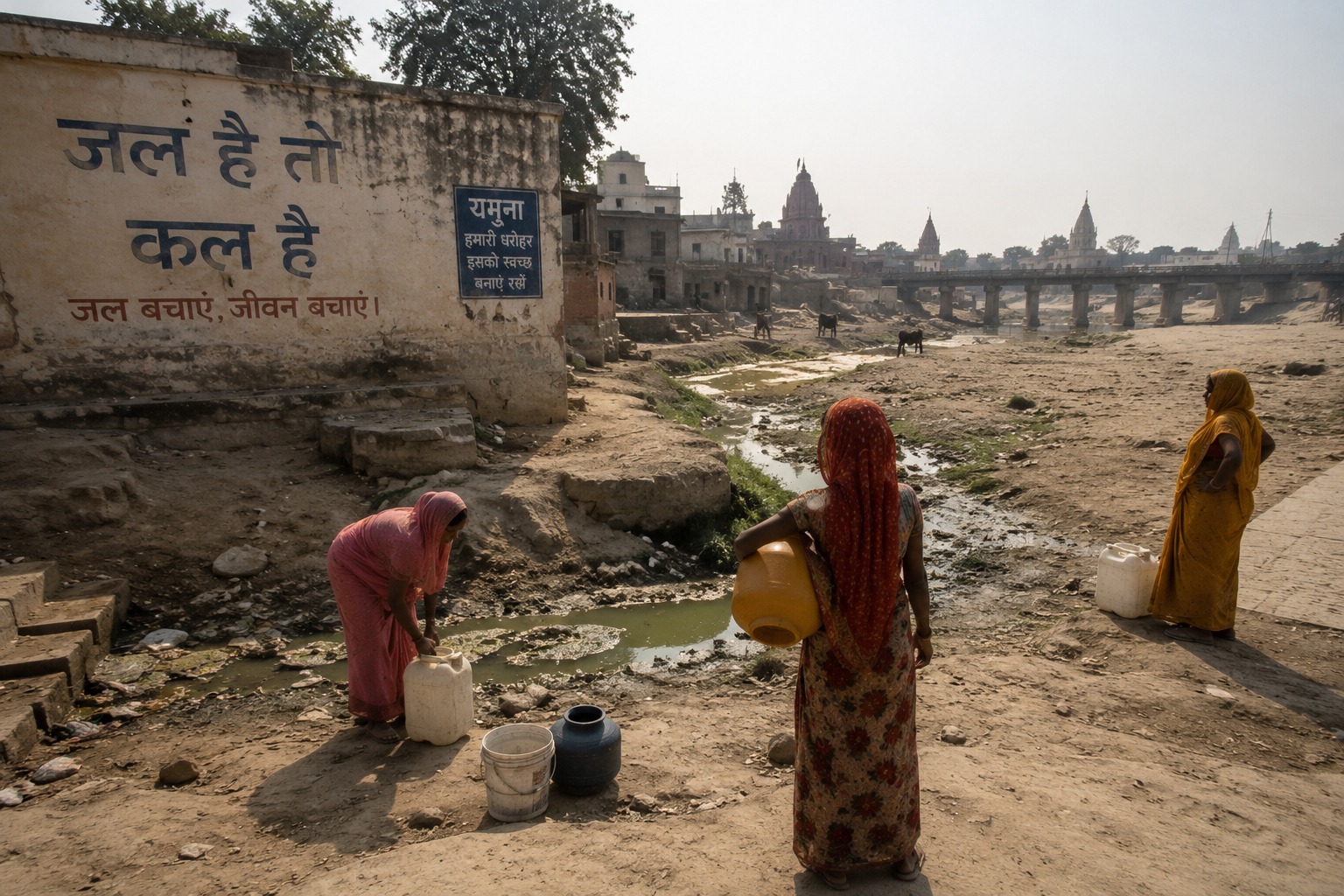
Women standing in long queues with plastic buckets.
Children staring helplessly at dry taps.
Frantic crowds chasing water tankers through narrow lanes.
This is the same Braj where Lord Krishna performed the raas with the gopis. The same land saints once described as “heaven on earth.” Yet today, that heaven is slowly turning into a thirsty wasteland. The irony cuts deep. Cities flourishing along the banks of the Yamuna River are struggling even for drinking water.
There was a time when every village in Braj was a miniature water civilisation. Kunds, ponds, stepwells, and traditional rainwater harvesting systems formed a brilliant ecological network. Water was not merely consumed; it was respected, preserved, and shared.
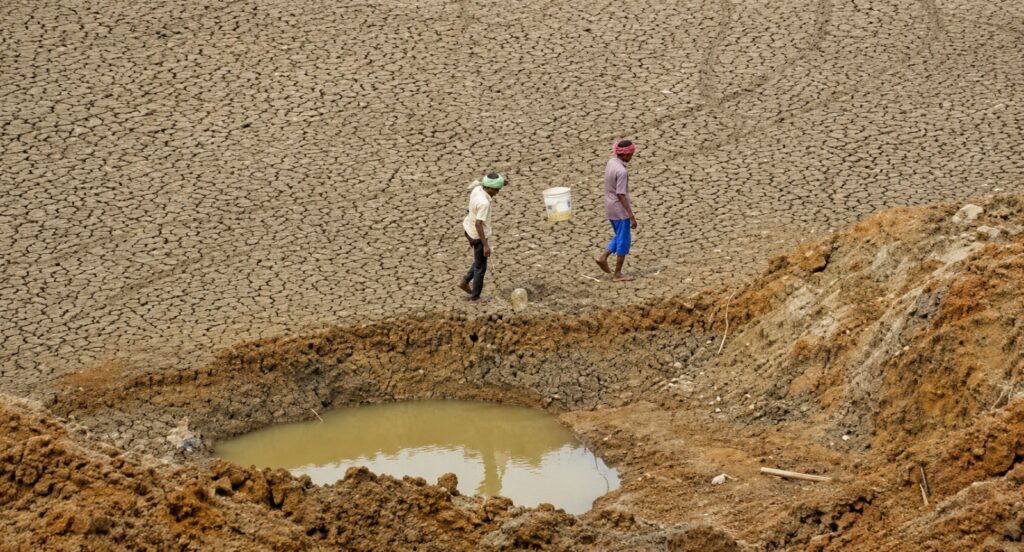
Elders still recall how sweet groundwater could once be found barely twenty or thirty feet below the surface in Mathura and Vrindavan. Today, even after drilling beyond 150 feet, many borewells cough up nothing but sludge or dry air. The earth’s chest has been hollowed out, as though someone has drained away its lifeblood.
Summer turns the crisis into a nightmare.
Daily skirmishes erupt over water in villages and urban colonies alike. The arrival of a tanker creates scenes resembling famine relief camps. People rush with buckets and cans as though rain itself has descended from the heavens.
This disaster did not appear overnight. It is the harvest of decades of neglect.
The ponds and reservoirs of Braj were never decorative ornaments. They were nature’s savings banks. They stored monsoon rain, recharged groundwater, moderated temperatures, and sustained biodiversity. But under the bulldozer of “development,” many of these lifelines disappeared. Colonies rose over ponds. Parking lots replaced wetlands. Sacred kunds became garbage pits.
Concrete strangled the breathing pores of the soil.
The earth forgot how to drink.
Politics too played its predictable game. Election seasons brought grand promises. Leaders spoke passionately about cleaning the Yamuna. Slogans promised water for every household. Ghats were beautified. Decorative lights glittered across riverfronts. Tourism campaigns flourished. Yet dry hand pumps in forgotten villages never became headline material.
Hema Malini, after becoming MP from Mathura, announced several initiatives concerning the Yamuna and regional water problems. Crores of rupees flowed into schemes. Projects under Namami Gange Programme and Jal Jeevan Mission received extensive publicity. Sewage treatment plants were built. Pipelines reached some urban pockets. Yet the larger reality remains painfully incomplete. Many villages and peripheral settlements still survive almost entirely on fast-vanishing groundwater reserves.
The most tragic victim is the Yamuna itself.
The river once worshipped as Braj’s mother now resembles a sick, exhausted drain in several stretches. Pollution from Delhi and upstream cities drifts downstream into Braj. Black foam floats on the surface. The stench hangs heavy in the air. Toxic waste and untreated sewage have scarred the river’s soul. Devotees still perform evening aarti, but the river itself seems to be pleading for rescue.
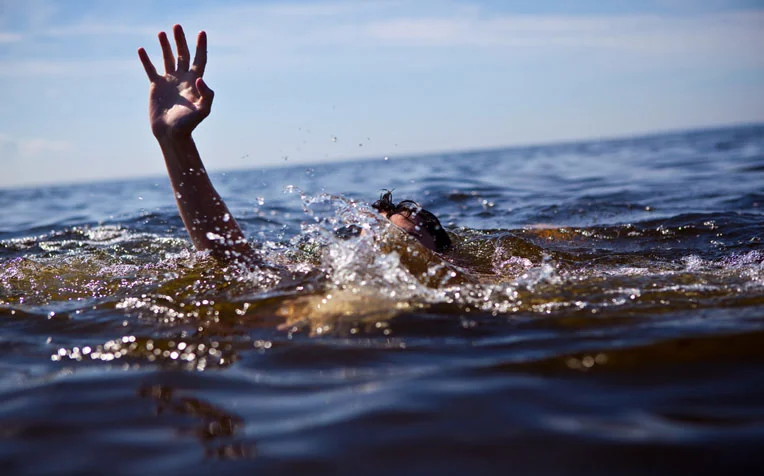
There was a time when children learned to swim in the Yamuna’s gentle currents. Today, parents fear letting their children even approach the water. Disease lurks beneath the surface. Toxic chemicals poison the flow. In many villages, groundwater now carries dangerously high levels of fluoride and TDS. Silent illness spreads slowly through communities. Teeth decay prematurely. Kidney disorders are increasing. Typhoid and hepatitis have become disturbingly common.
Tourism has further intensified the burden.
Millions of pilgrims visit Braj every year. Hotels, guesthouses, restaurants, and sprawling new colonies continue to mushroom rapidly. Water demand has exploded. Yet water conservation still crawls at a snail’s pace. One question hangs heavily in the air: Is this truly development, or merely slow ecological suicide?
The failure of local leadership is now impossible to hide.
Attention remained focused on grand projects, ribbon cuttings, and photo opportunities. Meanwhile, critical tasks like reviving ponds, enforcing rainwater harvesting, protecting wetlands, and removing encroachments were quietly ignored. The drumbeats of development grew louder, even as the land beneath slowly dried to death.
And yet, hope has not vanished entirely.
In some villages, residents are collecting donations to restore old ponds. Environmental groups are working to revive ancient kunds. Young volunteers are planting trees and spreading awareness. Several NGOs are demanding compulsory rainwater harvesting and the construction of check dams before it becomes too late.
The real battle is not about pipelines. It is about mindset.
Until development walks hand in hand with nature, no scheme can remain sustainable. Glittering highways cannot quench thirst. Decorative riverfronts cannot refill empty aquifers.
Today, Braj is sending a warning to the entire nation.
If even the sacred land of Krishna can suffer such desperate thirst, then no city in India can claim to be safe. Nature may settle its accounts slowly, but when the reckoning arrives, it is ruthless.

The time has come for leaders to move beyond speeches and symbolism.
Save the ponds.
Revive the kunds.
Protect the wetlands.
Make rainwater harvesting compulsory.
Stop untreated sewage from entering the Yamuna.
Because this is no longer merely a question of development.
It is a question of survival itself.
And the cry rising from Braj today is painfully clear:
“Build your glittering projects later. First save our ponds, kunds, forests, gardens, and rivers.”