Carelessness or Conspiracy?
Vrindavan Today | By Brij Khandelwal
May 16, 2026, Agra: On summer evenings, the banks of the Yamuna river look very attractive. Cool breeze, families enjoying themselves, children’s laughter, and the calm flow of the river ; everything feels peaceful.
But this same Yamuna suddenly shows its dangerous side. The water that looks calm on the surface hides fast currents and deadly whirlpools underneath.
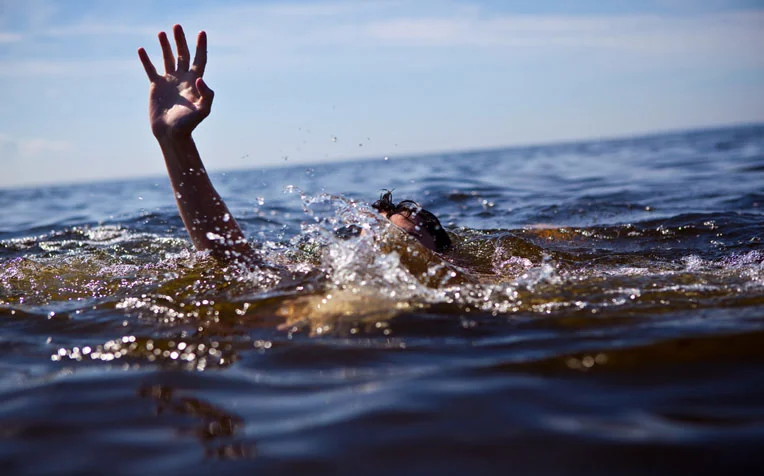
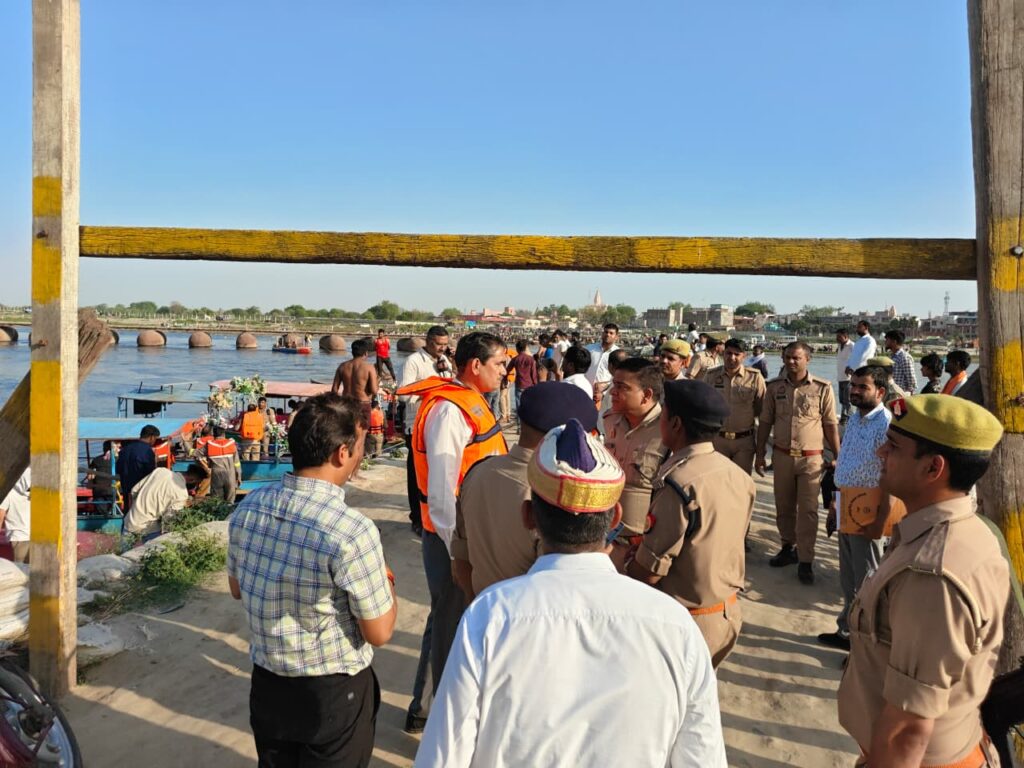
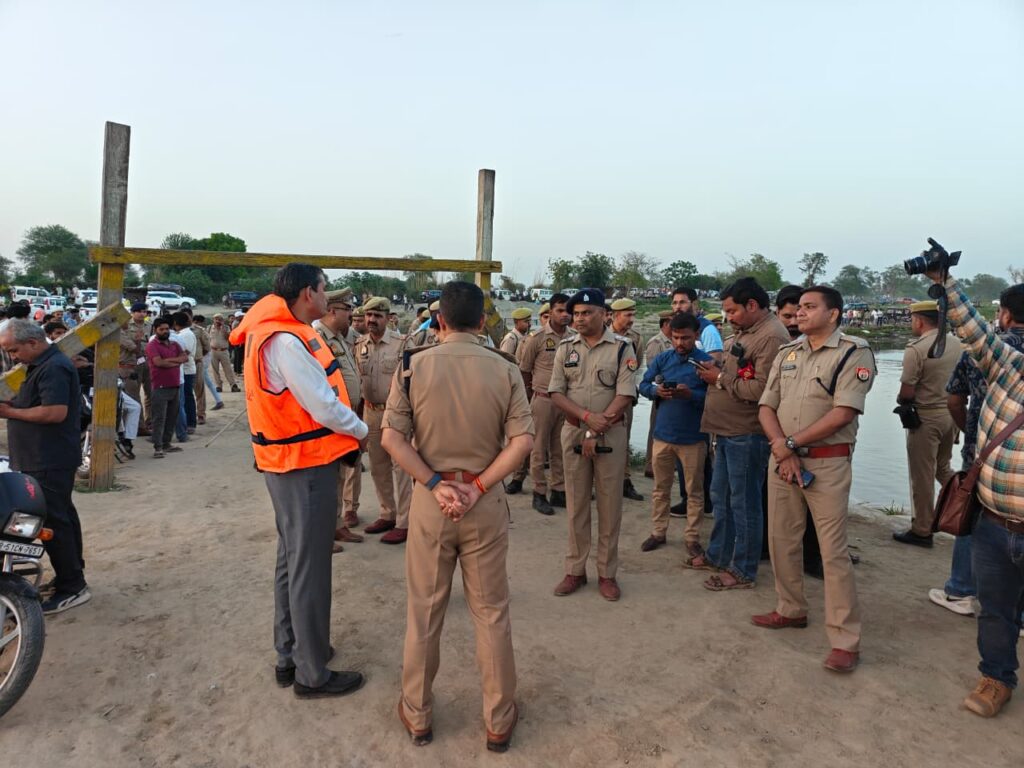
On May 12, 2026, exactly this happened at a ghat (riverbank) in Agra. A family was celebrating a birthday. Six young people went into the river to bathe. At first, the water was only knee-deep. Everyone was laughing and making videos. But after a few steps, someone slipped, the water got deeper, and the fast current swallowed four lives.
The dead included 22-year-old Kanha Singh, 19-year-old Mahak Kumari, 17-year-old Riya, and only 13-year-old Vikki Singh. Two people survived , Mahak and her brother Anshu. Imagine a brother watching his own sister drown. Police and divers ran a rescue operation for two hours, but the family’s happiness could not return.
This is not the first such incident. A few weeks earlier, in April 2026, a big boat accident happened near Keshi Ghat in Vrindavan. A boat full of pilgrims from Punjab (about 30-37 people) hit a pontoon bridge and overturned. Too many passengers, lack of life jackets , because of all this, 15-16 people died. Many bodies were found hours later. Such accidents keep repeating every summer in Agra, Mathura, and Vrindavan , while bathing, while taking selfies, or when boats capsize.
Why do these tragedies happen again and again?
First big reason: Terrible lack of safety at the ghats. Warning boards are often broken or faded. There are almost no lifeguards. Barriers are incomplete, deep water is not properly marked. Police patrols are irregular. Many ghats have no system to warn people about the river’s suddenly changing current. The same happened at Balkeshwar Ghat , shallow water at first misled people.
Second reason: The changed nature of the river. The Yamuna is no longer in its old natural state. Uncontrolled sand mining has made the riverbed deeper and irregular. Sudden pits have formed, erosion has increased, and sand keeps shifting. When water is suddenly released from barrages (like Hathnikund, Wazirabad, etc.), the current becomes faster. Water that looks calm on top flows very fast underneath. Studies have found that sand mining changes the river’s flow pattern, creating localized high-speed currents that become deadly for swimmers.
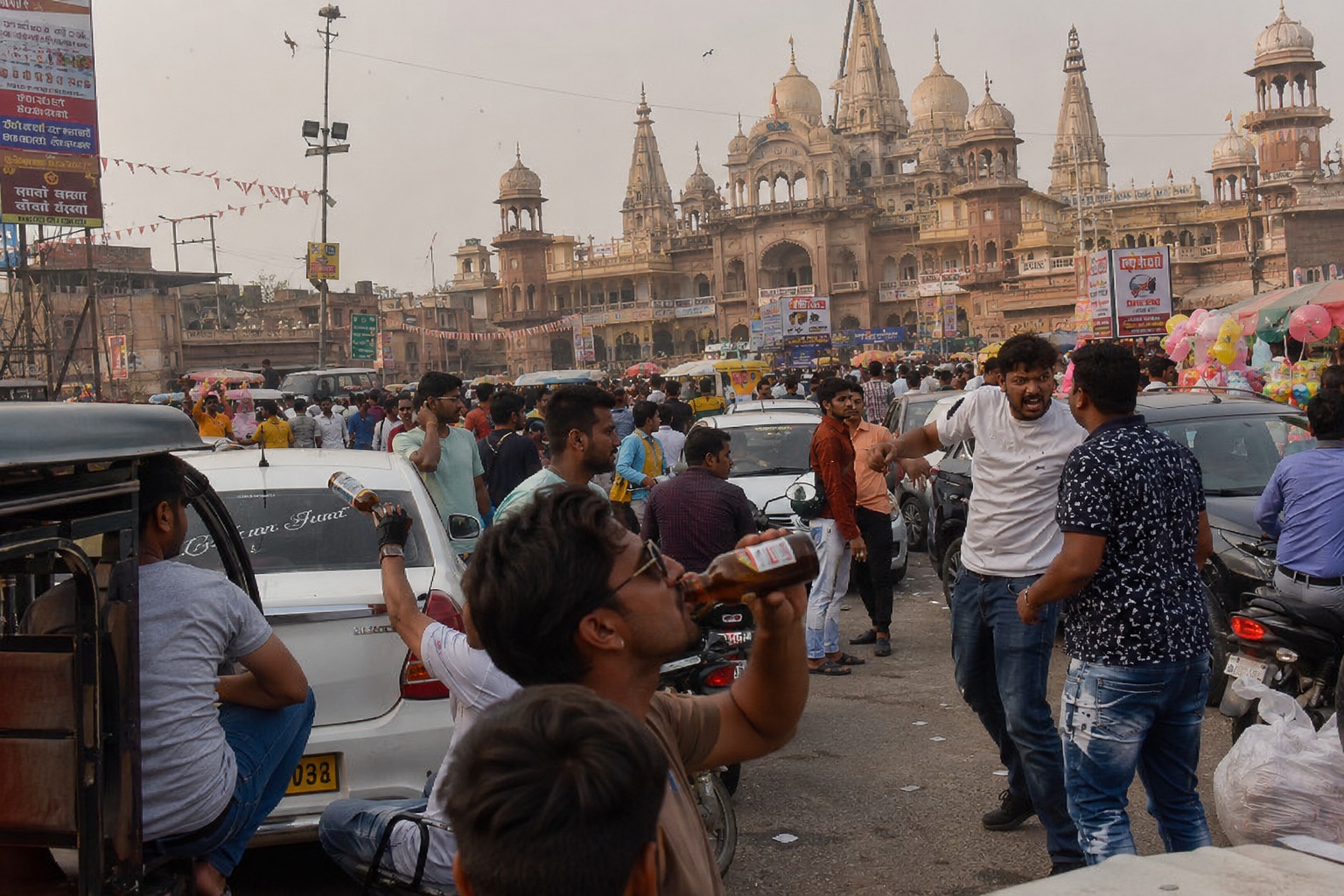
Third reason: Human carelessness. Entering the river after drinking alcohol, leaving children unsupervised, not guessing the depth, and biggest of all ; the dangerous obsession with selfies. Young people often go beyond shallow water without thinking about what lies beneath. In boats too, overcrowding, not wearing life jackets, and carelessness of boatmen is common. The same was seen in the Keshi Ghat accident; the boat hit the pontoon because there was no control.
Fourth reason: Imbalance between development and safety. Agra-Mathura-Vrindavan are major religious tourism centers. Crores of rupees are spent on decorating ghats, installing lights, and attracting tourists. But safety arrangements are still left to God. The crowd of devotees is increasing, but not enough attention is paid to their safety. After every accident, statements like “there will be an inquiry, safety will be increased” come out, but after a few days, everything is forgotten.
What do the numbers and reality say?
Every year in summer, many deaths happen in this area. In some cases, accidents have also happened due to sudden rise in water or getting stuck in mud and sludge. At the national level in India, children and youth form a large part of drowning deaths, and carelessness near riverbanks is the main reason. Pollution in the Yamuna is a separate issue, but from a safety point of view, it has become a “gateway to death.”
Immediate steps are needed at the government level:
– Strong barriers at every ghat, clear depth markings, and real-time current warning systems.
– Permanent posting of trained lifeguards and divers.
– Strict rules for boat operation: capacity limits, mandatory life jackets, boat fitness certificates, and CCTV monitoring.
– Strict control on sand mining and scientific study of the riverbed.
But government action alone is not enough. Social awareness is equally important. A river is not a picnic spot. Families should not let children go into the water alone. Do not enter without checking the depth. Do not ignore local warnings. Always wear life jackets in boats.
The Yamuna is an integral part of our culture and faith. This river connected to Lord Krishna’s pastimes is a symbol of devotion. But faith does not mean jumping into danger with eyes closed. Caution is also part of devotion. Until we adopt personal responsibility and collective alertness, the water of the Yamuna will continue to become a mirror of death instead of a mirror.
These tragedies remind us that the price of playing with nature and carelessness is paid with human lives. Now is the time not just to express grief, but to bring solid change , so that no other family becomes a victim of this deception of the Yamuna.