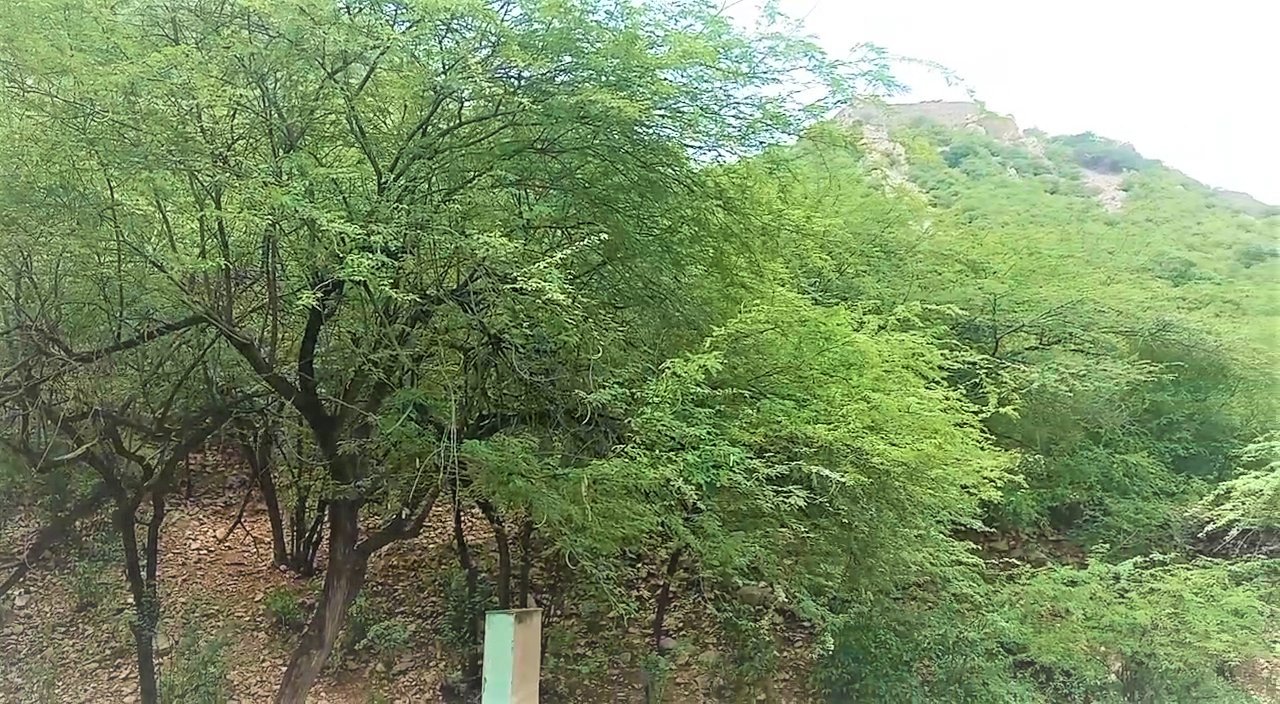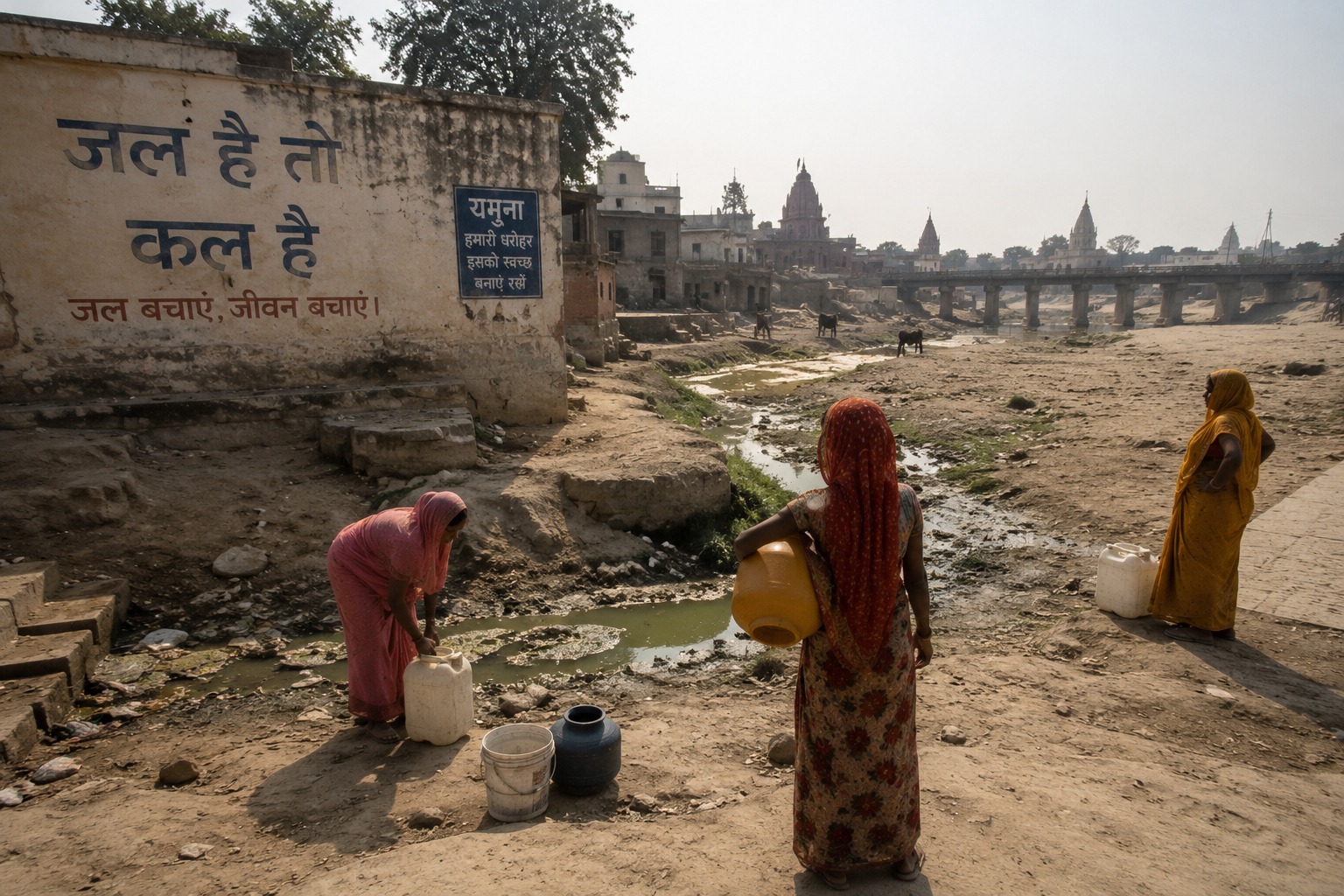
Nauhjheel, Raya and Baldeo blocks witness alarming groundwater depletion; Vrindavan’s real estate boom is adding to the growing water crisis.
Vrindavan Today | Bureau Report
27th June, 2026, Mathura: The combined impact of scorching summers and relentless groundwater extraction is taking a heavy toll on the district’s underground water reserves. Already classified as over-exploited (Dark Zone) areas, the blocks of Nauhjheel, Raya and Baldeo are witnessing a steady decline in groundwater levels, raising serious concerns about future water security.
The Groundwater Department monitors groundwater levels through 83 hydrograph stations across the district. Measurements are carried out every year before and after the monsoon season. A comparison of data from recent years reveals a worrying trend, particularly in Baldeo Block.
Before the monsoon in 2020, the average groundwater level in Baldeo stood at 12.30 metres below ground level. By 2024, it had dropped to 15.90 metres, indicating a significant decline. Raya Block has also experienced a steady fall, with the average groundwater level declining from 6.92 metres in 2020 to 7.68 metres in 2024.
Nauhjheel Block has witnessed a similar trend due to excessive groundwater extraction. Its average groundwater level fell from 9.58 metres in 2020 to 10.02 metres in 2024.
Slight Improvement After the 2025 Monsoon
The 2025 post-monsoon assessment recorded a modest improvement in groundwater levels across the three blocks, but officials say it is far from sufficient to lift them out of the over-exploited category.
In Baldeo Block, groundwater levels rose by 2.01 metres in Fatehpura and 5.01 metres in Jharotha after the monsoon. Raya Block recorded improvements of 3.02 metres in Kharwa and 1.00 metre in Nunera, while some locations in Nauhjheel also showed signs of recharge.
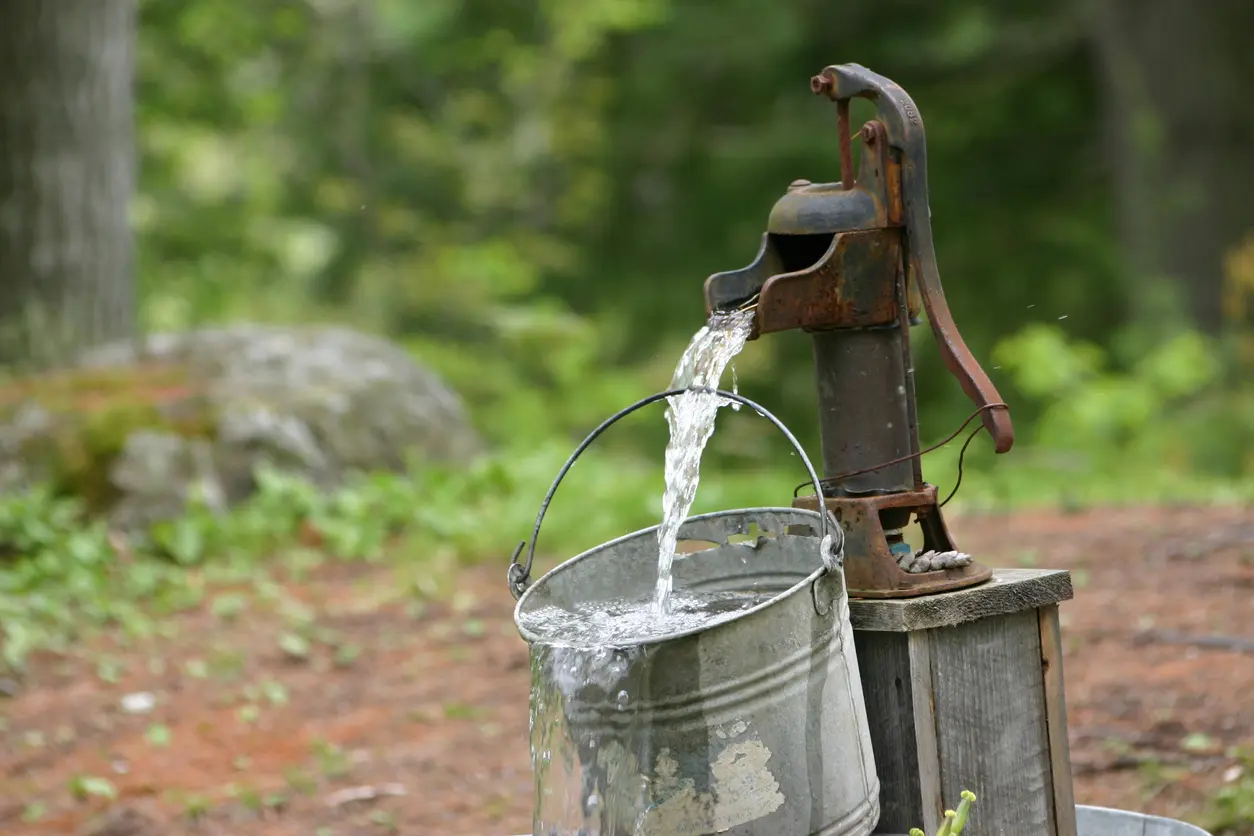
The situation in Vrindavan is no less concerning. Rapid urbanisation and a surge in real estate projects are placing additional pressure on already stressed groundwater reserves. Many residential and commercial developments draw water directly from borewells drilled within their own premises, leading to unchecked groundwater extraction. If this trend continues without strict regulation, widespread rainwater harvesting, and the revival of traditional water bodies, the region’s groundwater crisis is likely to worsen significantly.

Conservation Measures Needed
Experts stress that immediate action is essential to reverse the declining trend. Suggested measures include:
Launching large-scale public awareness campaigns on groundwater conservation.
Taking strict legal action against illegal groundwater extraction and unauthorized submersible pumps, especially in commercial and industrial areas.
Restoring and rejuvenating traditional ponds, tanks and wells so they can once again serve as natural groundwater recharge structures.
According to Balveer Singh, Assistant Engineer, Minor Irrigation Department, groundwater levels are measured every year before the monsoon, and the assessment for 2026 is currently underway. He cautioned that if the district receives inadequate rainfall this year, groundwater conditions in these three blocks could deteriorate further, pushing the region towards a more severe water crisis.