Vrindavan Today | Brij Khandelwal
July 15, 2026, Agra: Here’s a modest request for our leaders and officials: spend just one day walking Agra’s streets without a red beacon, a government car, or a security cordon. Only then will they understand that walking in this city has stopped being a simple errand and become a daily ordeal.
Name one neighbourhood in Agra where a person can walk a footpath without fear. The Yogi government is busy building high-speed expressways, but the safety and dignity of pedestrians never seem to make it onto anyone’s priority list.
The Taj Mahal may be the world’s pride, but a city’s real identity lies in its streets. And Agra’s streets tell an uncomfortable truth: this is no longer a city built for people on foot.
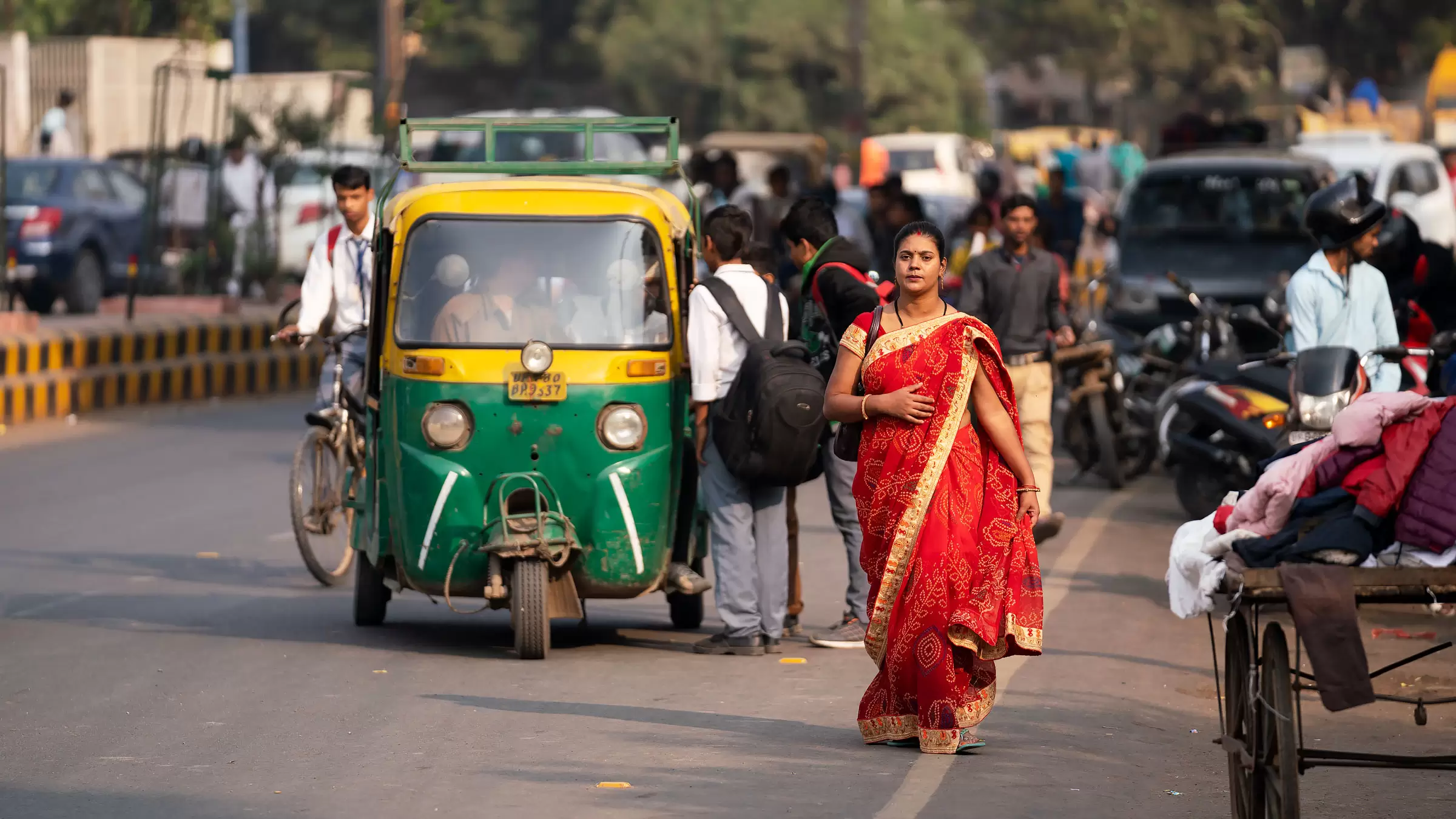
Footpaths meant for ordinary citizens have quietly become extensions of shopfronts, parking bays, handcarts, and encroachments. Goods spill out here, sheds come up there, motorcycles and cars occupy what little space remains. The result is predictable: pedestrians are pushed onto the road itself, walking shoulder to shoulder with speeding traffic.

The same scene repeats across Belanganj, Hospital Road, Loha Mandi, Raja Mandi, Kinari Bazaar, Sadar, and dozens of other neighbourhoods. Footpaths are broken where they exist at all, and where they survive, encroachment has choked them to uselessness.
This isn’t mere inconvenience — it’s a serious public safety crisis. The “Safe Streets for Agra” report notes that pedestrians, cyclists, and two-wheeler riders — the most vulnerable road users — account for a striking share of the city’s traffic fatalities. In other words, those with the least protection are paying with their lives.
Nationally, more than thirty thousand pedestrians die in road accidents every year, and government transport data suggests pedestrians make up roughly a fifth of all road-accident deaths. In Agra, broken pavements, open manholes, missing tiles, and monsoon-flooded potholes multiply that danger many times over.
The elderly, women, children, and people with disabilities bear the brunt of it. Someone falls, someone gets hurt — nearly every day. Minor injuries have become routine; a major tragedy could strike anyone, anytime.
There’s a bitter irony here. Millions of tourists visit Agra each year hoping to experience the city on foot, only to find themselves gambling with their safety amid the traffic. A World Heritage city that isn’t safe for pedestrians is, in a real sense, a failure of urban imagination.
The Supreme Court has recently made it clear that walking on clean, safe, unobstructed footpaths is a fundamental right under Article 21 of the Constitution. The first claim on our roads belongs to pedestrians, not vehicles. Yet in Agra, that right is trampled daily.
It’s time for the municipal corporation to move beyond cosmetic beautification drives. Repairing footpaths, sealing open manholes, fixing drainage, and clearing encroachments must become its foremost responsibility. Shopkeepers cannot be allowed to occupy public land indefinitely. Organised vending zones should be created for street vendors — protecting their livelihoods while restoring pedestrians’ right of way.
The time has come to launch a real “Dear Agra, Give Us Back Our Footpaths” campaign. Citizens can send in photos of broken footpaths, open manholes, and encroachments straight from their phones. The municipal corporation should act within a fixed timeframe and publish a public report every week. Local newspapers, too, should open a permanent column for citizen complaints. Accountability is the only thing that will bring real change.
Bengaluru and several other cities have already begun cracking down firmly on footpath encroachments. When will Agra wake up? Or will our administrators keep sleeping through it all, like latter-day Rip Van Winkles?
A city is not defined by how wide its roads are. It is defined by whether a child, an elderly person, a woman, a person with a disability, or a visiting tourist can walk its streets without fear.
Agra has poured crores of rupees into its monuments. It’s time to invest something in its citizens too.
We want our footpaths back — because a city only earns the right to call itself civilised when its most vulnerable citizen can walk its streets without fear. The Taj Mahal’s beauty will only be complete when the city around it is safe for human beings to walk in.