A historic monument begins to reclaim its place in Vrindavan’s heritage landscape
Vrindavan Today | Bureau Report
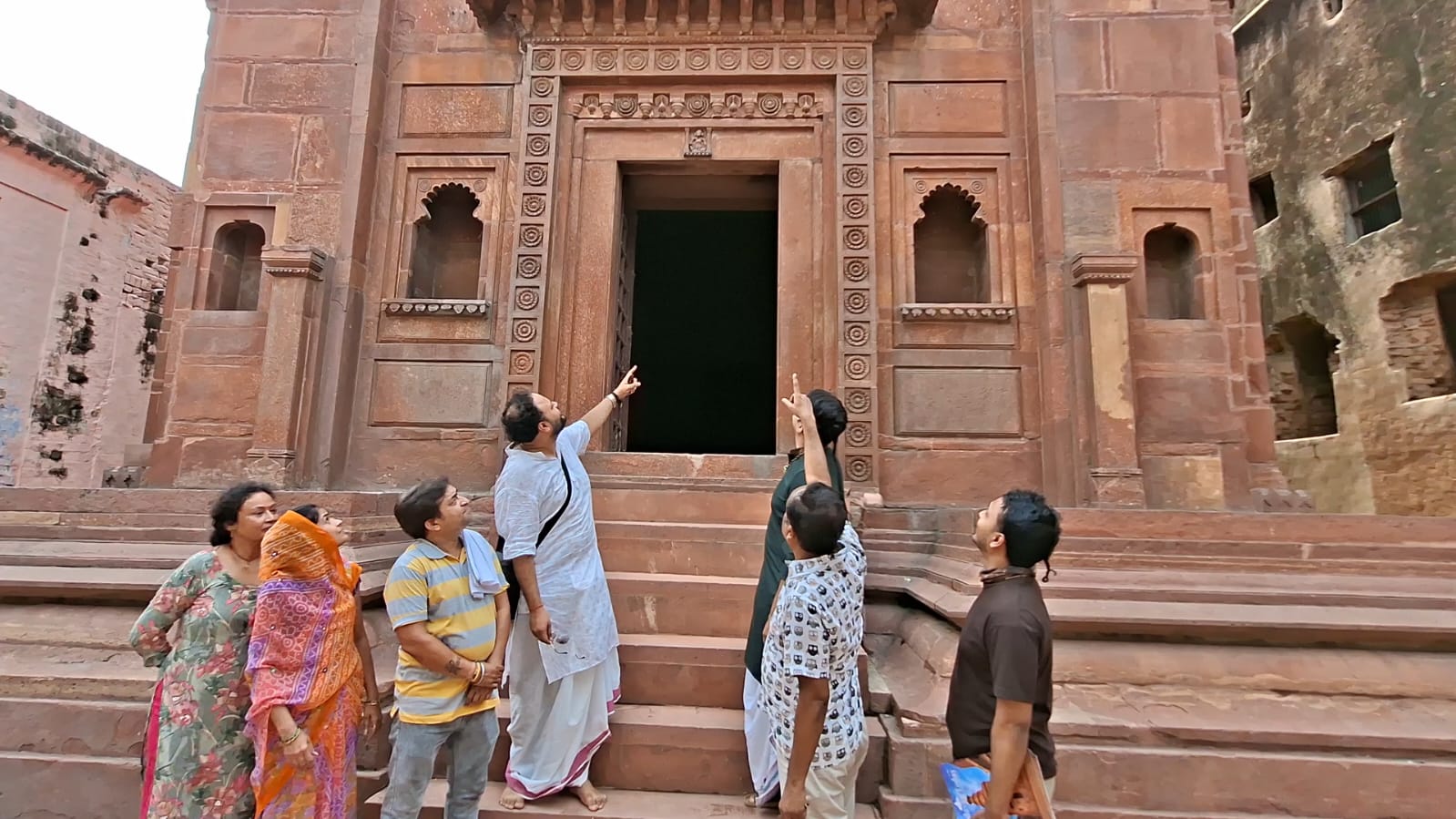
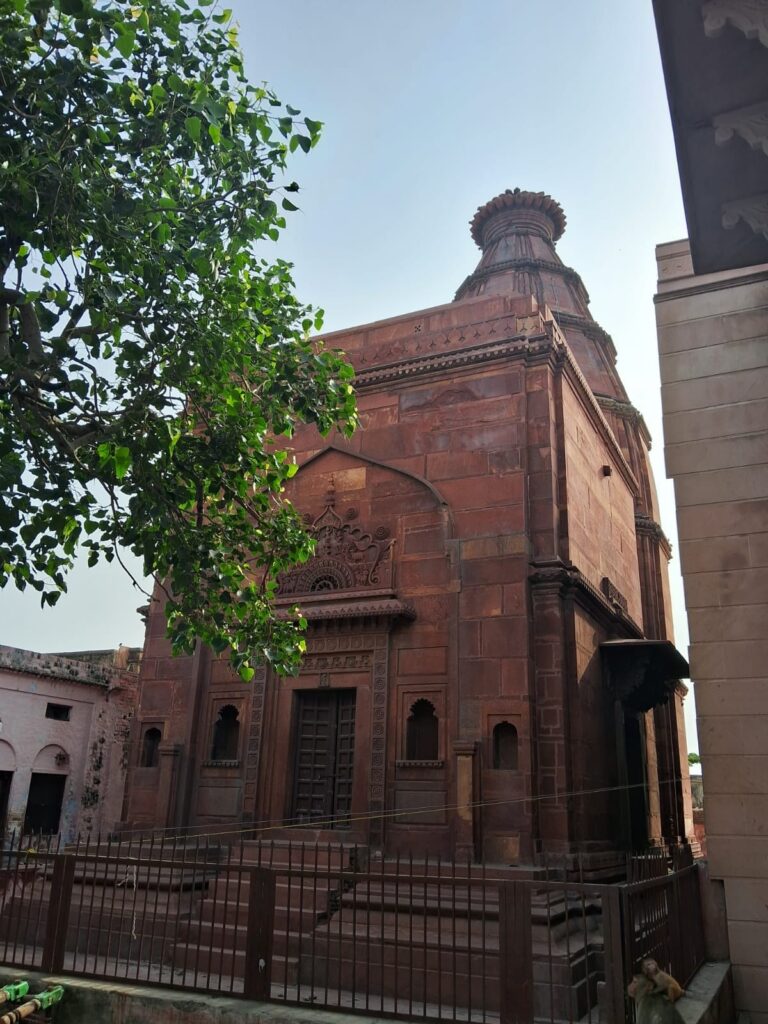
16th August, 2026, Vrindavan: The ancient Yugal Kishor Temple at Keshi Ghat in Vrindavan has finally begun opening regularly to visitors, following sustained efforts by the Braj Vrindavan Devalaya Samiti. The development marks an important first step towards bringing one of the city’s historic temples back into public view after years of remaining largely inaccessible.
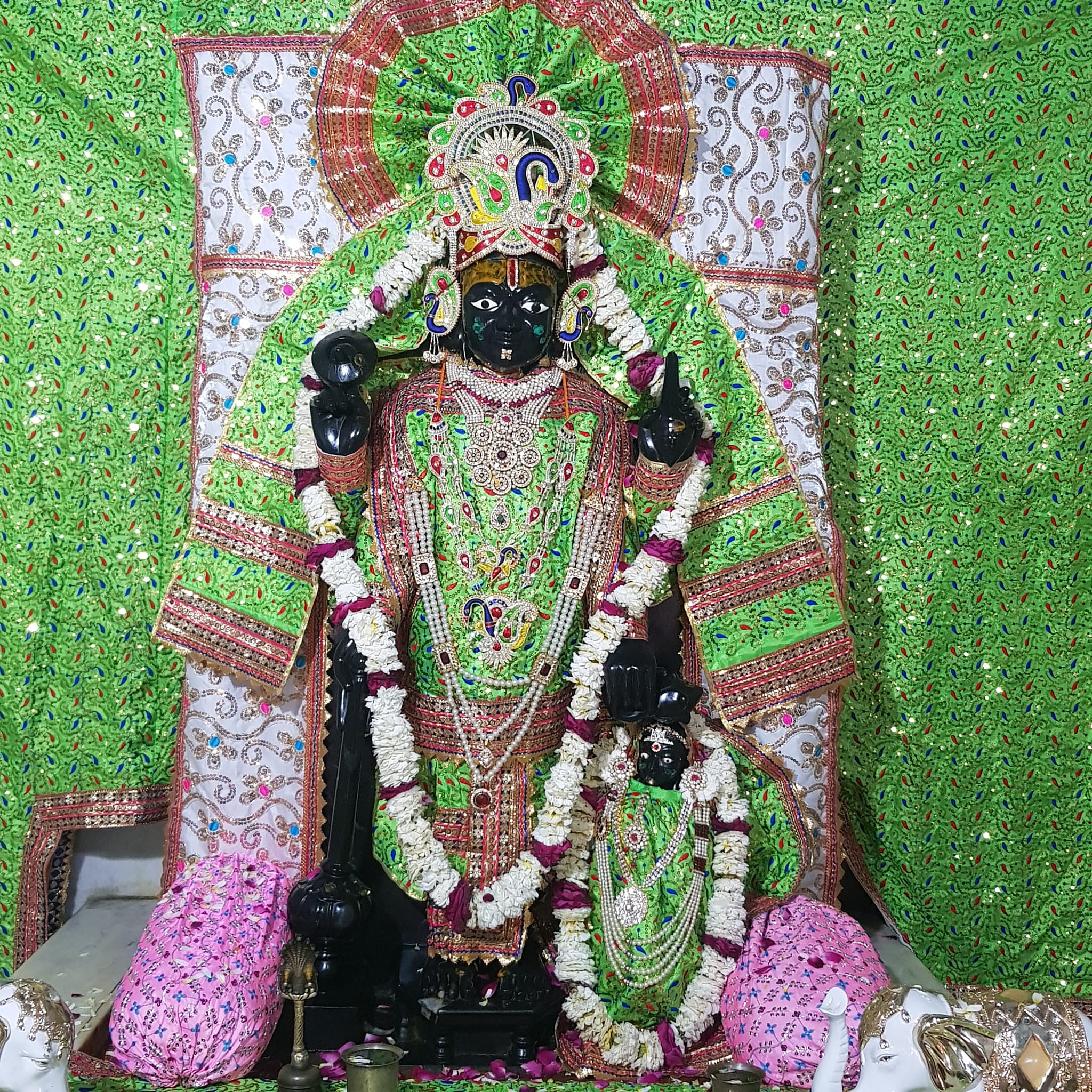
For a long time, the temple remained closed almost all the time, with devotees, visitors and researchers unable to enter the monument. There was no regular arrangement for staff or daily opening. Local residents said that, since the original deity of Yugal Kishor Ji was no longer installed in the temple, it had effectively ceased to function as a regular place of public worship.
However, the absence of the original deity cannot diminish the historical and architectural importance of the monument. A temple is also a record of the religious, cultural and architectural history of its time, and the Yugal Kishor Temple forms an important part of Vrindavan’s historic landscape around Keshi Ghat.
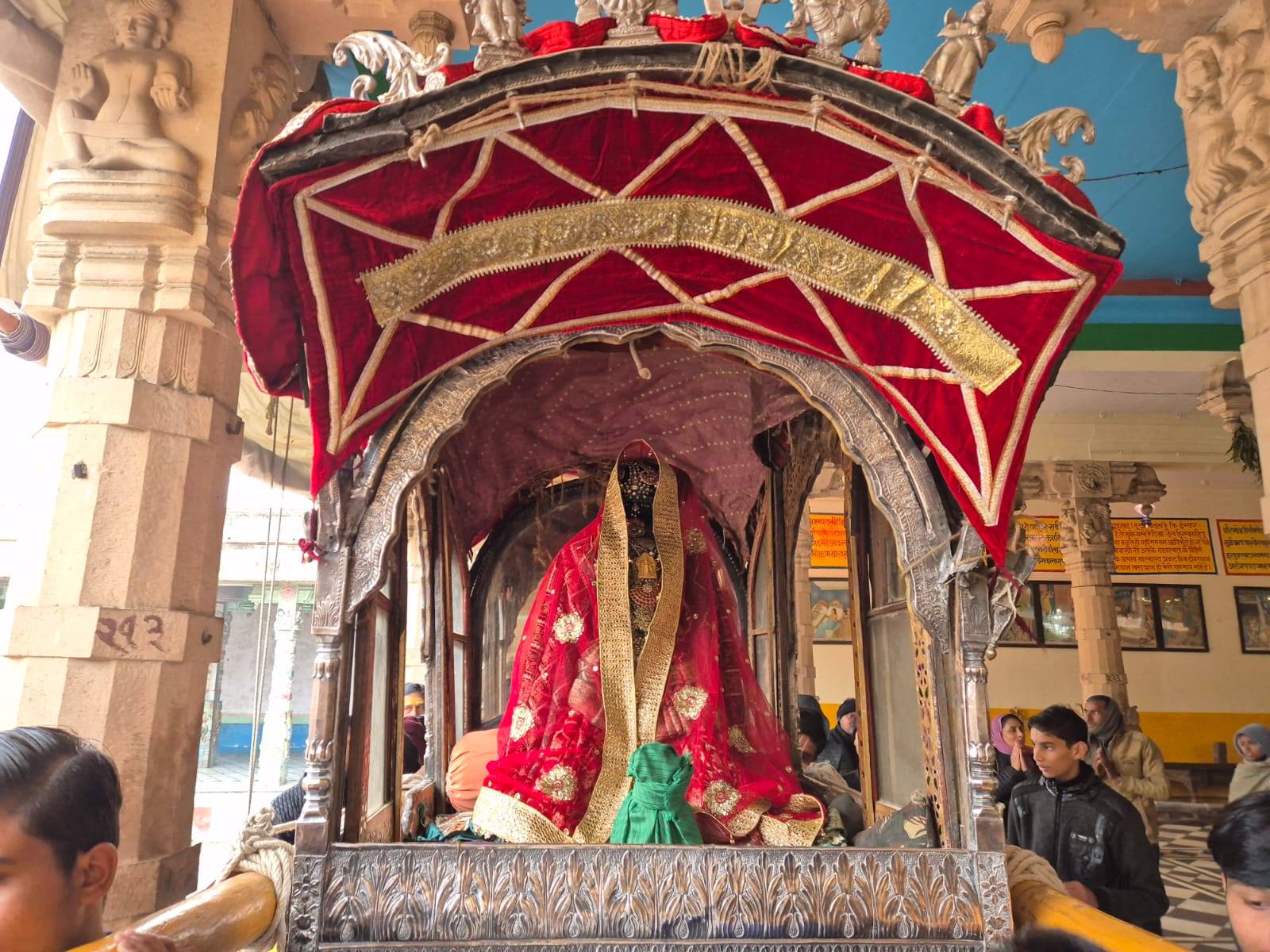
According to Jagannath Poddar, Joint Secretary of the Braj Vrindavan Devalaya Samiti, the temple was constructed in 1627. Later, before 1690, the deity of Yugal Kishor Ji was moved out of Braj due to the threat of Mughal attacks. The movement of important Braj deities during this period is itself an important chapter in the religious history of Vrindavan.
The temple’s reopening is therefore more than a matter of allowing visitors through its doors. It represents an opportunity to reconnect Vrindavan with a significant part of its architectural and cultural past.
Condition of the monument remains a concern
While welcoming the beginning of regular opening, the Devalaya Samiti has emphasised that access must be accompanied by proper conservation and maintenance.
A recent visit to the temple revealed considerable neglect. The premises require proper cleaning, while the staircase leading to the upper floor was found covered with bat droppings. Such conditions are particularly concerning in a protected historic monument, where regular maintenance is essential to prevent deterioration.
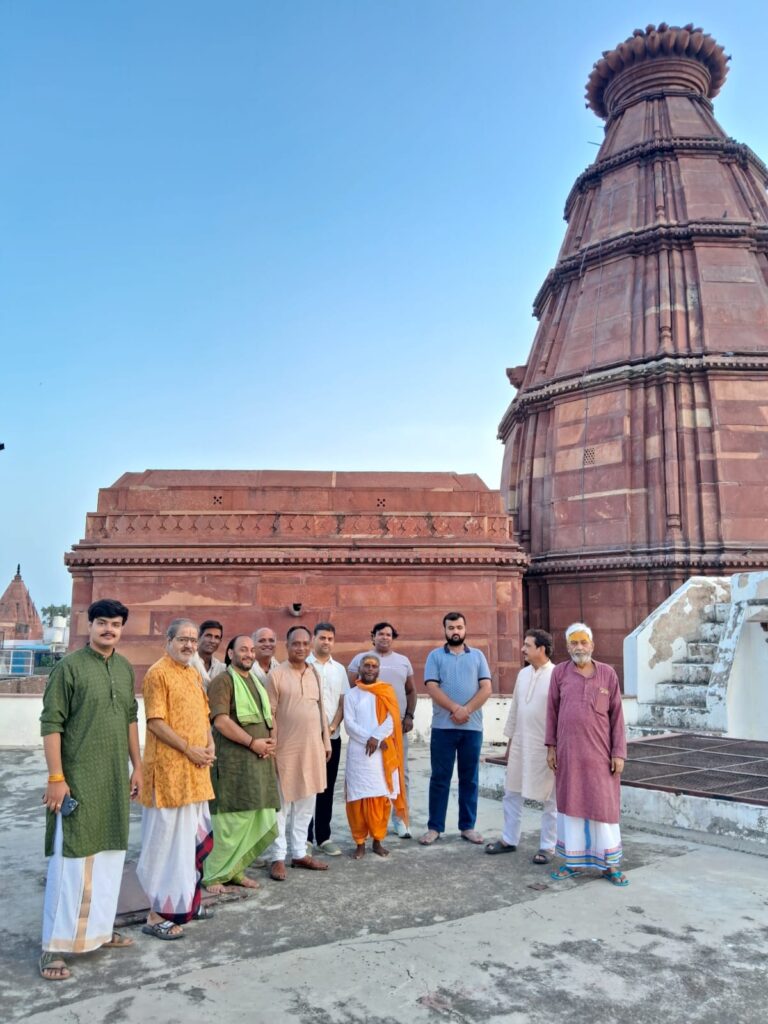
The upper floor is especially important from the point of view of heritage research. Scholars, historians, architects and students should be able to examine the monument and document its architectural details, construction techniques and historical features. For that to happen, the entire monument needs to remain accessible and properly maintained.
The Braj Vrindavan Devalaya Samiti had raised these concerns with the archaeological authorities and met the Superintending Archaeologist, submitting a memorandum seeking regular opening and better maintenance of the temple.
The Samiti had also stressed that the monument should not remain locked simply because the original deity is no longer present. Its historical significance belongs not only to its religious function but also to Vrindavan’s wider heritage.
A welcome beginning, but much more needs to be done
Members of the Devalaya Samiti, including Executive Committee member Gopal Krishna Goswami, Vice President Laxmikant Saraswat, Organising Secretary Deepak Goswami, Balaram Goswami and Dev Goswami, welcomed the beginning of regular opening of the temple.
They said that the next priority should be the systematic cleaning and maintenance of the entire monument, particularly the upper floor. They also called for arrangements that would allow researchers and scholars to visit the monument regularly and study its architecture, history and other important features.
The Yugal Kishor Temple stands close to the historic Keshi Ghat and forms part of the extraordinary heritage zone that makes Vrindavan unique. Yet for years, this historic structure remained virtually invisible to the public.
The regular opening of the temple is therefore a positive development. But it should be regarded as the beginning of the process, not its conclusion.
What Vrindavan needs is a long term conservation approach in which historic temples are not merely preserved as locked monuments, but are properly maintained, documented and made accessible to devotees, visitors and scholars.
The Devalaya Samiti has rightly welcomed the reopening while continuing to demand better upkeep. If these concerns are addressed, the Yugal Kishor Temple can once again occupy its rightful place in the cultural and architectural heritage of Vrindavan.