₹1,645 crore Vrindavan Bypass and elevated road projects aim to ease congestion; riverfront development, restoration of more than 100 traditional water bodies and modern pilgrim facilities underway
Vrindavan Today | Bureau Report
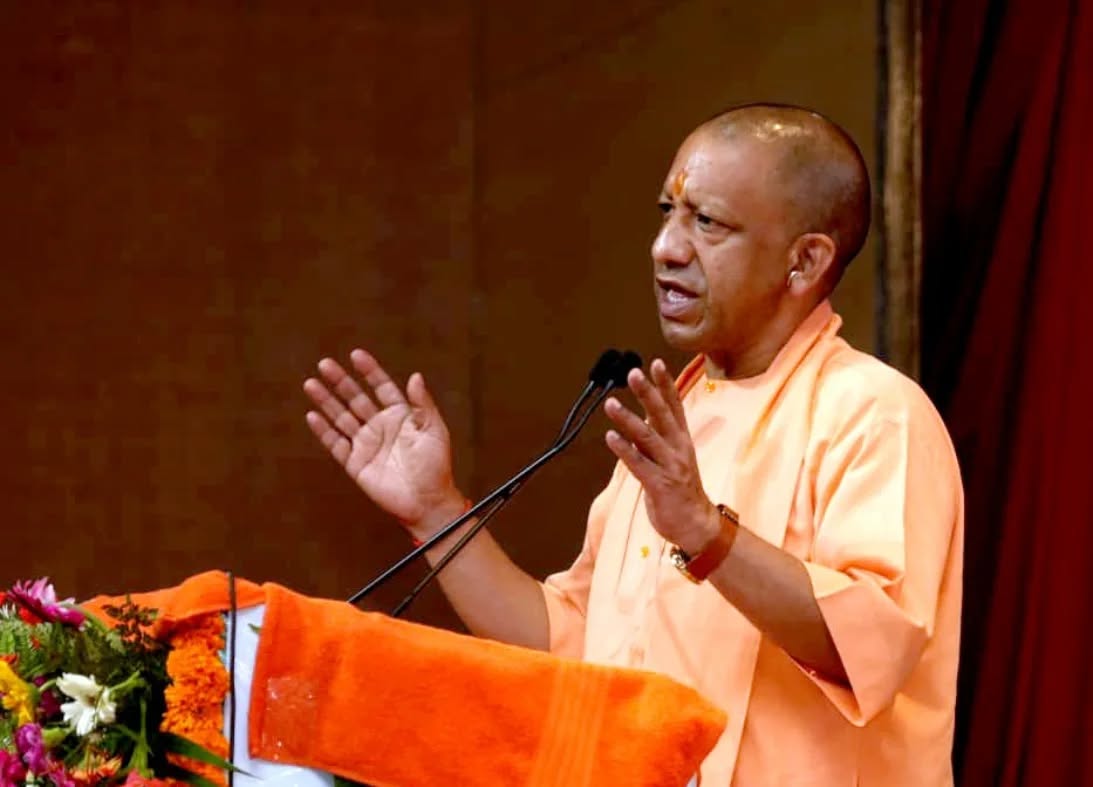
The Uttar Pradesh government under Chief Minister Yogi Adityanath has undertaken an extensive programme of infrastructure and tourism development in Mathura-Vrindavan and across the Braj region, with the stated objective of transforming the land of Lord Krishna into a global religious and cultural tourism destination.
Since the establishment of the Uttar Pradesh Braj Teerth Vikas Parishad (UPBTVP) in 2017, the government has been pursuing the development of Mathura along the lines of major pilgrimage centres such as Ayodhya and Kashi. A ₹30,000-crore master plan encompasses major projects covering roads, transportation, riverfront and ghat facilities, temple corridors and basic pilgrim infrastructure. Several projects have been completed, while others are progressing.
Major Road and Elevated-Road Projects
With the rapidly increasing tourist and pilgrim traffic in Braj, road infrastructure has emerged as a major focus of the development programme.
A 15.4-kilometre Vrindavan Bypass, connecting NH-19 with the Yamuna Expressway, has been approved at an estimated cost of ₹1,645 crore. The bypass is intended to divert traffic away from the congested urban areas and improve connectivity to Vrindavan.
In addition, a four-lane road and elevated corridor, being developed along the alignment of the old railway line between Mathura and Vrindavan, is being constructed at a cost of approximately ₹470 crore. The project is aimed at facilitating smoother movement between the two major pilgrimage centres.
Under the CM Grid (Green Road) Scheme, works costing more than ₹150 crore are also underway on five major city roads, including areas around Shri Krishna Janmabhoomi and Govind Nagar. The works include CC roads, underground cabling and development of footpaths.
A proposal to develop a Heritage City near Raya on the Yamuna Expressway is also being pursued, with pilgrimage routes proposed to be linked with a commercial hub.
Ghats, Yamuna and Restoration of Traditional Water Bodies
The Yamuna and the traditional water bodies of Braj form an important part of the region’s cultural and religious identity. According to the development programme, substantial attention has been given to the improvement and restoration of ghats and water bodies.
Coastal and pilgrim facilities from Vishram Ghat to Keshi Ghat in Mathura have been taken up for expansion and beautification.
In Vrindavan, construction of a new Akrur Ghat, at a cost of ₹7.6 crore, is underway. A cable-stayed suspension bridge over the Yamuna near Devaraha Baba Ghat has also been approved.
To highlight the architectural character of the historic ghats and important heritage structures, modern façade lighting has been installed at Keshi Ghat and along prominent buildings on the parikrama route.
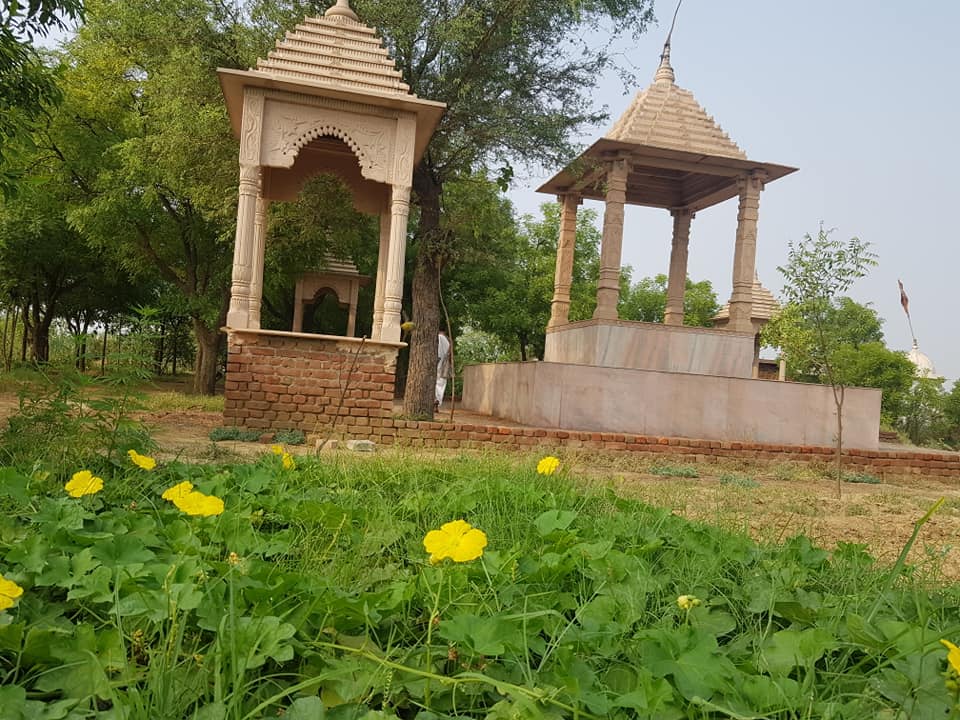
The restoration programme also includes the Saubhari Rishi water body at Sunrakh and the Vajranabh Samadhi complex at Karhala. In addition, more than 100 ancient kunds and water bodies across Braj have undergone eco-restoration aimed at reviving these traditional water systems.
Parking and Modern Facilities for Pilgrims
With millions of pilgrims and tourists visiting Braj, parking and visitor infrastructure have become an important component of the development programme.
A multilevel parking facility near the Tourist Facilitation Centre (TFC) in Vrindavan has been constructed at a cost of ₹38 crore. Large parking facilities have also been developed in Govardhan and Barsana.
Modern Tourist Facilitation Centres in Vrindavan and Barsana, involving an investment of more than ₹35 crore, have been constructed and expanded to provide improved facilities for visitors and pilgrims.
To promote cleaner public transport between Mathura and Vrindavan, new e-bus terminals have been developed. Electric bus services have also been introduced, along with charging stations.
Temple Beautification and Pilgrimage Corridors
Temple areas and major pilgrimage routes are also being upgraded as part of the broader development programme.
A major corridor around the Banke Bihari Temple in Vrindavan is being planned to facilitate crowd management and improve the movement and convenience of devotees.
The approach roads, intersections and streets around the Shri Krishna Janmabhoomi area have been enhanced through heritage lighting and façade development.
The 21-kilometre Govardhan Parikrama Marg and the Barsana Parikrama Marg have been widened, with facilities including shelters, holding areas, drinking water points and public toilets being developed for pilgrims.
The government has also developed grand mythological-style gateways at district borders and along expressways to provide a distinctive cultural identity to visitors entering Braj.
Other projects include the development of facilities at the Gita Research Institute and guest houses and convention centres at the Rasleela Academy.
Safe City, Surveillance and Waste Management
Security and surveillance have also been incorporated into the region’s infrastructure expansion.
Under the Safe City project, more than 5,000 CCTV cameras have been installed across the Mathura-Vrindavan area. The surveillance network is being monitored through the Integrated Command and Control Centre (ICCC).
Alongside security infrastructure, waste management and cleanliness initiatives are being developed. These include an Integrated Flower Management Centre and a Solid Waste Management Plant.
Permanent and modern facilities for pilgrims have also been developed at the Kumbh Mela Ground, strengthening the area’s capacity to host large gatherings.
A New Development Framework for Braj
The government’s development programme represents a broad attempt to upgrade the infrastructure of Mathura-Vrindavan while simultaneously strengthening the region’s position as a major centre of religious tourism.
With investments spanning highways, bypasses, elevated roads, ghats, parking facilities, electric mobility, temple corridors, heritage lighting, water-body restoration, surveillance and waste management, the ₹30,000-crore master plan seeks to create an integrated development framework for Braj.
The challenge going forward will be to ensure that this large-scale infrastructure expansion remains compatible with Braj’s centuries-old religious heritage, traditional landscape, Yamuna ecosystem and cultural character, which together constitute the region’s unique identity.