Narmada, Tehri and Mathura show when environmental activism strengthens development, and when it merely obstructs it
Vrindavan Today | Brij Khandelwal
23 October 2026, Agra: “Show us even a single project in this country where these alleged environmental activists have said that we welcome this project… In this country, this kind of litigation is filed only to stall all development projects.”
Chief Justice Surya Kant’s bench made these remarks on 11 May 2026 while hearing a challenge to the environmental clearance for expanding Gujarat’s Pipavav Port. They touched a nerve in a long-running debate: are India’s self-appointed guardians of nature protecting the environment, or using ecological concerns to block economic progress?
India needs clean air, flowing rivers and protected forests. It also needs dams, power stations, ports and industry. The trouble starts when opposition precedes the evidence, risks are exaggerated, and every proposal is treated as a looming disaster.
The cycle is familiar: raise an alarm, win headlines, file a petition, delay the project, move on. Whether vested interests, such as political rivals or competing businesses, sometimes fuel these campaigns deserves investigation, but that must be established, not assumed.
The test is simple. When objections become immune to evidence, activism becomes obstruction. Three landmark projects show what that looks like.
Narmada: the benefits the opposition underweighted
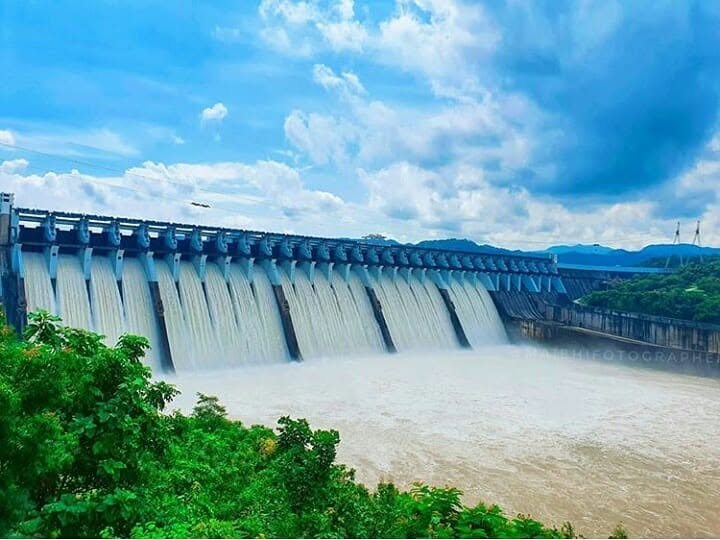
For decades, Medha Patkar and the Narmada Bachao Andolan opposed the large dams of the Narmada Valley, especially Sardar Sarovar. Their concerns about displacement, tribal rights and rehabilitation were serious and remain so. But did the movement give equal weight to what the projects could deliver to millions?
Sardar Sarovar’s canal network now carries water to drought-prone Saurashtra and Kutch, and into parts of Rajasthan. Towns and villages that once struggled for drinking water have more dependable supplies, and irrigation has reduced farmers’ reliance on erratic monsoons. In Madhya Pradesh, the 1,000-megawatt Indira Sagar Dam adds hydropower and irrigation.
These are tangible gains, not promises on paper.
The real question is whether a project’s benefits justify its costs, and whether those who bear the costs are treated fairly.
Tehri: engineering against the odds
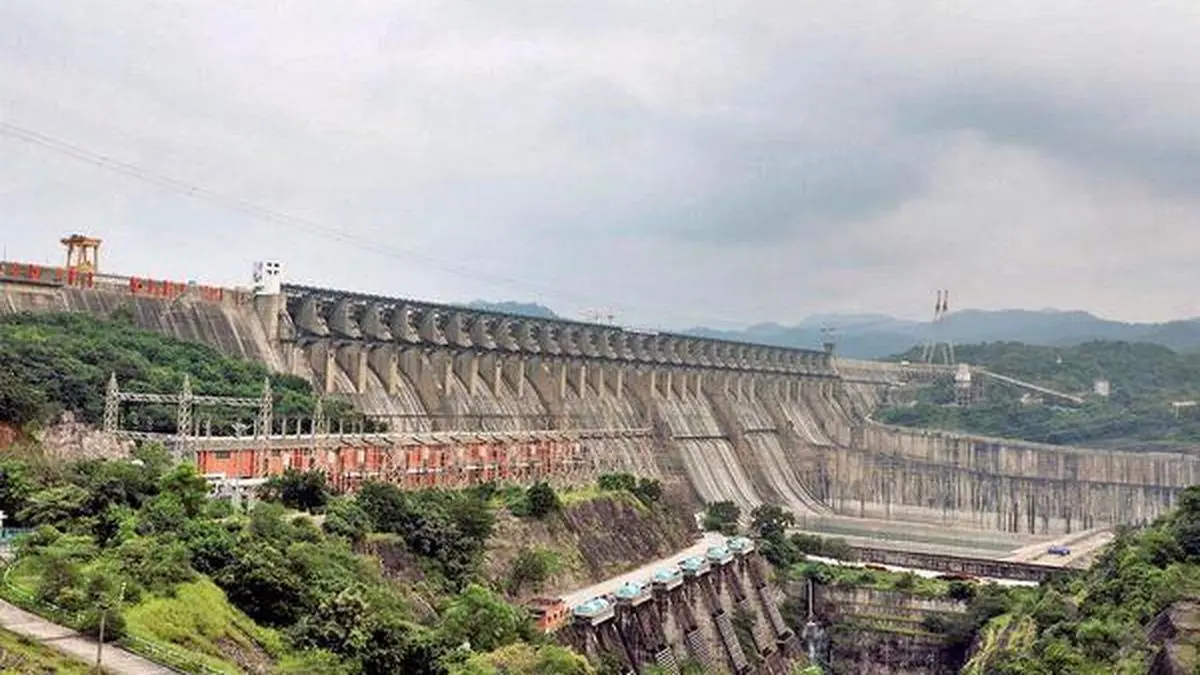
Sunderlal Bahuguna, the revered Chipko leader, fought Tehri Dam with hunger strikes, protests and court challenges that kept the controversy alive for years. The dam was completed in 2006 and stands 260.5 metres high. With the 400-megawatt Koteshwar project and a 1,000-megawatt pumped-storage plant, fully commissioned by April 2026, the complex has 2,400 megawatts of installed capacity.
That is a major contribution to the northern grid. The reservoir also supplies drinking water to Delhi and other population centres, irrigates parts of Uttar Pradesh, offers some flood moderation and supports tourism around Tehri Lake.
And the feared catastrophe? The earth-and-rockfill dam was designed for the region’s seismic risks and has operated since 2006 without a breach. That does not make safety a closed question; monitoring must continue. But the lesson stands: judge projects by documented risks, engineering standards and actual performance, not by the volume of protest.
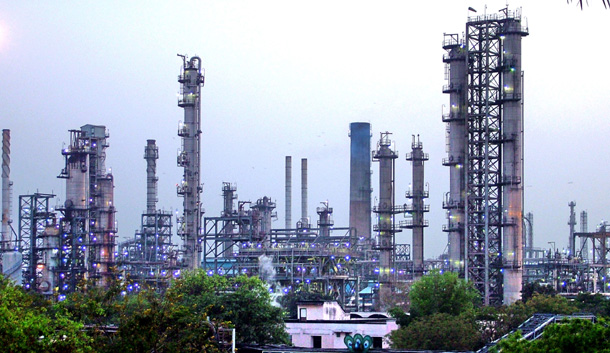
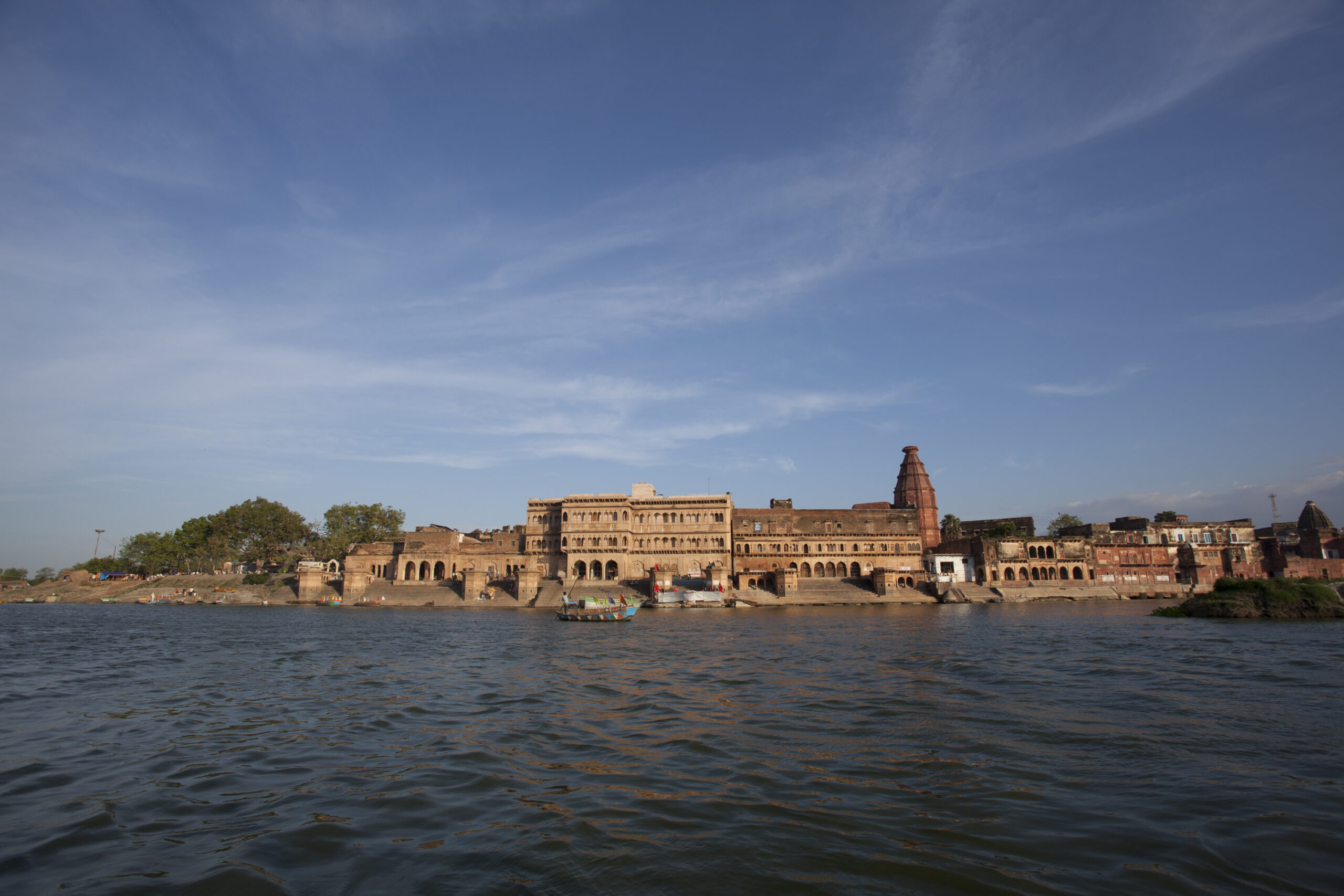
Mathura: industry and the Taj
When Indian Oil proposed the Mathura refinery in the 1970s, conservationists asked whether emissions could damage the Taj Mahal, roughly 40 to 50 kilometres away. Expert committees reviewed the question, and the refinery was commissioned in 1982 with safeguards.
Since then it has added sulphur-recovery units and cleaner-fuel technology, while the Taj Trapezium Zone rules have restricted pollution across the wider region. The refinery now supplies fuel to northern India, including the National Capital Region, and its capacity has grown from six to eight million tonnes a year, supporting jobs, revenue and industry.
The Taj was worth protecting, and the safeguards were a fair price for the refinery. Whether the risks meant it should never have been built is a conclusion that needs evidence too. Mathura suggests industry and heritage can coexist when safeguards are effective and enforced.
Evidence, not endless litigation
The Pipavav case returns us to the central point. Prolonged legal battles raise costs, postpone jobs, deter investment and leave infrastructure unfinished, and the poorest communities, who most need water, power and transport, often pay the most. Courts must step in when laws are broken, but litigation is no substitute for evidence-based decisions.
Narmada shows what dams can deliver, with displacement and rehabilitation still unfinished obligations. Tehri shows what engineering can achieve, with safety a permanent duty.
Mathura shows regulation can reconcile industry and heritage. Blanket opposition ignores all three lessons.
India needs genuine green crusaders, not armchair alarmists: development with safeguards, not obstruction without evidence. The test for every campaigner is whether they will accept the evidence when it contradicts their predictions.

Support Vrindavan Today: Help us preserve the rich spiritual, cultural and environmental heritage of Braj. Your generous contribution will strengthen our efforts to document Vrindavan’s timeless traditions, protect its sacred heritage and raise a voice for the conservation of Braj. Every donation, big or small, helps us continue this mission. Donate today and become a part of our journey to preserve the soul of Braj. You can sponsor articles also. Donation made to Vrindavan Today is tax exempt u/s 80 G of the IT act. You can also help us by placing order of an advertisement of your product, which we will publish here in this site. Email us on: [email protected] or whatsapp us on 7456930889