By Brij Khandelwal
Mathura/Vrindavan, April 18, 2026
Every day, tens of thousands of devotees stream into the sacred towns of Vrindavan, Mathura, Goverdhan, Barsana, Gokul, Nandgaon, and beyond, drawn by unwavering devotion to Sri Krishna and Radha. On major festival days, crowds swell to several lakhs.
In 2023, Mathura-Vrindavan alone recorded nearly 79 million visitors; by 2024, the figure crossed 90 million; and in 2025, the Braj region surpassed 100 million pilgrims and tourists. Yet for this unprecedented tide of the faithful, one humiliating reality remains unchanged: clean, functional public toilets are almost non-existent.
Residents, sadhus, social activists, doctors, and local traders are now speaking out in unison. The chronic shortage of sanitation infrastructure in Braj Mandal is no longer a mere inconvenience—it is a full-blown public health crisis, an environmental disaster polluting the sacred Yamuna and its ghats, and a profound disgrace to one of Hinduism’s holiest lands.
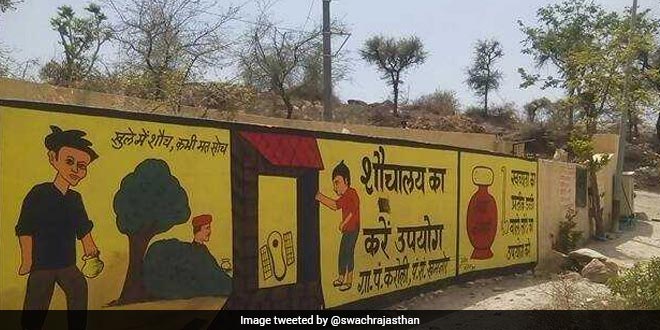
On the 21-kilometre Goverdhan Parikrama route, the scene at dawn is shocking. Lakhs of pilgrims circumambulate the holy hill day and night, yet toilet facilities are virtually absent. Most have no choice but to relieve themselves in open fields and along pathways. “It is such an unholy sight,” laments Birjo Baba, a longtime panda of Goverdhan. “Dharamshalas have a few toilets, but they are woefully inadequate in number and condition. The local administration has simply failed to act.”
The crisis is equally acute around Mansi Ganga and other sacred ponds, where pilgrims gather in huge numbers. Open defecation here directly contaminates holy waters, adding to the already severe pollution of the Yamuna from untreated sewage and waste.
The problem repeats everywhere. In Mathura, long queues of people can be seen relieving themselves against the walls of the bus stand and railway station, not out of disregard for sanctity, but because existing toilets are waterless, overflowing with filth, and unbearable to enter. “People literally shudder at the thought,” says an NGO functionary. Women’s facilities are almost non-existent, or so unsafe and unhygienic that doctors routinely warn female pilgrims against using them, citing high risks of urinary tract infections (UTIs), a common and painful affliction for women forced to hold it in or seek unsafe spots.
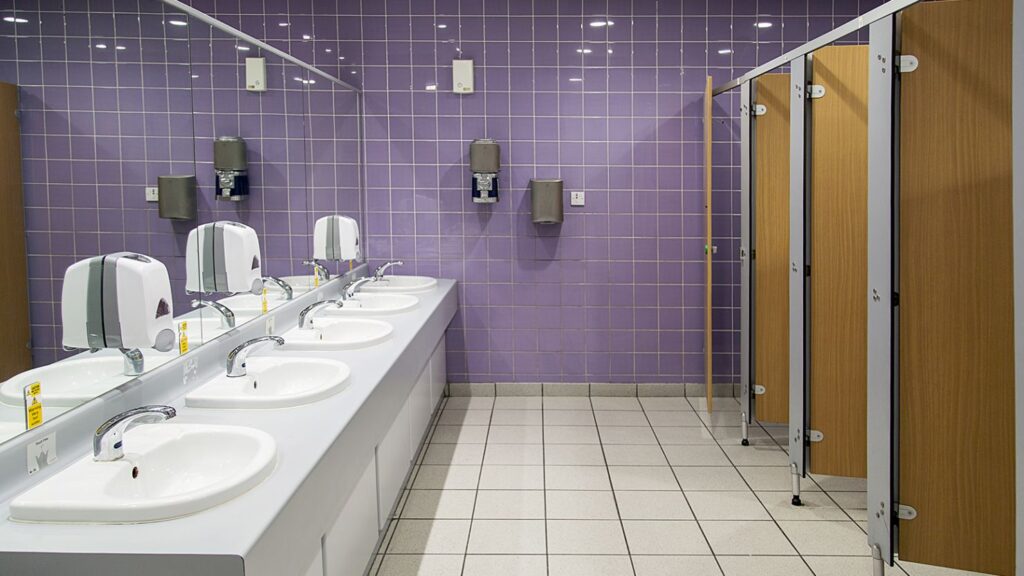
In Vrindavan, the few Sulabh Shauchalayas installed years ago have fallen into disrepair, with upkeep largely abandoned. Social activist Joy Poddar notes that Sulabh International has redirected focus elsewhere, leaving the exploding visitor load unaddressed. The situation in Barsana, Nandgaon, Gokul, Mahavan, and smaller shrines is no better, often worse.
“The public toilets here are like drops in an ocean,” says local guide Govind Sharma. “The handful that exist are poorly maintained, with excreta often spilling onto roads and pathways.” Major sites like the Jai Gurudev temple draw over a million visitors yearly on their own. Layer on near-monthly festivals, each attracting lakhs for parikrama and darshan, and the sanitation gap becomes catastrophic.
Vrindavan businessman Ansu Gopal states bluntly: “Vrindavan has become a globally renowned pilgrimage centre, with thousands arriving daily and lakhs on special occasions. People desperately need facilities near temples, along ghats, in the forests, and on every parikrama marg. The state government must treat public hygiene as its top priority, not an afterthought.”
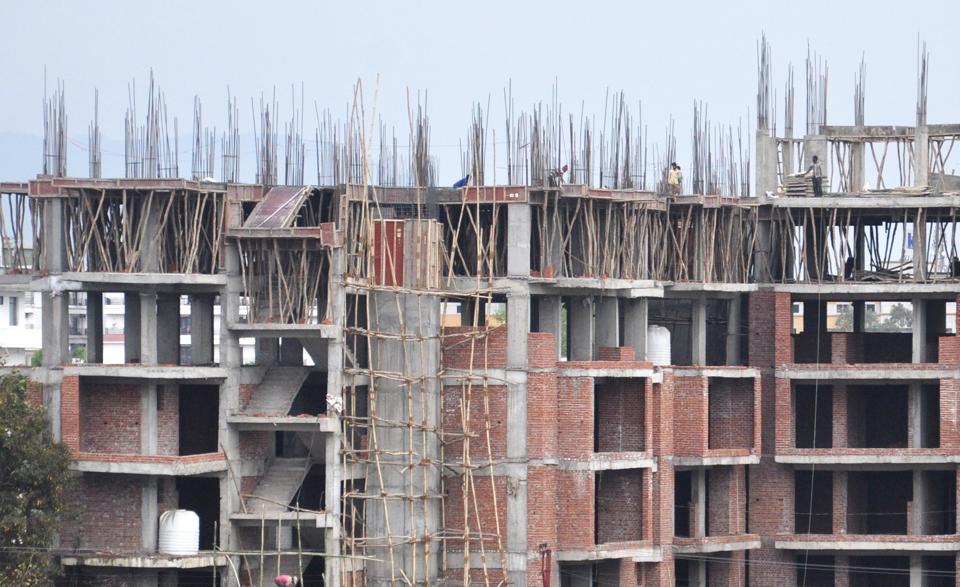
Traders and civic voices emphasize that new construction alone won’t solve it. “Far more critical is regular cleaning, guaranteed water supply, and permanent deployment of safai karamcharis,” says Rajendra Agarwal. Without this, even new toilets quickly become unusable. Businessman Kanhaiya Lal demands accountability: “The Mathura Vrindavan Development Authority should make sewer connectivity and adequate public toilet provisions mandatory for every new house, shop, or complex approval. Even many existing schools lack proper facilities.”
The burden falls heaviest on women, especially elderly pilgrims. “Men can somehow manage in the open,” notes social activist Rajesh, “but imagine the indignity, lack of privacy, safety risks, and health consequences for women and girls.” The near-total absence of clean, secure women’s toilets in markets, near temples, and along routes forces many to restrict their intake of food and water, or risk infections that doctors link directly to poor sanitation.
Scenes of people defecating along roadsides, open drains, Yamuna banks, and sacred pond shores have become the daily norm in Braj. “The holy land of Sri Krishna and Radha deserves far better,” says a Vrindavan music maestro. “This crisis demands urgent action, on a scale more pressing than grand new projects.”
With pilgrim numbers surging year after year, already exceeding 100 million annually in the Braj region, the window for meaningful intervention is closing rapidly. A comprehensive, coordinated network of clean, water-supplied, well-maintained public toilets, strategically placed at every major shrine, parikrama route, ghat, market, and transit point, is no longer optional. It is an immediate, non-negotiable necessity, to protect devotees’ health, dignity, and the sanctity of Braj itself.