20 December, 2025 (Vrindavan Today News): Vrindavan is once again stained by a tragic and entirely avoidable death. A 13-year-old girl, Radhika Sharma, lost her life on Thursday evening after being run over by an overloaded and recklessly driven e-rickshaw—yet another grim reminder of the unchecked chaos on the town’s roads.
Radhika, who was living with her relatives in Vrindavan for her education while her parents reside in Shamsabad, Agra, had stepped out of her home to buy a few items from a nearby shop along with her younger brothers. Near the old electricity office at Nagar Nigam Chauraha, an overloaded e-rickshaw, reportedly speeding and out of control, struck the child with such force that she sustained fatal injuries. She was rushed to the District Combined Hospital, where doctors declared her dead on arrival.
Following the incident, enraged locals and passersby stopped the e-rickshaw, apprehended the driver, and handed him over to the police. According to Vrindavan Station House Officer Sanjay Pandey, the accused driver, a resident of Mant, has been arrested. But for Radhika’s family, this arrest offers little consolation—their daughter is gone forever.
A Known Threat, Ignored Repeatedly
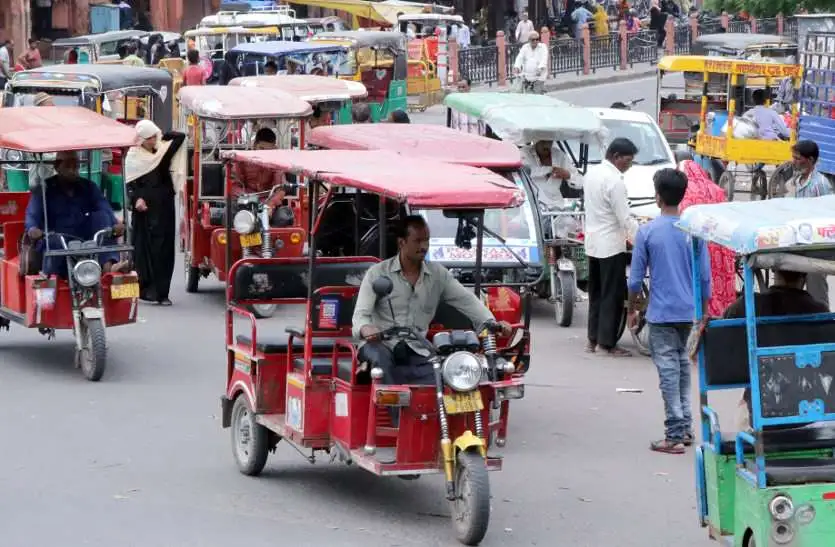
This tragedy is not an isolated incident. It is part of a long and deadly pattern that exposes the complete failure of traffic regulation in Vrindavan. Overloaded e-rickshaws, operating without fear of law enforcement, have turned the town’s narrow streets into death traps. Despite repeated accidents, injuries, and fatalities, authorities have failed to impose meaningful control on their operation.
The danger posed by e-rickshaws has been well known for years. On July 31, 2022, during the Hariyali Teej festival, a four-year-old child, Ojas Bihari, was crushed to death by an overloaded e-rickshaw on the Parikrama Marg. The family, pilgrims from Chhattisgarh, had just completed darshan of Thakur Banke Bihari Ji and were walking peacefully when the speeding vehicle mowed down the child. The driver fled the scene, and the child died on the spot. That death, like many others, failed to trigger systemic reform.
Sacred City, Lawless Roads
Vrindavan is not just another town—it is a global spiritual destination. Yet its traffic system resembles lawlessness rather than governance. E-rickshaws routinely flout capacity limits, drive on the wrong side, overspeed in congested areas, and operate without proper monitoring. Children, elderly residents, pilgrims, and pedestrians are the most vulnerable victims of this disorder.
The core issue is not merely reckless drivers; it is administrative apathy and traffic mismanagement. There is little enforcement of speed limits, no effective cap on passenger numbers, inadequate route planning, and a near-total absence of accountability. Each fatal accident is followed by outrage, promises, and silence—until the next life is lost.
How Many More Lives?
Radhika Sharma’s death raises a painful question: how many more children must die before the authorities act decisively? Regulation of e-rickshaws, strict penalties for overloading and rash driving, designated routes, speed governors, and continuous traffic policing are no longer optional—they are urgent necessities.
Vrindavan’s sanctity cannot coexist with administrative negligence. A city that preaches compassion and devotion must not allow its streets to become killing grounds. If this tragedy too fades into routine statistics, the blame will rest not only on the driver, but squarely on a system that allowed the menace to grow unchecked.
Radhika’s life cannot be brought back. But her death must not be allowed to become just another ignored headline.