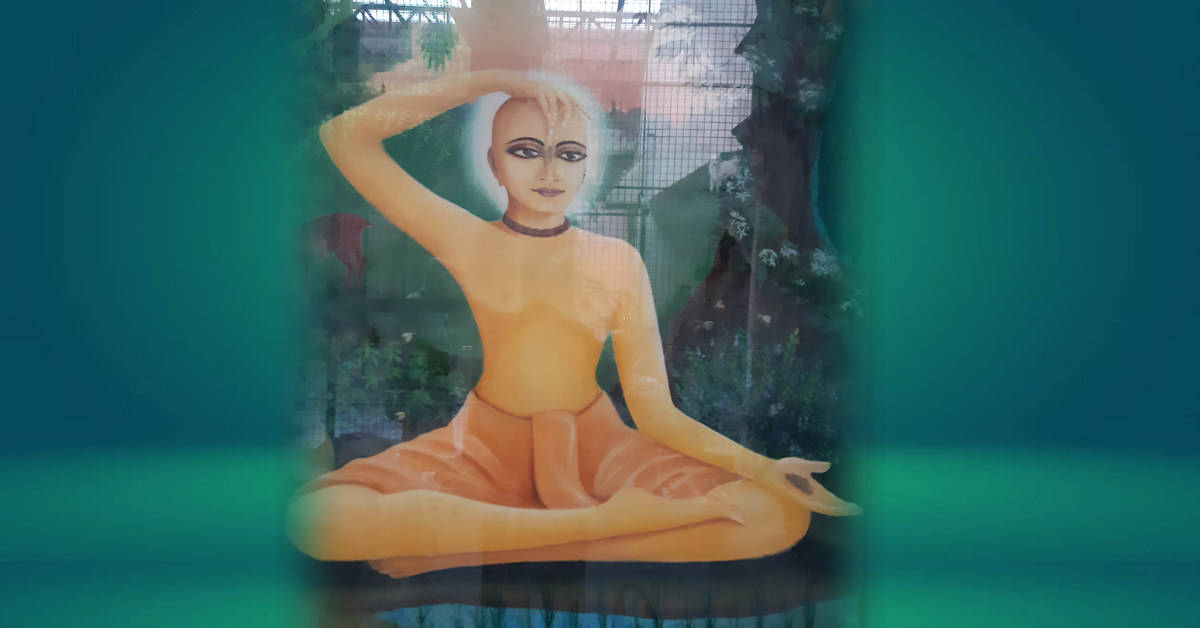
Shri Chaitanya Mahaprabhu taught Sanatana Goswami about the character of a genuine devotee
Vrindavan Today | Bureau Report
In the Chaitanya Charitamrita (Madhya-lila 22.78–80), Sri Chaitanya Mahaprabhu describes to Srila Sanatana Goswami the qualities that distinguish a true Vaishnava. His teaching makes an important point: Vaishnavism is not defined merely by external appearance i.e by tilak, robes, beads or other religious symbols; but by devotion to the Supreme Lord and the transformation of one’s character.
According to Mahaprabhu’s teaching, even hearing the holy name of Krishna from a person’s mouth is enough to recognise a Vaishnava. But to become an ideal or pure Vaishnava, one must cultivate the qualities of a devotee through spiritual practice and conduct.
The twenty-six qualities described in the Vaishnava tradition are:
Kripalu — Merciful: A Vaishnava is compassionate and kind towards all living beings.
Akrta-droha — Non-envious and harmless: He does not harbour hatred, hostility or the desire to harm anyone.
Satya-sara — Truthful: Truth and integrity form the foundation of his character.
Sama — Equanimous: He remains balanced in happiness and distress and does not see people merely as friends or enemies.
Nirdosha — Faultless: His conduct is free from deliberate wrongdoing and his character remains pure.
Vadanya — Magnanimous: He is generous and willing to give for the welfare of others.
Mridu — Gentle: His behaviour is humble, soft and courteous rather than harsh or arrogant.
Shuchi — Pure: He strives for both external cleanliness and inner purity of thought and intention.
Akinchana — Detached from worldly possessions: He is not enslaved by wealth, status or material possessions.
Sarvopakaraka — Beneficial to all: His life is directed towards the welfare and service of other living beings.
Shanta — Peaceful: His mind is calm and steady rather than agitated by worldly circumstances.
Krishnaika-sharana — Exclusively surrendered to Krishna: He takes complete shelter of the Supreme Lord.
Akama — Free from selfish desires: He does not live merely for personal gratification or material enjoyment.
Aniha — Unattached: He remains detached from unnecessary worldly pursuits and possessions.
Sthira — Steadfast: His devotion is firm and he does not easily waver from the spiritual path.
Vijita-shad-guna — Master of the six urges: He strives to conquer lust, anger, greed, delusion, pride and envy.
Mita-bhuk — Moderate in eating: He does not indulge excessively in food or bodily pleasures.
Apramatta — Alert and vigilant: He remains spiritually conscious and does not become careless or overwhelmed by illusion.
Manada — Respectful: He offers appropriate respect to others, irrespective of their social position.
Amani — Free from the desire for honour: He does not demand recognition, prestige or respect for himself.
Gambhira — Grave and deep: His character is composed, thoughtful and spiritually profound.
Karuna — Compassionate: The suffering of others touches his heart and inspires him to help.
Maitra — Friendly: He regards all living beings with goodwill and a spirit of friendship.
Kavi — Wise and spiritually perceptive: He possesses spiritual intelligence and the ability to understand deeper truths.
Daksha — Expert: He is capable and responsible in both spiritual duties and practical affairs.
Mauni — Restrained in speech: He avoids useless or harmful talk and uses speech meaningfully, particularly in glorification of the Lord.
These qualities reveal something profound about the Vaishnava way of life. They are not simply a checklist of moral rules. They are the natural expressions of genuine devotion.
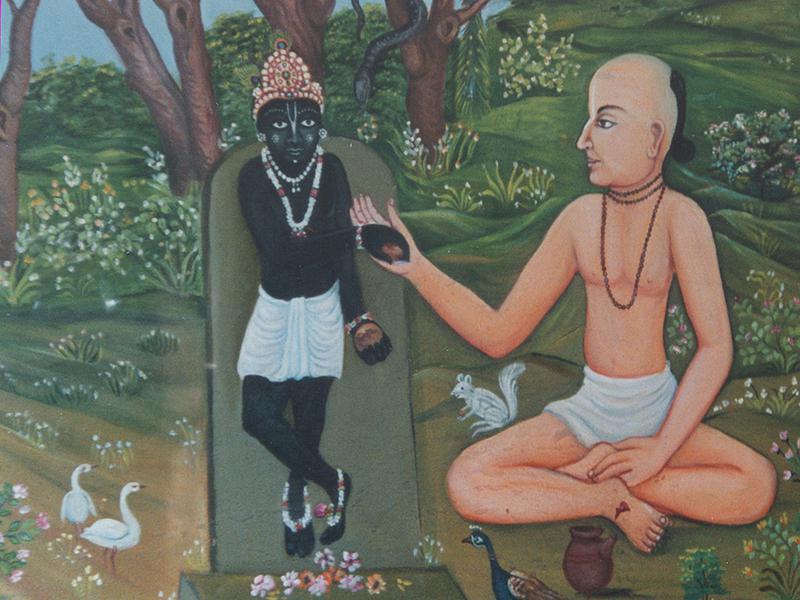
Devotion is the foundation
The Srimad Bhagavatam and the teachings of Sri Chaitanya Mahaprabhu emphasise that when the heart becomes genuinely absorbed in the service and remembrance of Krishna, the other divine qualities gradually begin to manifest naturally.
This is why external symbols alone cannot establish the spiritual stature of a person. Tilak, robes, beads and religious identity may have their place in Vaishnava practice, but they cannot substitute for compassion, humility, truthfulness, self-control, respect for others and freedom from envy.
The real test is character
A person may speak extensively about God, wear the external symbols of religious life and occupy a respected position, but if his conduct is marked by cruelty, arrogance, greed, hatred, exploitation or a constant desire for honour, the deeper purpose of Vaishnava life has not yet been realised.
Conversely, genuine devotion gradually transforms one’s dealings with the world. The devotee becomes more compassionate, more humble, more peaceful and more concerned with the welfare of others.
The essence of Vaishnava conduct
This teaching finds its most celebrated expression in Sri Chaitanya Mahaprabhu’s famous instruction:
“Trinad api sunichena taror api sahishnuna
Amanina manadena kirtaniyah sada Harih.”
“Being humbler than a blade of grass, more tolerant than a tree, offering respect to others without expecting respect for oneself, one should constantly chant the holy name of Hari.”
These few words contain the essence of Vaishnava character.
Humility means that one does not consider oneself superior to others.
Tolerance means that one can endure difficulties without immediately responding with anger or retaliation.
Respect for others means recognising the dignity of every living being.
And freedom from the demand for respect means that one’s spiritual life is not dependent upon applause, position, recognition or public honour.
Ultimately, the true Vaishnava is not identified by what he wears, but by how he lives.
The holy name on one’s lips must gradually become compassion in one’s heart, humility in one’s behaviour, truthfulness in one’s conduct and service in one’s actions.
Sri Chaitanya Mahaprabhu’s teaching therefore offers a profound standard for spiritual life: external identity may announce that one is a Vaishnava, but character demonstrates it.
The journey of becoming a true Vaishnava is the journey of transforming the heart; and when devotion to Krishna becomes genuine and deep, the twenty-six qualities of a devotee begin to shine naturally through one’s life.