Invasive Species and Policy Smoke Screens Choke Krishna’s Heartland
By Brij Khandelwal / Vrindavan Today News
April 28, 2026 : The spiritual landscape of Braj, once defined by the divine stories of Radha and Krishna and the vibrant songs of forest birds, is currently facing a silent ecological collapse. The Yamuna River and Keetham Lake, which should be symbols of life, have turned into stagnant mirrors reflecting a growing environmental dread. This decline isn’t the result of a sudden natural disaster; rather, it is the consequence of decades of human neglect and deceptive government policies that have prioritized paperwork over the health of the planet.
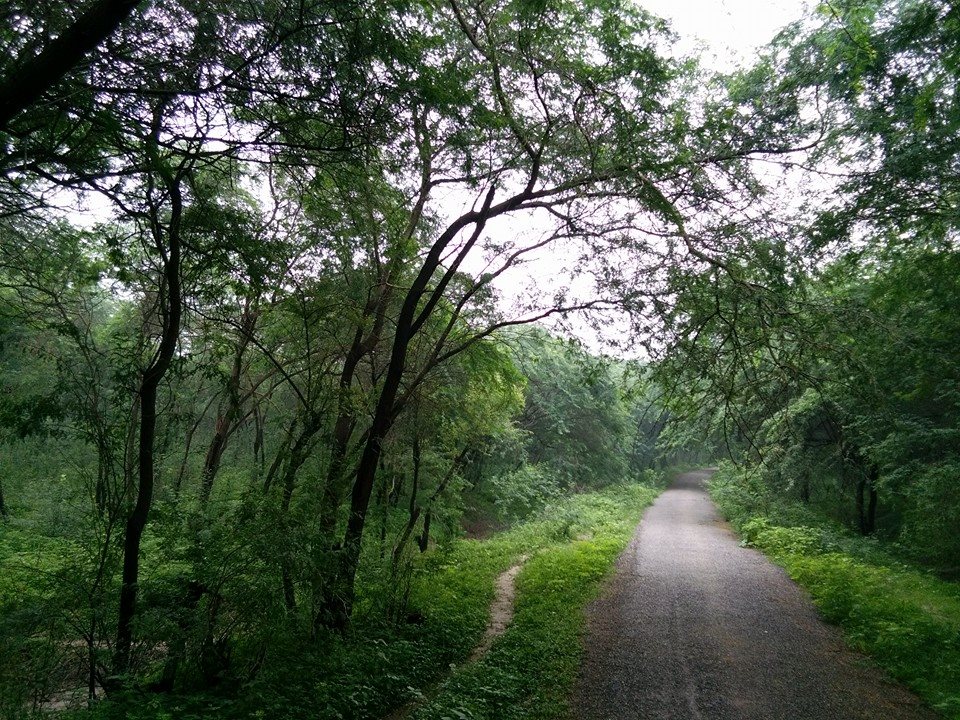
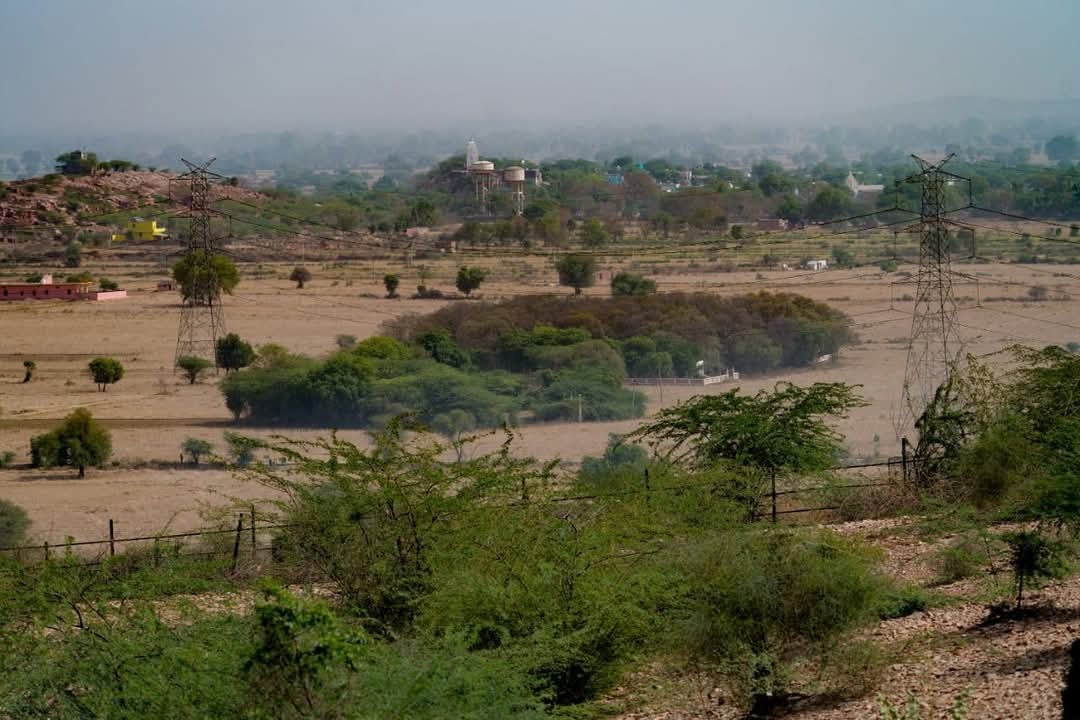
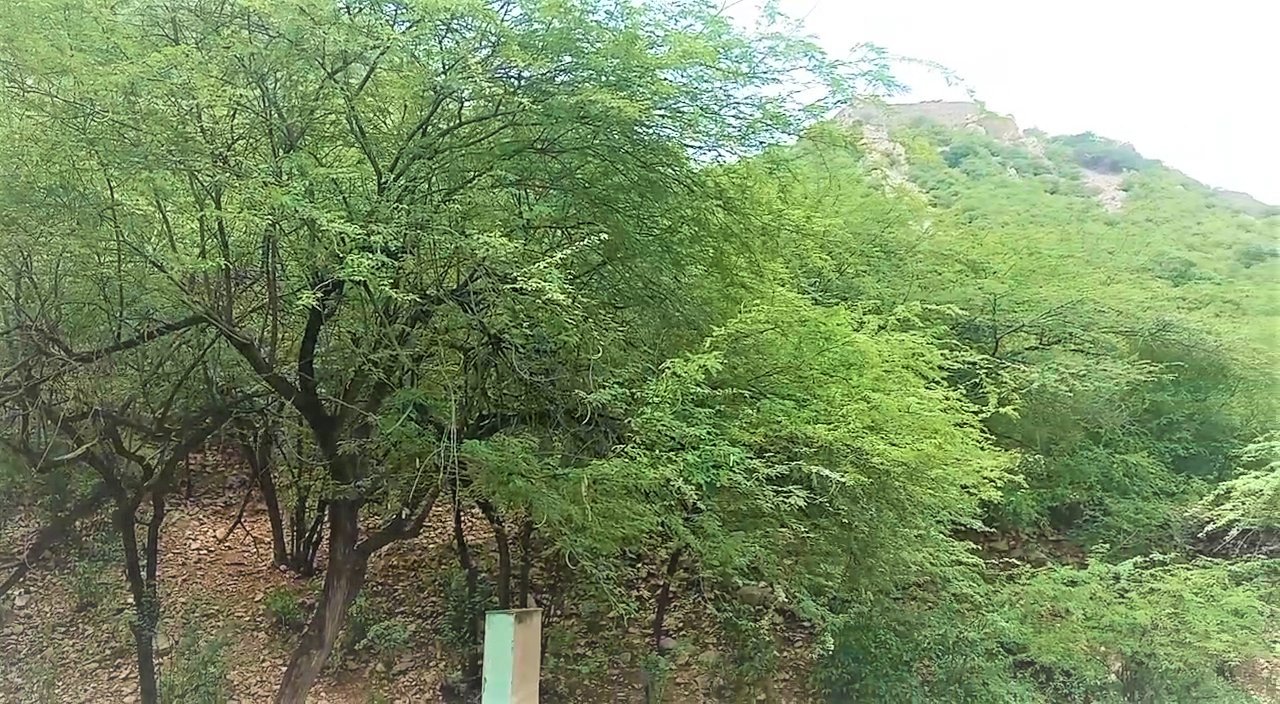
At the center of this crisis is a biological invader known as Vilayati Babool. While it might look like ordinary greenery from a distance, environmentalist Dr. Devashish Bhattacharya describes it as an “ecological terrorist.” In a recent court petition, he highlighted how this foreign species has been allowed to colonize protected wetlands while government officials remained idle. The tree is a massive drain on the environment, using its deep roots to suck up precious groundwater like an industrial pump. This leaves native plants to wither and die, effectively evicting the local birds and animals that rely on a diverse ecosystem. What was once a lush, layered forest has been replaced by a monotonous, thirsty wasteland.
This local disaster exposes a much larger national deception regarding how forests are managed in India. For over twenty years, the government has used a clever accounting trick to make the country look greener than it actually is. By redefining a “forest” to include almost any small patch of trees, including commercial timber farms and fruit orchards, officials have been able to claim that forest cover is growing. In reality, ancient, biodiverse forests are being cleared for highways and urban sprawl, only to be replaced on paper by plantations of Vilayati Babool or Eucalyptus. These replacement trees are essentially “cheap green paint”; they fulfill a statistical requirement on a spreadsheet but offer no real shade, no habitat for wildlife, and no way to recharge the drying rivers.

The consequences of this “green deception” are becoming impossible to ignore. As legal protections for “deemed forests” were stripped away in 2023, developers rushed in, further breaking the natural corridors that keep the climate stable. It is no coincidence that North India is now enduring record-breaking heatwaves and a cycle of extreme floods followed by bone-dry droughts. Without real forests to soak up rainwater and cool the air, the land is losing its ability to regulate itself.
Furthermore, the surge in tourism in Mathura and Vrindavan has turned a delicate sacred site into a crowded construction zone. To accommodate millions of visitors, hotels and infrastructure are eating away at the very nature people come to see. Dr. Bhattacharya’s plea for help is a call for basic scientific common sense: remove the invasive species, replant native trees, and establish independent oversight to ensure the work actually gets done. If the authorities continue to prioritize glossy progress reports over real environmental action, future generations will inherit a world of “phantom rivers” and “paper forests”, a landscape that looks green on a map but is functionally dead in reality.