Vrindavan Today | Jagannath Poddar
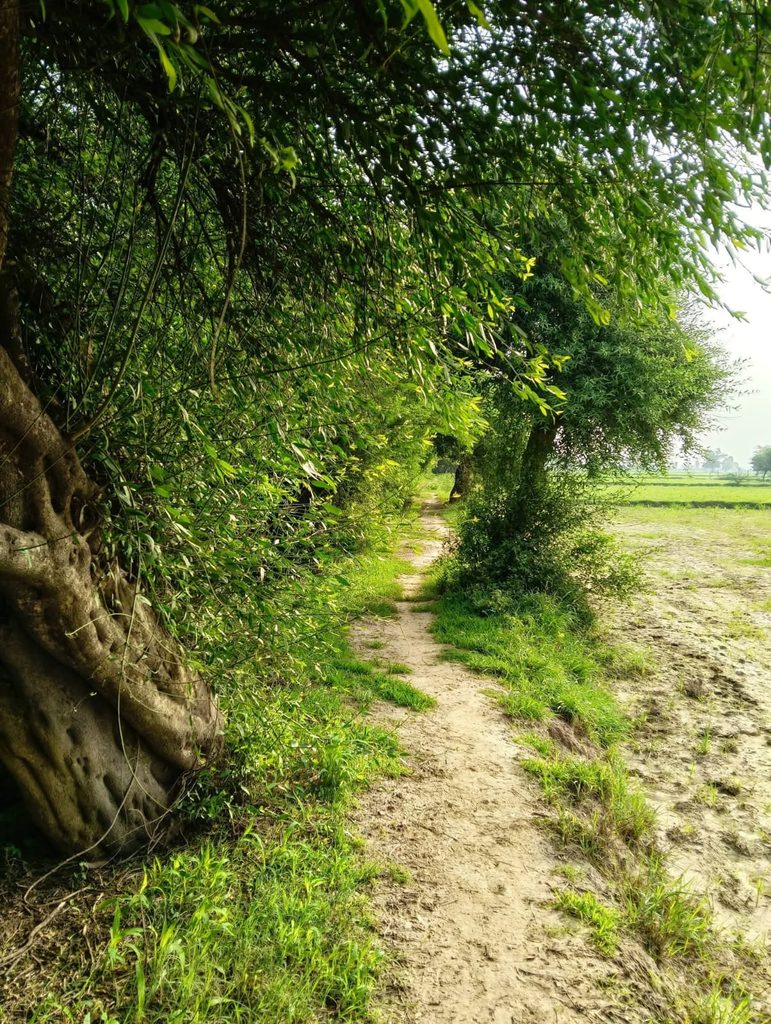
Braj has been a landscape of farms, forests, groves, ponds, grazing grounds and villages for centuries. The cultural identity of Braj has never been separated from its natural environment. Its agricultural fields, sacred trees, pasture lands and traditional water bodies together created the ecological foundation of this ancient spiritual region.
Braj is witnessing a rapid transformation in these days. Vast stretches of agricultural land are being converted into residential colonies, commercial complexes, farmhouses and other real estate developments. This expanding urban footprint is steadily reducing open spaces, fragmenting green cover and altering the traditional character of the sacred landscape.
Braj has historically not been a major industrial region. Large-scale industries have remained relatively limited, while agriculture, pilgrimage, traditional crafts, small businesses and services have supported the local economy. Today, however, a different trend is becoming increasingly visible. Real estate has emerged as one of the most active businesses in Braj, with a large number of people becoming involved in buying, selling, developing and marketing land and property.
The rapid expansion of real estate is transforming agricultural fields, open spaces and the green landscape around towns and villages. Land that once supported farming and contributed to Braj’s ecological character is increasingly being viewed primarily as a commercial asset.
If Braj’s economic future becomes overwhelmingly dependent on selling and developing land, what will happen to its agriculture, forests, water bodies, traditional landscape and cultural identity? Braj needs economic development, but development should create productive livelihoods and sustainable employment without consuming the very land and natural heritage on which the region’s future depends.
There is a need to encourage environmentally responsible industries, traditional crafts, agro-based enterprises, tourism-related livelihoods and other forms of sustainable economic activity so that Braj does not become an economy where the principal business is simply buying and selling its own land.
Agriculture has always been an important part of Braj’s rural economy. Wheat, millet, mustard, sugarcane and other crops, along with dairy and cattle-based livelihoods, have supported local communities for generations. Farmlands are simply not just economic assets; they are also ecological resources. They help recharge groundwater, absorb rainwater, support biodiversity and maintain a balance between nature and human settlements.
When fertile agricultural land is covered with concrete, this balance is disturbed. Open soil is replaced by roads, buildings and paved surfaces, reducing natural groundwater recharge and increasing surface runoff. The disappearance of fields also means the loss of habitats for birds, insects and native vegetation, as well as grazing spaces traditionally used by cattle.
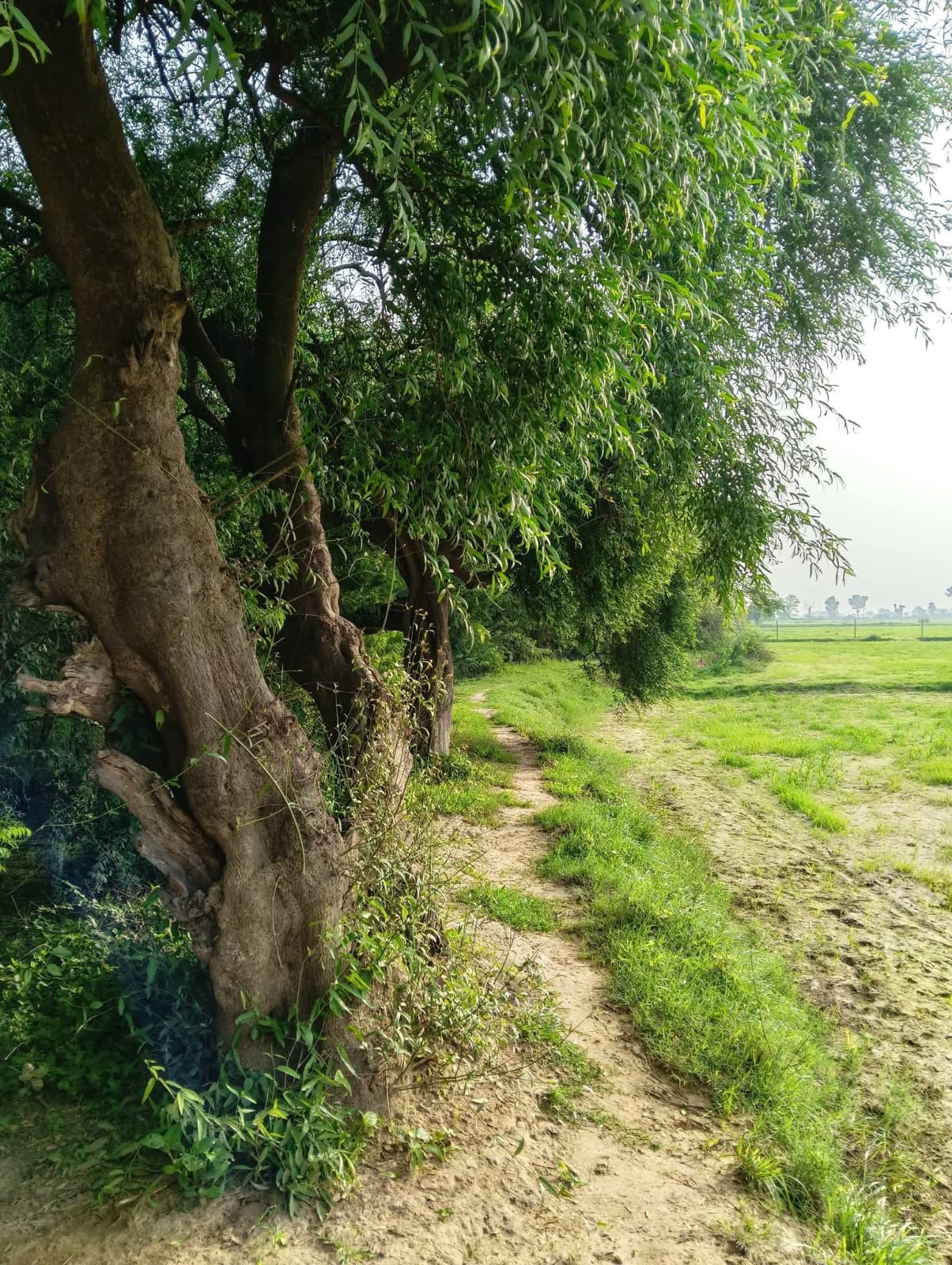
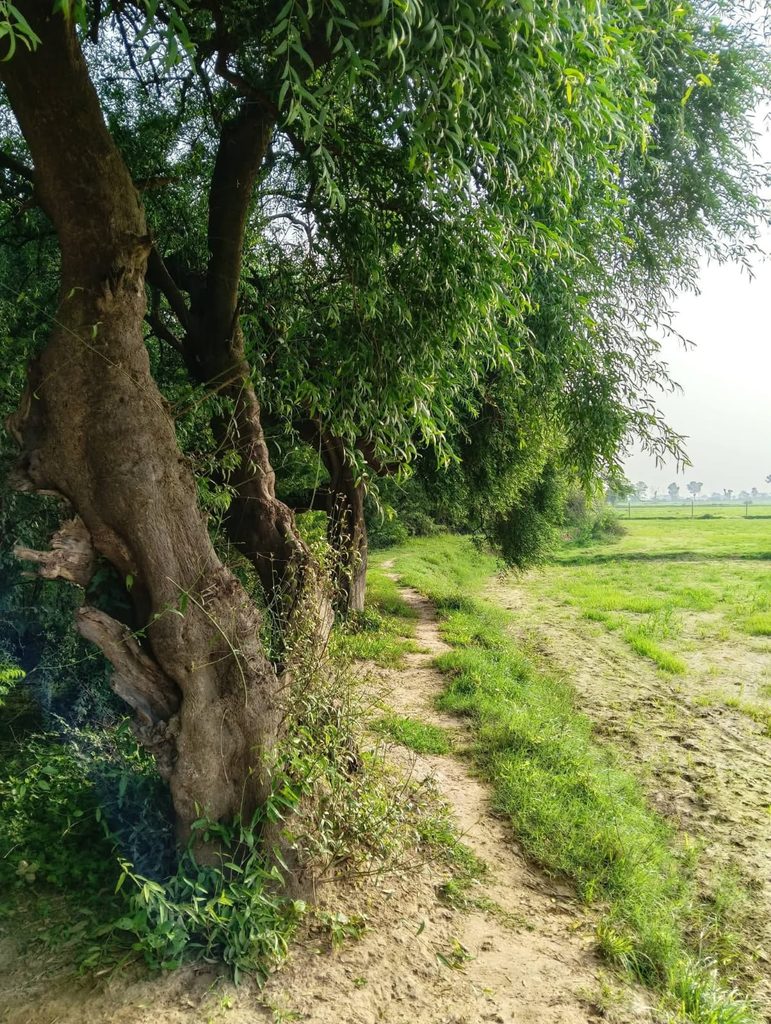
Equally concerning is the decline in tree cover. Traditional Braj was known for its sacred groves, orchards and avenues of native trees such as Kadamba, Tamal, Peepal, Banyan, Neem and Pakar. These trees are deeply connected with the spiritual traditions of Braj and also perform important ecological functions.
The spread of unplanned development often results in the removal of mature trees and fragmentation of green spaces. Small patches of vegetation that survive become isolated and vulnerable. Braj therefore risks becoming increasingly dependent on artificial landscaping while losing its original ecological character.
Voices for the Protection of Braj
Environmental and heritage workers have expressed concern over the changing landscape and called for greater protection of Braj’s natural resources.
Bhagwat Joshi from Barsana said, “Fertile agricultural land around Braj should not be treated as vacant land simply because it is available for construction. These fields are an important part of the ecological system of Braj and their indiscriminate conversion will have long-term consequences.”
Deepak Goswami, a priest from Vrindavan said, “The expanding towns and villages of Braj need properly planned green belts. Development should provide space for trees, open areas and ecological buffers instead of allowing every available piece of land to be covered with concrete.”
Anuj Sharma, an environmental enthusiast said, “The traditional grazing lands, village commons and sacred groves of Braj must be protected. They are not wastelands; they are part of the living cultural landscape and support biodiversity as well as the traditional relationship of Braj with cattle.”
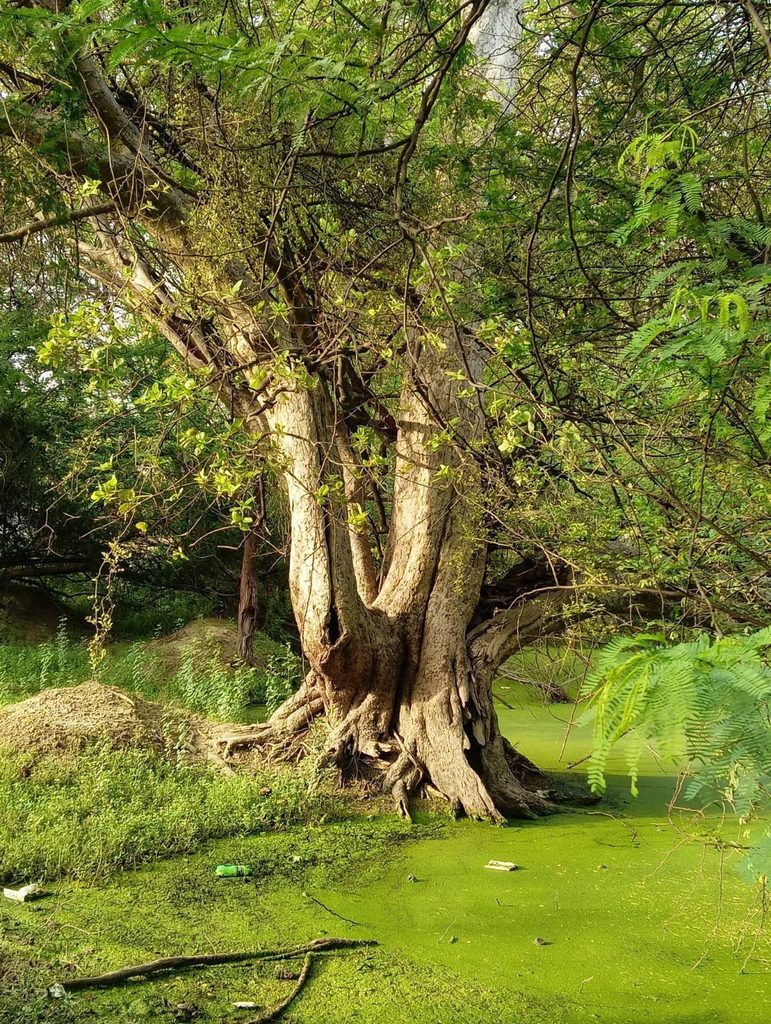
Manish Pareekh from Kamyavan’s Gopinath Mandir said, “The ponds, wetlands and natural drainage systems of Braj are essential ecological assets. They should be mapped, protected and restored rather than being treated as land available for construction.”
Gourav Aviral Shastri from Chhata said, “Braj needs more plantation of its native tree species such as Kadamba, Tamal, Peepal, Banyan, Neem and Pakar. The objective should not merely be to increase the number of trees but to restore the native ecological character of Braj.”
These concerns point towards a common need for development planning that recognises the ecological limitations and cultural significance of Braj.
Environmental assessments for major development projects should become more transparent and participatory. Local communities, environmental groups, heritage organisations and other stakeholders should have an opportunity to understand and respond to the ecological consequences of major land-use changes.
Braj Is More Than Its Temples
This issue is not just environmental; it is also cultural and spiritual.
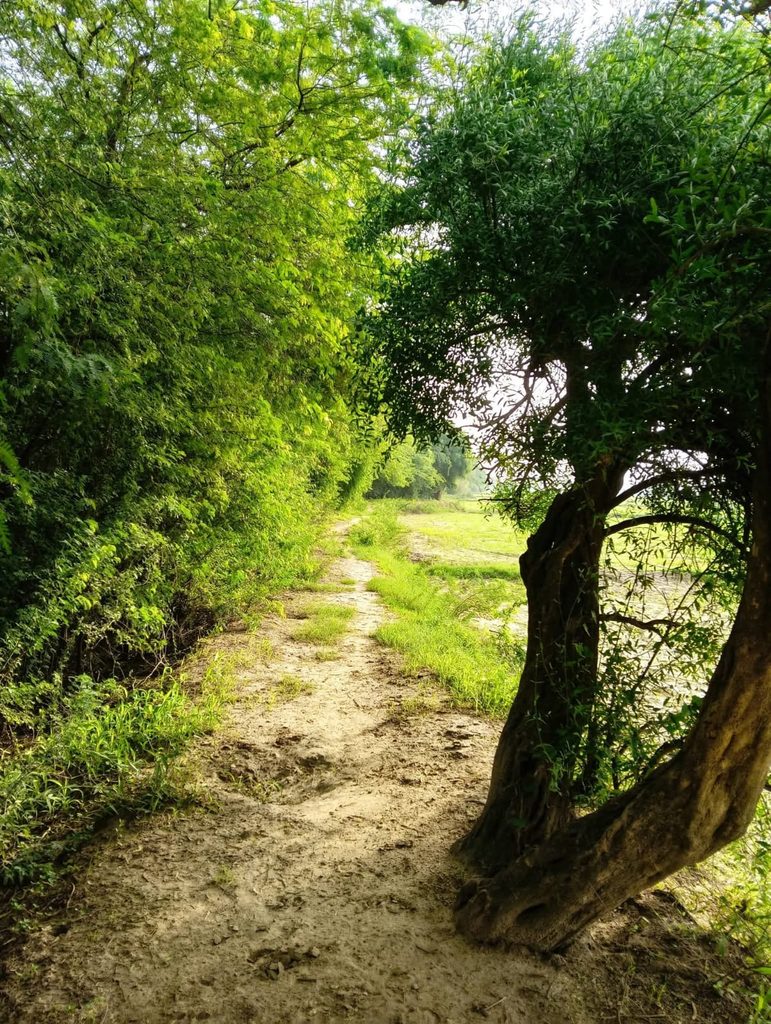
The essence of Braj lies not only in its temples and religious institutions but also in its forests, ponds, cattle, village pathways, groves and agricultural fields. The landscape itself is an integral part of the cultural memory associated with Shri Radha and Shri Krishna.
If these natural elements disappear beneath concrete, Braj risks losing an important part of its identity even if its temples continue to stand. The answer is not to stop all development. Braj will continue to grow, and its residents require housing, infrastructure, employment and public facilities. The challenge is to ensure that development does not come at the cost of the very landscape that makes Braj unique.
Prime agricultural land needs greater protection from indiscriminate conversion. Green belts can be maintained around towns and villages, while traditional grazing lands and sacred groves can be identified and conserved. Native Braj tree species should receive priority in plantation and ecological restoration programmes.
Similarly, ponds, wetlands and natural drainage systems should be mapped, protected and restored. Development planning should recognise these natural systems as essential infrastructure rather than as vacant spaces available for construction.
Braj needs a model of development that is environmentally responsible and sensitive to its cultural heritage. Real estate expansion cannot be allowed to become the defining force shaping the future of the region.
Braj is a living cultural landscape, not merely a destination for real estate expansion. Its fields, trees, ponds, groves, grazing lands and village landscapes are part of its identity.
The preservation of Braj’s agricultural land and green cover is therefore not only an environmental necessity; it is a responsibility towards the cultural, spiritual and ecological heritage of this sacred region.
The future of Braj depends on achieving a harmonious balance between development and nature, so that future generations inherit a Braj that still retains its farms, trees, water bodies and natural beauty; and where the land associated with Shri Radha and Krishna continues to remain green, vibrant and life-sustaining.